
Savor the Sight: Where Flavor Meets Visual Temptation

👁️🗨️ Savor the Sight: Where Flavor Begins with the Eyes
Before the first bite, there’s a moment of anticipation—a visual spark that awakens appetite and sets the tone for everything that follows. From vibrant colors to artful composition, beautifully presented food doesn’t just look good—it tastes better, feels richer, and turns every meal into a multisensory experience. Because when food is crafted to please the eyes, it invites us to slow down, admire, and savor every detail.
👁️🗨️ Savor the Sight: How Visuals Transform Food from Fuel to Art
Food is more than fuel—it’s a multisensory experience that begins long before the first bite. The aroma may stir memory, the texture may surprise the tongue, but the journey starts with the eyes. The way a dish looks sets the tone for everything that follows. It’s the first impression, the silent invitation, the visual promise of flavor, care, and creativity.
“Savor the Sight” isn’t just a philosophy—it’s a design principle. It’s the reason chefs obsess over plating, food stylists chase perfect angles, and home cooks feel pride when a meal looks as good as it tastes. Because when food is beautiful, it’s not just eaten—it’s admired, anticipated, and remembered.
🧠 The Psychology of Visual Appetite
Our brains are wired to judge food by its appearance. Long before modern dining, humans relied on visual cues to determine what was safe, fresh, and nourishing. Today, those instincts remain. Bright colors signal vitality. Symmetry suggests care. Texture hints at complexity. A dish that looks vibrant and intentional primes us to enjoy it more deeply.
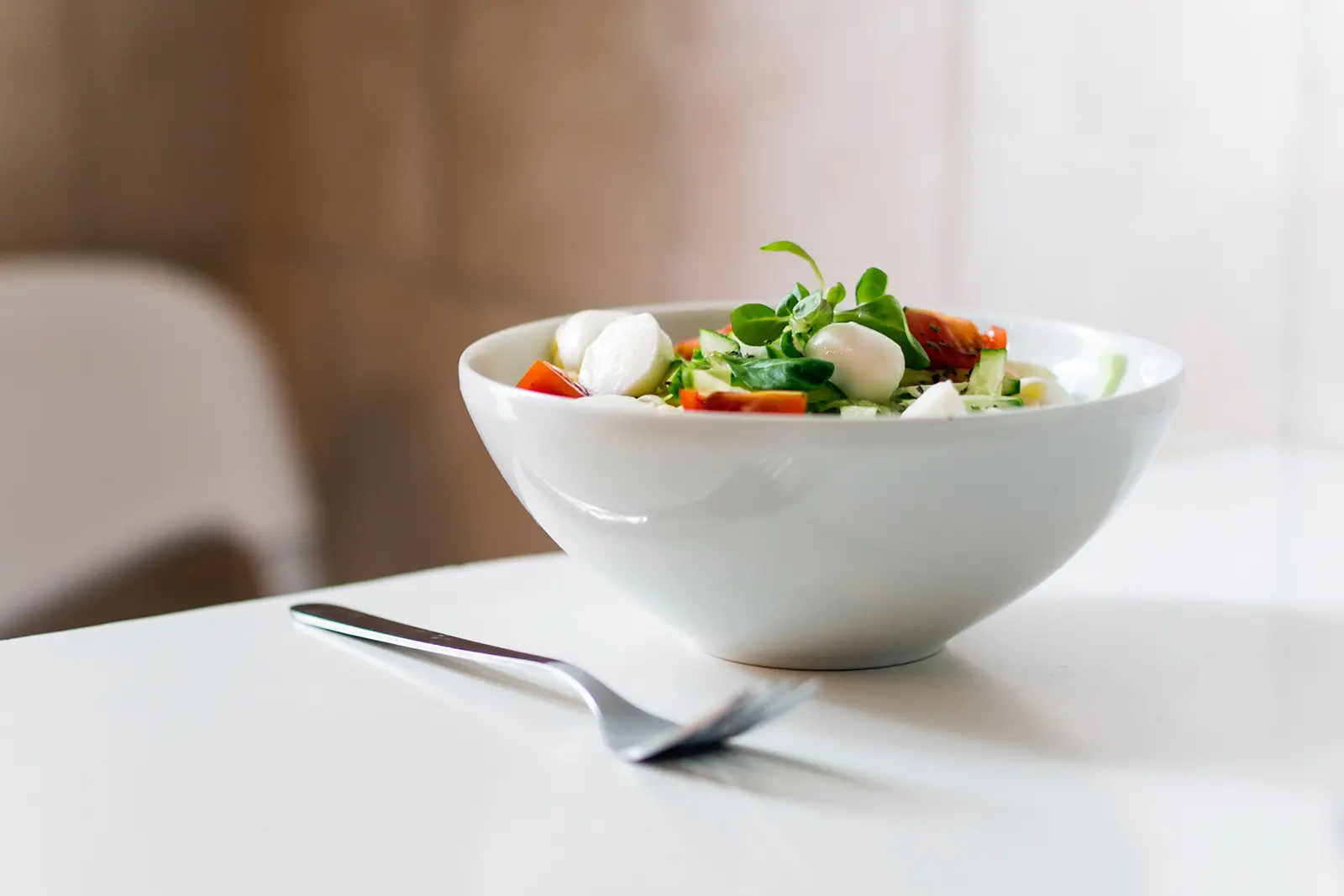
Whether it’s a stack of golden pancakes glistening with syrup or a jewel-toned salad bursting with contrast, visual appeal heightens hunger and emotion. It’s why we crave what we see—and why presentation can elevate even the simplest ingredients into something extraordinary.
🎨 How Sight Shapes Flavor
The connection between visuals and taste isn’t just poetic—it’s scientific. Studies show that food arranged artfully is perceived as more flavorful, even when the ingredients are identical. This is why fine dining chefs spend as much time plating as they do cooking. The way food looks influences how we experience it.
Here’s how sight enhances taste:
🌈 Color Psychology
Colors trigger expectations. Reds and oranges suggest sweetness or spice. Greens evoke freshness. Earth tones hint at warmth and comfort. A dish with diverse, balanced colors feels more complete—and often tastes better because we expect it to.
🧵 Texture as Visual Cue
Contrast in texture—crispy, creamy, flaky, smooth—adds excitement. A crunchy topping on a velvety soup or a golden crust on a soft pastry tells a story before the first bite. Our eyes prepare our palate.
📐 Composition and Flow
Plates with balance—whether symmetrical or artfully asymmetrical—feel more inviting. Even a humble bowl of pasta becomes luxurious when twirled into a nest and crowned with herbs. Organization signals intention, and intention enhances perception.
🖼️ Making Everyday Meals Look Irresistible
You don’t need a culinary degree to make food visually stunning. With a few simple shifts, any meal can become edible art.
Use Fresh Ingredients: Bright colors and crisp textures naturally stand out.
Garnish Thoughtfully: A sprinkle of herbs, a drizzle of sauce, or a dash of spice adds contrast and character.
Choose the Right Plate: White plates offer a clean canvas. Dark tones create drama. Shape and size matter—don’t crowd, don’t isolate.
Play with Height and Layers: Stack, fan, or nest components to create dimension.
Mind the Negative Space: Let the plate breathe. Empty space adds elegance.
Clean the Edges: A quick wipe transforms a dish from casual to composed.
These small choices turn routine into ritual. They invite appreciation. They make meals feel special even on a Tuesday night.
🍽️ When Visuals Meet Flavor: The Balance That Matters
Presentation should never overshadow taste. A dish that looks stunning but lacks flavor is a missed opportunity. The goal is harmony—where visuals enhance the eating experience, not distract from it.
Great food is a conversation between sight and flavor. It’s a duet, not a solo. When both are in sync, the result is unforgettable.
🌍 Cultural Perspectives on Food as Art
Across cultures, food presentation carries meaning. In Japan, kaiseki meals are plated to reflect seasonality and emotion. In France, plating is precision. In India, vibrant colors and layered textures reflect abundance and celebration. Even street food—wrapped, stacked, folded—tells a visual story.
Food is identity. Presentation is language. And every plate is a dialect of care.
🧠 Final Thought: The Eyes Eat First, But the Heart Follows
Savoring the sight of food isn’t about extravagance—it’s about honoring the effort, creativity, and emotion behind every dish. It’s about turning ordinary moments into extraordinary ones. When we take the time to make meals visually appealing, we elevate the experience—for ourselves and for others.
So next time you cook, plate with intention. Admire the artistry. Celebrate the color. Because food isn’t just nourishment—it’s storytelling, memory, and joy.

You must be logged in to post a comment.