👅 The Rule Every Chef Lives By
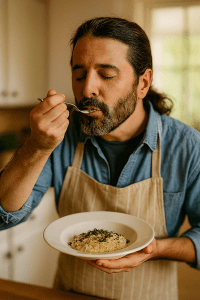
Great cooking isn’t about following instructions word-for-word—it’s about adjustments. The only way to know what a dish needs is to taste along the way. Chefs swear by this habit, and it’s the difference between food that’s fine and food that’s unforgettable.
👅 Taste Early, Taste Often: The Golden Rule of Flavor Control
By The Editorial Team at Home Chefs United Newswire
September 25, 2025
Chefs don’t leave flavor to chance. They taste soups as they simmer, sauces as they reduce, even salads before they’re dressed. Tasting early and often isn’t fussiness—it’s control. It’s the habit that turns average meals into masterful ones.
👅 Why Constant Tasting Matters
Cooking is transformation. A raw onion becomes sweet when caramelized, a stock deepens as it reduces, and spices bloom in heat. If you only taste at the very end, you’re judging the finale without knowing the rehearsal.
Early tasting shows you if seasoning is missing from the start.
Midway tasting reveals shifts in texture, acidity, and spice.
Final tasting lets you fine-tune balance before serving.
Think of it like steering a ship—you don’t wait until the harbor to check if you’re off course.
🍋 The Flavor Toolbox
Tasting isn’t just eating. It’s analyzing. When chefs taste, they’re running through a mental checklist:
Salt: Does the dish have clarity, or does it taste flat?
Acid: Does it need brightness? Lemon, vinegar, or wine cut through heaviness.
Fat: Is it too sharp? Butter or olive oil soften and enrich.
Heat: Could a touch of chili or pepper wake it up?
Balancing these four levers—salt, acid, fat, and heat—is how you sculpt flavor.
🥘 How Chefs Train Palates
In professional kitchens, spoons are everywhere. Line cooks dip constantly—not for greed, but for quality control. A sauce is tasted a dozen times before it ever hits the plate.
This habit is drilled in training. A chef might bark, “What does it need?” forcing a cook to diagnose, not just slurp. Over time, palates sharpen. They start hearing the dish talk back.
At home, most cooks taste once—when they sit down at the table. By then, the chance to adjust is gone.
🍷 Rescue Stories from the Line
I once watched a chef save a bland mushroom risotto seconds before service. He tasted, frowned, then splashed in lemon juice. Suddenly, the entire dish brightened. Guests thought it was genius. Really, it was tasting at the right time.
Another time, a braise was over-salted. The fix? Tasting midway revealed the issue. The chef added potatoes to absorb excess salt, pulled them out before serving, and balanced the dish. Without that midway taste, it would’ve been ruined.
📖 Habits for Home Cooks
You don’t need a chef’s palate—you need their system. Build these habits:
Keep a clean spoon at hand. Or better—several. No double-dipping.
Taste in small bites. Too much masks nuance.
Taste at set checkpoints. Early, middle, final.
Ask the right question. Don’t just think “good/bad.” Ask: what’s missing?
Adjust gently. Add salt a pinch at a time, acid by drops, fat by tablespoons.
👨🍳 Tasting as a Teaching Tool
Parents often shy away from letting kids near hot pans, but tasting is the safest way to teach them about cooking. Have them taste a soup before and after seasoning. Ask what changed. It builds their palate early, and it makes them feel part of the process.
🧂 The Psychology of Tasting
Here’s the hidden benefit: tasting makes you mindful. Instead of rushing through steps, you pause, analyze, adjust. Cooking stops being mechanical and becomes creative. You’re not following directions—you’re making decisions.
That shift builds confidence. And confidence builds better cooks.
😂 The Takeaway
Flavor control is power. Recipes give you structure, but your palate gives you ownership. Taste early, taste often, and you’ll never again wonder why your food tastes “flat.” You’ll know—and you’ll fix it.
Challenge: This week, pick one dish and force yourself to taste at three checkpoints. Write down what you noticed and what you changed. It’s the fastest way to level up in the kitchen.

Steam, Don’t Scream: The Post-Cook Grain Ritual
🍚 Why Patience Makes Perfect Grains Rice, quinoa, couscous—grains aren’t finished when the timer dings. Their last stage is off the heat, under a lid. This quiet ritual is what separates gummy mush from fluffy perfection. 🍚 Steam, Don’t Scream: The Post-Cook Grain Ritual By The Editorial Team at Home Chefs United NewswireSeptember 25, 2025

Taste Early, Taste Often: The Golden Rule of Flavor Control
👅 The Rule Every Chef Lives By Great cooking isn’t about following instructions word-for-word—it’s about adjustments. The only way to know what a dish needs is to taste along the way. Chefs swear by this habit, and it’s the difference between food that’s fine and food that’s unforgettable. 👅 Taste Early, Taste Often: The Golden
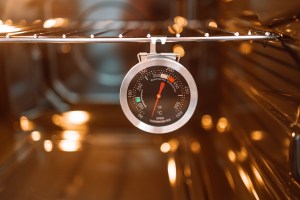
Room Temperature Rules: The Secret to Better Baking and Searing
. 🧈 Why Temperature Changes Everything From cookies that bake evenly to steaks that sear with confidence, starting at room temperature is the simplest rule that separates home cooks from professionals. It’s not fussy—it’s science. 🧈 Room Temperature Rules: The Secret to Better Baking and Searing By The Editorial Team at Home Chefs United NewswireSeptember

How to Read a Recipe Like a Pro (Before You Cook)
🥕 Stop Surprises Before They Start Most cooking disasters don’t come from bad pans or weak seasoning—they come from us jumping into a recipe blind. Pros read recipes like pilots scan flight plans. Here’s how to do the same at home. 🥕 The Power of Mise en Place By The Editorial Team at Home Chefs

The Power of Mise en Place: Why Chefs Swear by It
🥕 The Secret Weapon Behind Every Great Kitchen Mise en place—“everything in its place”—isn’t just chef lingo. It’s a mindset. When your kitchen is organized before you turn on the stove, cooking stops being stressful and starts being enjoyable. 🥕 The Power of Mise en Place By The Editorial Team at Home Chefs United NewswireSeptember
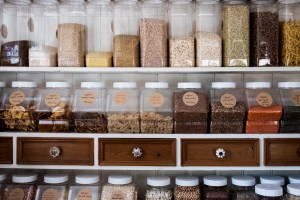
Pantry Confessions: What’s Lurking Behind the Door
🥫 What Your Pantry Really Says About You Your pantry isn’t just food storage—it’s a personality test. From quinoa you never cooked to the hot sauces you bragged about but never touched, every item tells a story. 🥣 Your pantry is less about what you eat and more about what you intend to eat. By
You must be logged in to post a comment.