
Weight-Loss Drugs Changing the Food Industry
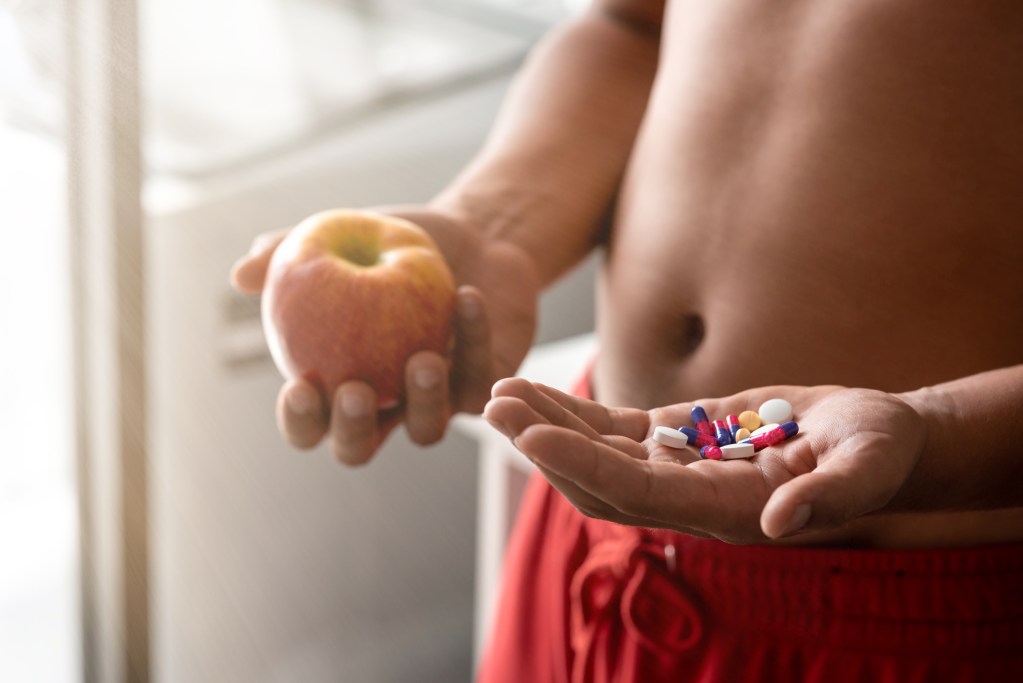
💊🍽️ Appetite Disrupted: How Weight-Loss Drugs Are Reshaping the Food Industry
The rise of medications like Ozempic and Wegovy is triggering a seismic shift in how—and what—people eat. As appetite suppression becomes a pharmaceutical feature, the food industry is being forced to rethink everything from product development to marketing strategy. High-calorie indulgences are losing ground, while nutrient-dense, protein-rich, and functional foods are gaining traction. For brands willing to pivot, this isn’t just a challenge—it’s a generational opportunity to innovate, adapt, and lead in a newly health-conscious market.
Weight-loss drugs are reshaping consumer diets, driving demand for healthier, nutrient-rich products while presenting challenges and opportunities for food companies.
🥗 The Rise of Precision Nutrition
As weight-loss drugs become more mainstream, the demand for precision nutrition is exploding. Consumers want foods that align with their new biological rhythms—meals that satisfy without overwhelming, snacks that nourish without spiking blood sugar, and ingredients that support satiety and gut health.
This has triggered a wave of innovation:
- High-protein meal kits tailored to GLP-1 users
- Low-glycemic snacks with functional ingredients like fiber, magnesium, and adaptogens
- Smart beverages fortified with electrolytes, vitamins, and appetite-regulating compounds
- Plant-based options that deliver volume without excess calories
Food companies that once competed on flavor alone are now racing to meet the demands of a pharmacologically reshaped consumer.
🧬 Functional Foods Go Mainstream
The functional food category—once niche—is now center stage. Products that promote satiety, gut health, and metabolic balance are gaining traction among weight-loss drug users and health-conscious consumers alike. Think:
- Probiotic yogurts that support digestion
- Fiber-rich bars that extend fullness
- Protein-enhanced soups and smoothies
- Satiety-boosting ingredients like glucomannan, psyllium husk, and resistant starch
These aren’t just wellness trends—they’re strategic pivots. Brands that can deliver clinically relevant benefits without sacrificing taste or convenience are poised to dominate.
🤝 Strategic Partnerships: Food Meets Pharma
The smartest players aren’t just reformulating—they’re collaborating. Expect to see:
- Co-branded products between food companies and pharmaceutical firms
- Dietitian-endorsed meal plans tailored to GLP-1 users
- Retail partnerships that bundle medications with compatible food options
- Healthcare integrations where food becomes part of the treatment protocol
This convergence of food and medicine is creating a new category: therapeutic nutrition. And it’s opening doors for brands that can speak both the language of flavor and the language of science.
📉 The Decline of Indulgence—But Not Its Death
Let’s be clear: indulgent foods aren’t going extinct. But their role is changing. Consumers on weight-loss drugs may still crave treats—but they want smaller portions, cleaner labels, and less guilt. This means:
- Miniaturized desserts
- Portion-controlled packaging
- “Better-for-you” versions of classic comfort foods
- Transparent labeling and honest marketing
Brands that can balance indulgence with integrity will retain loyalty—even in a shrinking appetite economy.
⚠️ Pitfalls to Avoid
In the rush to pivot, food companies must tread carefully:
- Don’t alienate core customers by abandoning indulgence entirely
- Don’t overpromise health benefits without clinical backing
- Don’t treat GLP-1 users as a monolith—dietary needs vary widely
- Don’t ignore the emotional side of eating—food is still culture, comfort, and connection
Transparency, empathy, and evidence-based innovation will be the pillars of trust in this new era.
📈 The Opportunity Ahead
This isn’t just a challenge—it’s a generational opportunity. The rise of weight-loss drugs is catalyzing a shift toward intentional eating, functional nutrition, and personalized food experiences. Companies that embrace this shift can:
- Launch new product lines
- Expand into health retail and clinical partnerships
- Build loyalty with a growing segment of health-focused consumers
- Future-proof their brand against the next wave of wellness disruption
🧠 Final Thought: Adapt or Be Eaten
The food industry is no longer just about taste—it’s about biocompatibility. As weight-loss drugs reshape the physiology of millions, the companies that evolve will thrive. Those that cling to old models will fade. The future belongs to brands that understand the new consumer: less hungry, more intentional, and ready to eat with purpose.



You must be logged in to post a comment.