

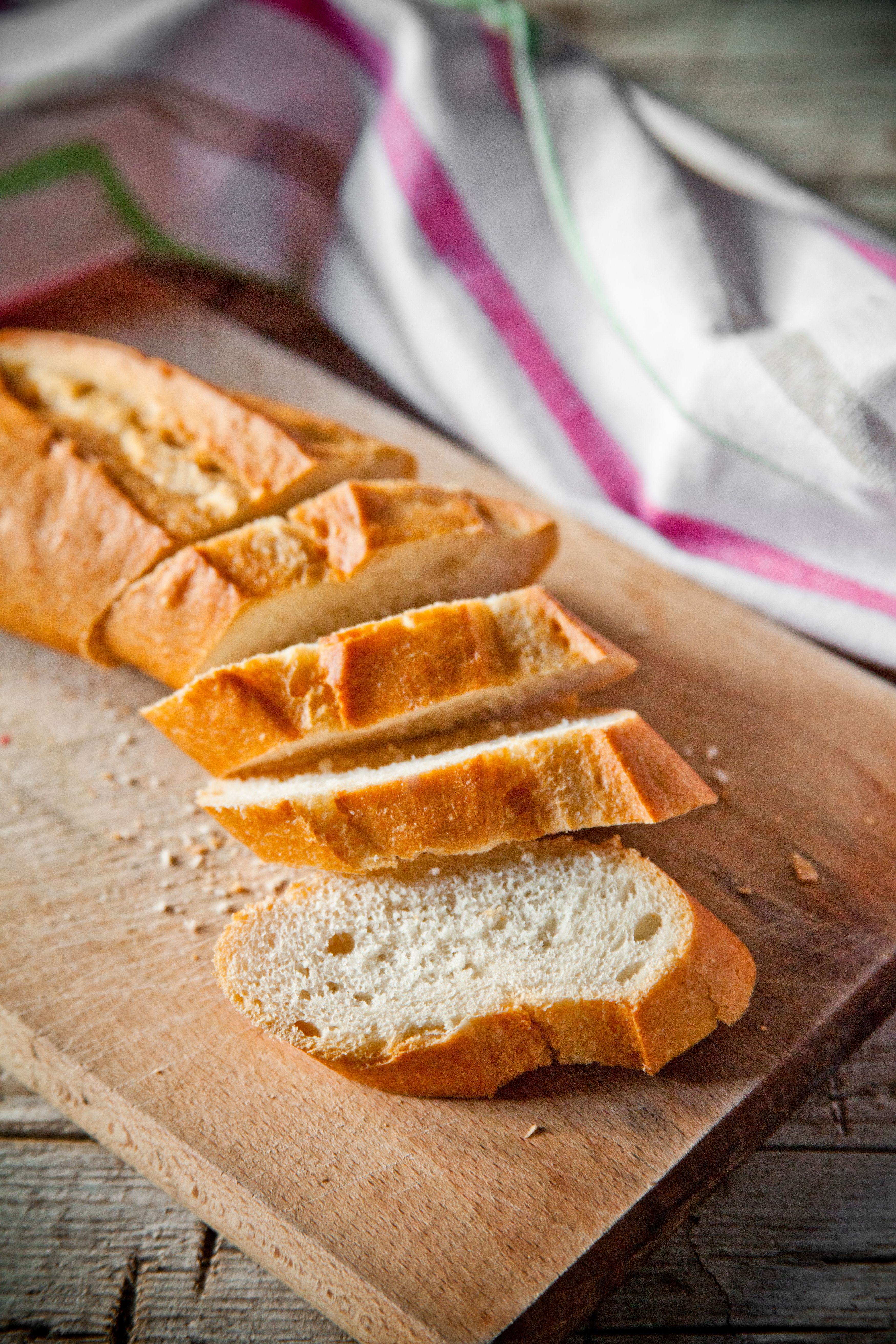

French bread, known for its crispy crust and soft interior, is a classic and beloved staple in French cuisine. This Homemade French Bread Recipe provides a step-by-step guide to creating delicious loaves of French bread right in your own kitchen. With simple ingredients and traditional techniques, you can enjoy the aroma and taste of freshly baked bread that is perfect for sandwiches, toast, or simply enjoyed on its own. Let’s delve into the history, origin, and cultural significance of French bread, followed by an exploration of the unique ingredients, flavors, and cooking techniques that make this recipe a timeless favorite.
History and Origin
French bread, or “pain français,” holds a special place in French culinary heritage. Dating back to the 18th century, the baguette, a long and thin loaf of French bread, became a symbol of French culture and tradition. The French take great pride in their bread-making skills, with numerous bakeries, or “boulangeries,” scattered throughout the country. The baguette itself has a rich history, evolving from earlier forms of French bread like the “pain de campagne” or country bread. French bread is not just a food item; it represents a way of life, a daily ritual for many French families who visit their local bakery to pick up a fresh loaf. The art of making French bread has been passed down through generations, with each baker adding their unique touch to the process.
Unique Ingredients and Flavors
The key ingredients in French bread are simple: flour, water, yeast, salt, and sometimes a touch of sugar for flavor. What sets French bread apart is the quality of these ingredients and the technique used to bring them together. The high-protein flour used in French bread gives it a chewy texture and a well-developed gluten structure, resulting in the characteristic airy holes in the crumb. The addition of yeast provides the necessary leavening agent for the bread to rise, while salt enhances the flavor and helps control the fermentation process. The sugar helps feed the yeast, allowing it to activate and produce carbon dioxide gas, which creates the bread’s light and airy texture.
Traditional Cooking Techniques
The process of making French bread involves a series of steps that require patience and attention to detail. Mixing the warm water, yeast, and sugar initiates the fermentation process, allowing the yeast to activate and begin producing bubbles of carbon dioxide. Kneading the dough helps develop the gluten strands, giving the bread its structure and elasticity. Allowing the dough to rest and rise multiple times enhances the flavor and texture of the bread. Shaping the dough into loaves and scoring the tops not only creates an aesthetically pleasing appearance but also helps the bread expand evenly during baking. The final step of baking the loaves at a high temperature gives French bread its signature crispy crust and soft interior.
In conclusion, French bread is more than just a type of bread; it embodies the artistry, tradition, and passion of French baking. By following this Homemade French Bread Recipe, you can experience the joy of creating your own fresh loaves of French bread at home. The aroma of freshly baked bread filling your kitchen, the satisfaction of slicing into a warm loaf, and the simple pleasure of enjoying a piece of crusty French bread are all part of the magic of this timeless recipe. Embrace the tradition of French bread-making and savor the delicious results of your labor.
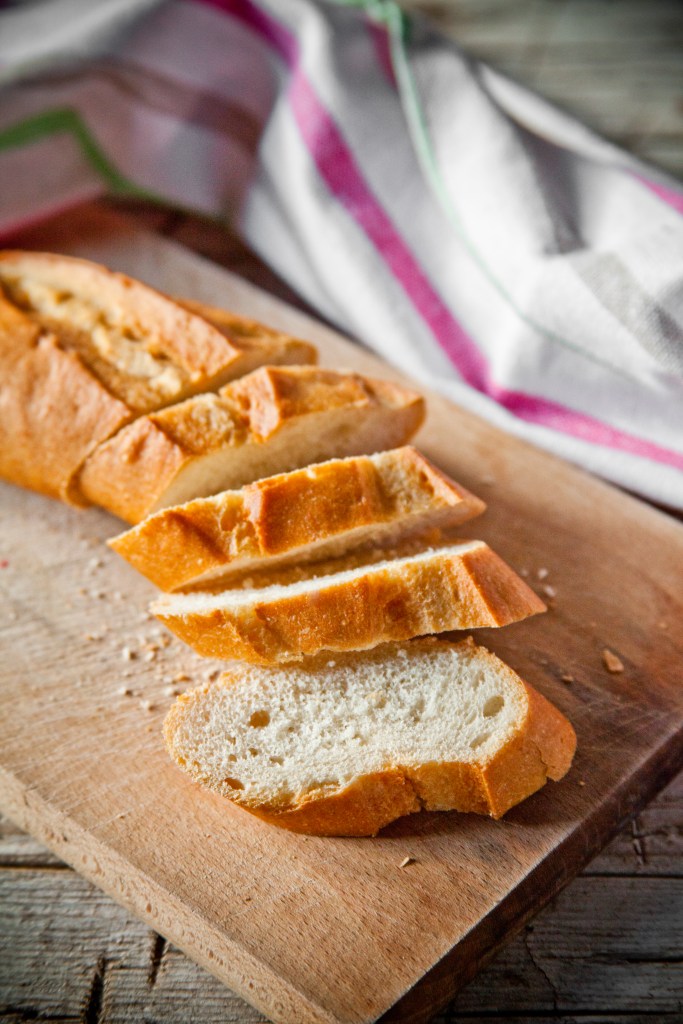
Homemade French Bread Recipe
Description
This Homemade French Bread Recipe yields two loaves of golden, crusty bread with a soft interior. Perfect for sandwiches, dipping in soups, or enjoying on its own.
Ingredients
French Bread Dough
Finishing Touches
Instructions
Dough Preparation
-
Combine Yeast Mixture
In a small bowl, combine the warm water, yeast, and sugar. Let sit for 5 minutes, or until foamy.
-
Mix Flour and Salt
In a stand mixer or large mixing bowl, stir together 2 cups of flour and salt.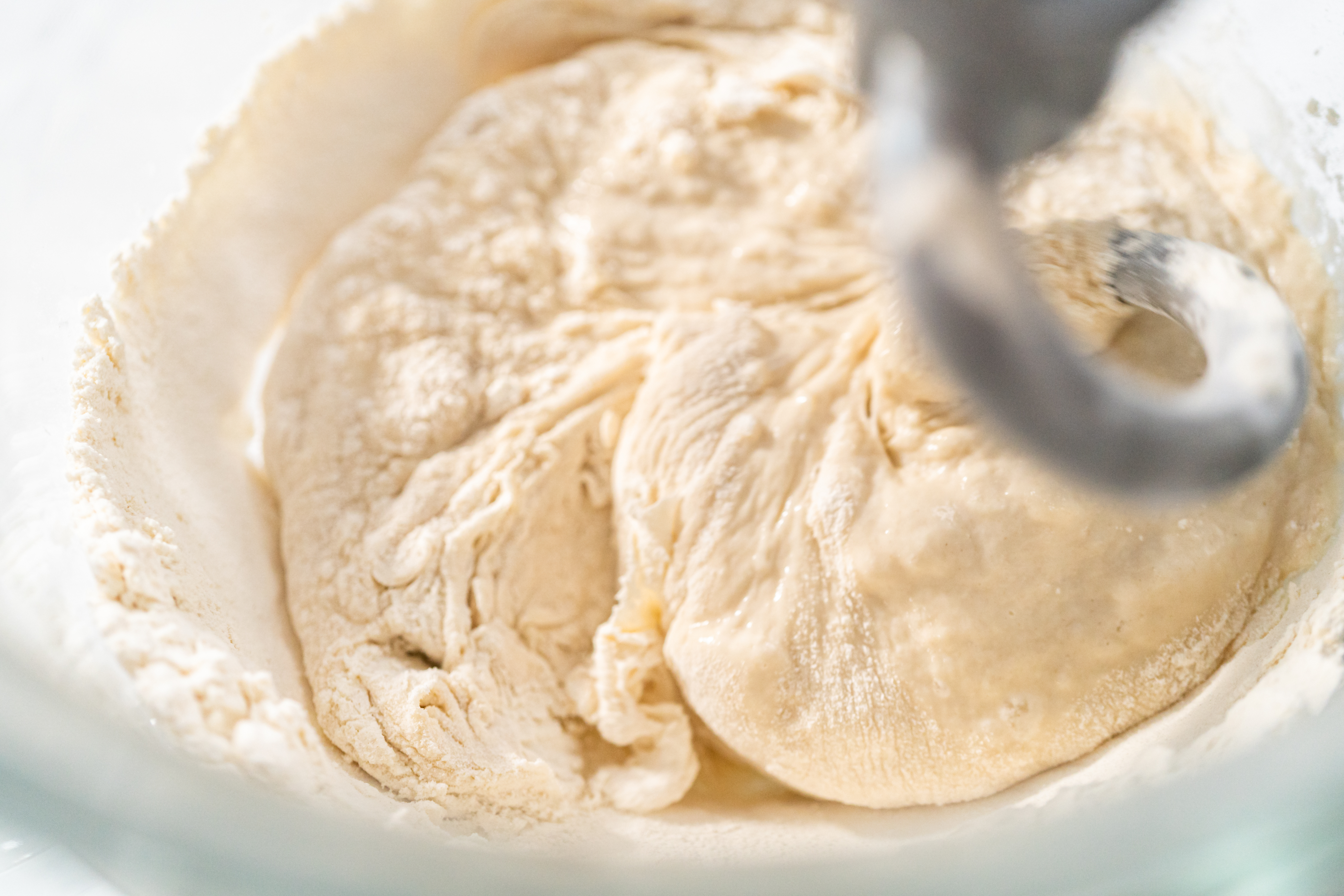
-
Incorporate Yeast Mixture
Stir in the yeast mixture on medium-low speed or by hand. Gradually knead in 1/2 cup of the remaining flour until the dough is smooth but not sticky. Add more flour as needed.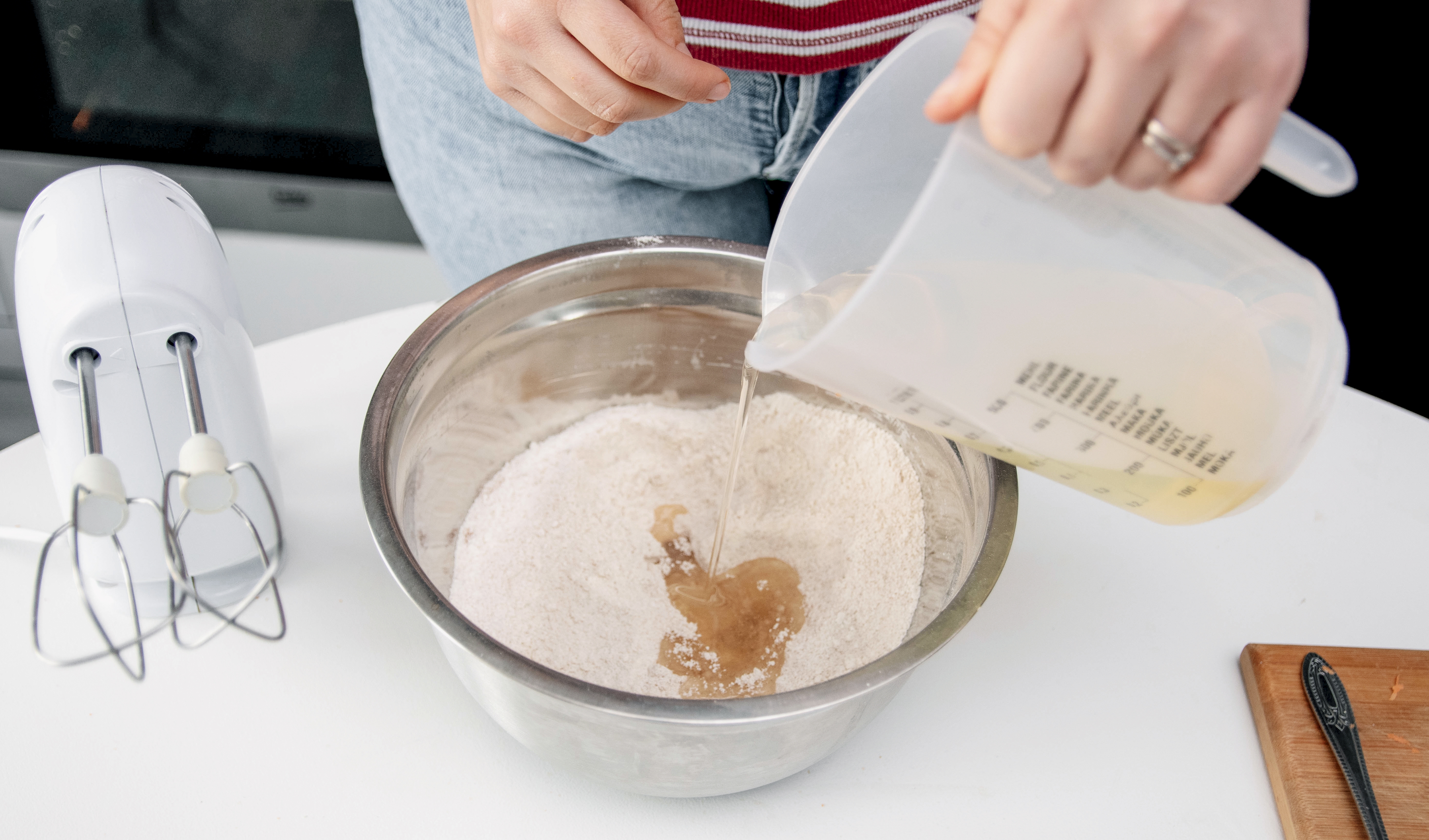
-
Rest the Dough
Rub olive oil around the dough ball, cover the bowl with a towel, and let it rest for 15 to 30 minutes. Optionally, let it rise for up to 1 hour.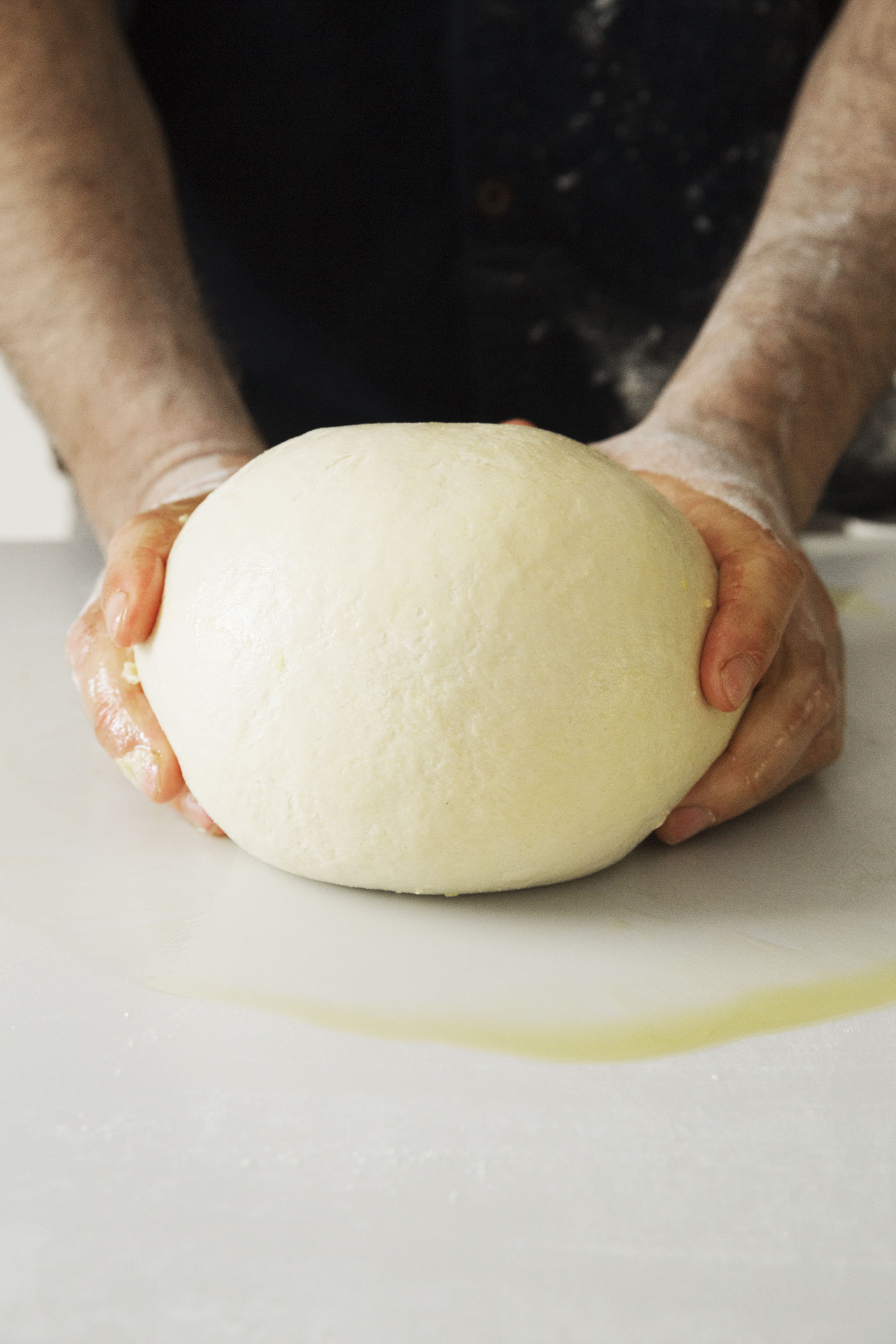
Shaping and Baking
-
Shape the Dough
Turn the dough onto a floured surface, divide it in half, and roll one half into a 15-inch rectangle. Roll the dough into a cylinder, pinch the seams closed, round the edges, and place on a baking sheet. Repeat with the other half.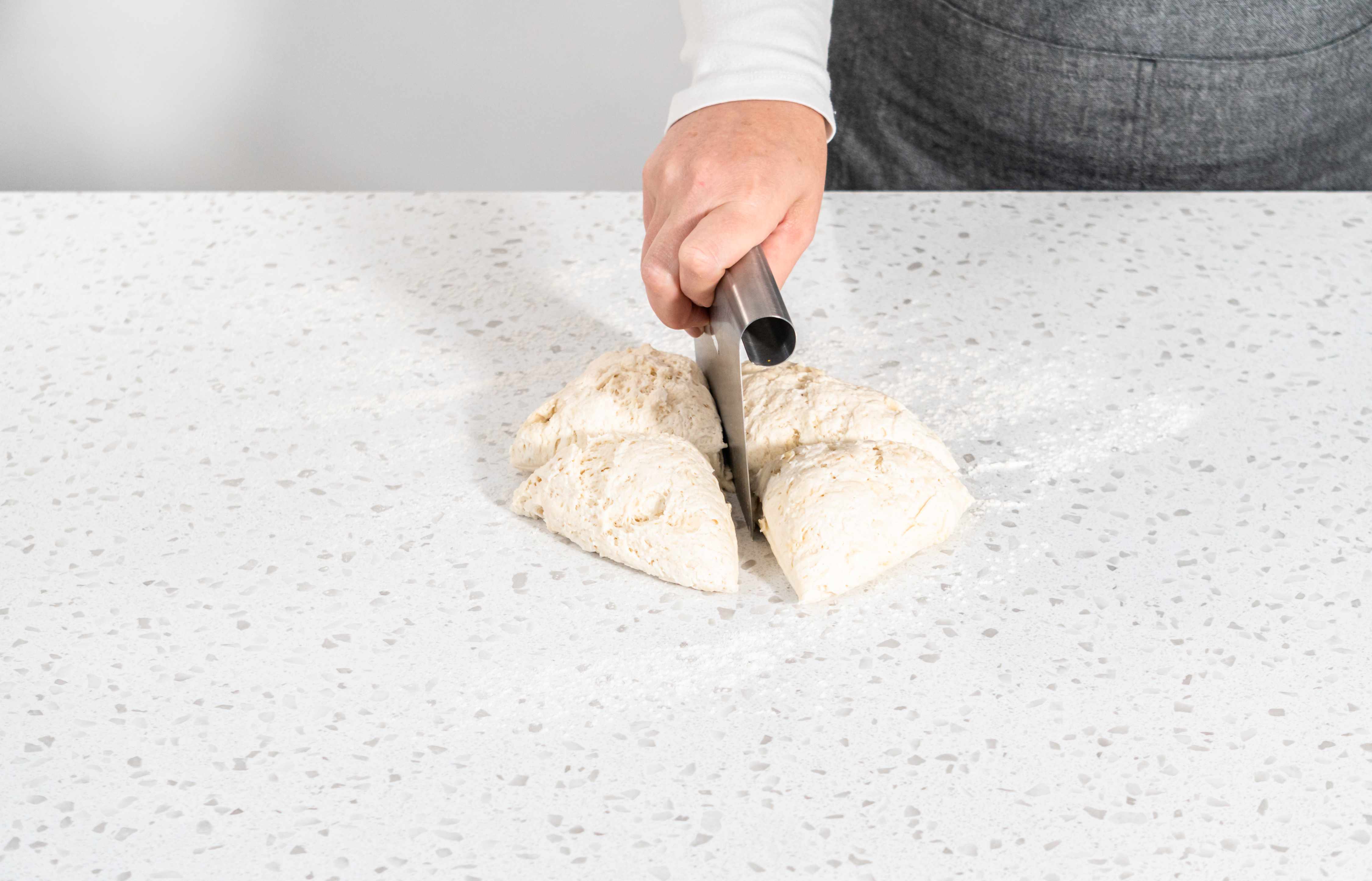
-
Second Rise
Make three diagonal cuts on the top of each loaf. Cover the loaves with a towel and let them rise for 30 to 60 minutes.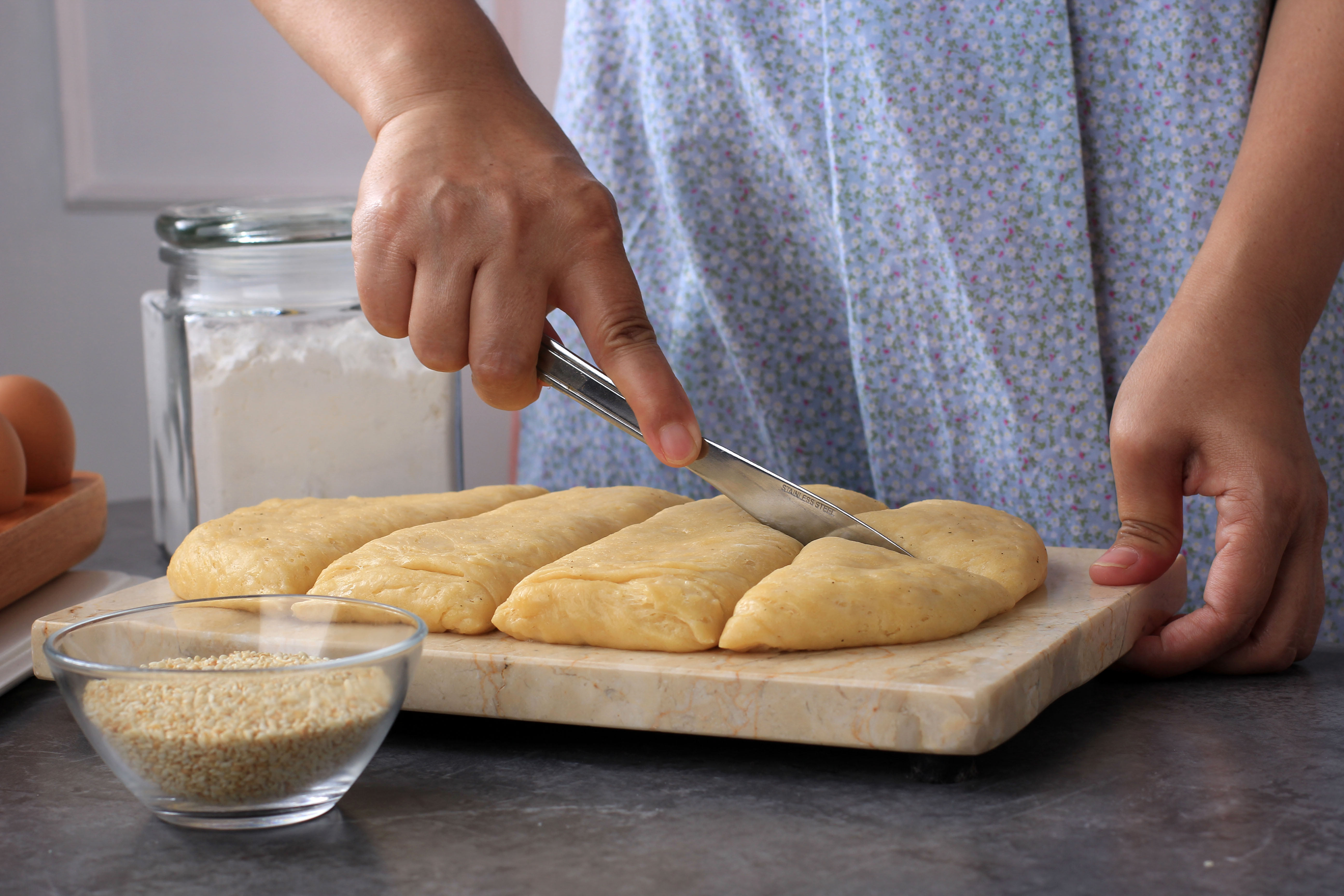
-
Baking
Preheat the oven to 400°F. Line a baking sheet. Bake the loaves for 17 to 23 minutes until golden brown and hollow-sounding when tapped. Adjust temperature if browning too fast.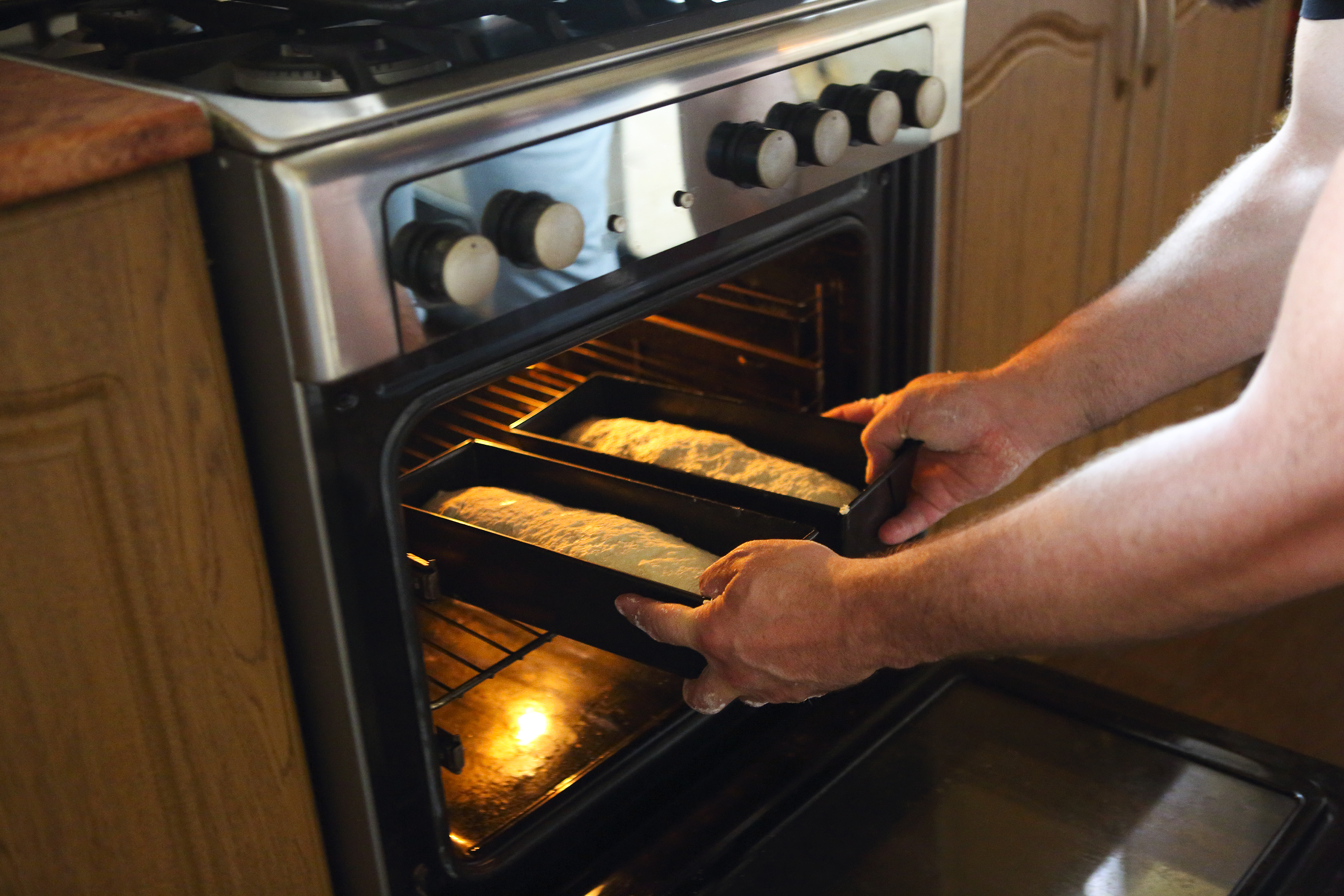
-
Finishing Touches
Brush the top with melted butter, if desired. Slice and serve warm.
Additional Notes
-
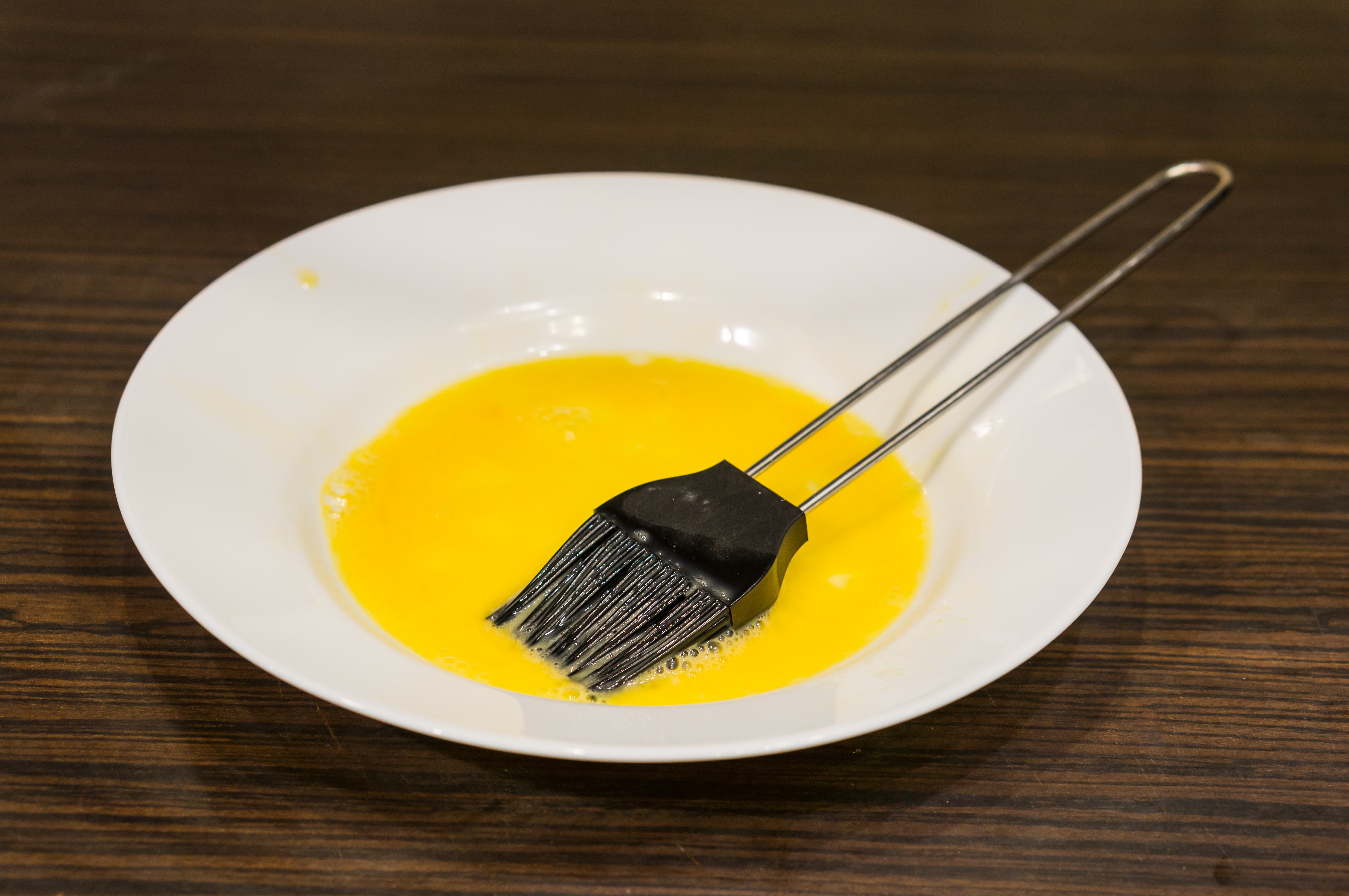
For a crispier crust, brush with egg wash before baking or add ice cubes to the oven. Store in a brown paper bag. Freeze in a zip-top bag for up to 3 months and reheat as needed.
Note
Crispy crust: I prefer a soft crust, but for a crispier/shinier crust, brush 1 egg white (whisked) with a teaspoon of water before baking french bread loaf. You can also add a few ice cubes into the oven to help trap the steam and add a few minutes onto the cooking time. Storing: This bread stores best in a brown paper bag on the counter. Freezer instructions: Allow to cool and then place in a large zip top bag to freeze (preferably before slicing). Remove all the air from the bag and then freeze up to 3 months. Thaw overnight on the counter. Reheat in the oven at 300°F for 5 minutes.
Conclusion:
Delightful Homemade French Bread Experience
Transport yourself to a quaint French bakery with each bite of this homemade French bread. The aroma of freshly baked bread wafting through your kitchen, the crispy crust giving way to a tender crumb, and the satisfaction of creating something so delicious from scratch - all contribute to a truly delightful experience.
Serving Suggestions and Tips
Serve this French bread warm with a generous slather of butter, alongside a bowl of hearty soup or a fresh salad. The versatility of this bread makes it perfect for creating sandwiches, bruschetta, or even French toast. For a crispy crust, follow the tips provided in the notes section, and store the bread in a brown paper bag to maintain its freshness.
Memorable Moments
As you knead the dough and watch it rise, you'll find a sense of accomplishment and joy in the art of bread-making. The process of creating this French bread can be a meditative and rewarding experience, allowing you to slow down and appreciate the simple pleasures of homemade food.
Try This Recipe Today!
I encourage you to try this homemade French bread recipe and embark on a culinary journey that will delight your senses. Share your experience with others, experiment with different variations such as adding herbs or cheese to the dough, and don't hesitate to reach out with any questions or feedback. Bon appétit!
Frequently Asked Questions
Can I freeze the Homemade French Bread?
Allow to cool and then place in a large zip top bag to freeze (preferably before slicing). Remove all the air from the bag and then freeze up to 3 months. Thaw overnight on the counter. Reheat in the oven at 300°F for 5 minutes.
How do I achieve a crispy crust on the French bread loaf?
For a crispier/shinier crust, brush 1 egg white (whisked) with a teaspoon of water before baking the French bread loaf. You can also add a few ice cubes into the oven to help trap the steam and add a few minutes onto the cooking time.
How should I store the Homemade French Bread?
This bread stores best in a brown paper bag on the counter.
What should I do if the bread is browning too fast while baking?
If it's browning too fast, lightly cover with foil and lower the temperature to 375°F.
How long can I keep the Homemade French Bread for?
Leftovers can be stored in a brown paper bag on the counter. If freezing, it can be stored for up to 3 months. Thaw overnight on the counter and reheat in the oven at 300°F for 5 minutes.
You may also like...


