
Unpacking the Origins of Sandwiches
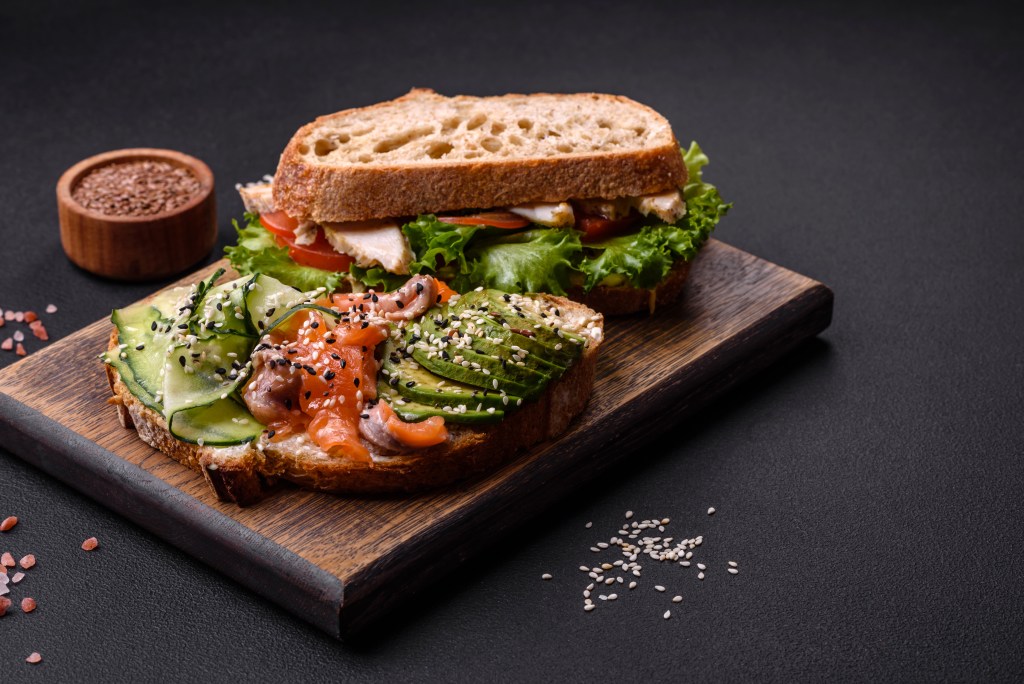
🥪 More Than a Meal: The Sandwich as Global Invention
What began as a gambler’s quick fix in 18th-century England has evolved into one of the world’s most beloved culinary formats. The sandwich—named after the Earl of Sandwich—may have gotten its title at a card table, but its spirit spans centuries and cultures. From Vietnam’s bánh mì to Mumbai’s vada pav, the idea of wrapping flavor in bread is a universal instinct. Each variation tells a story of migration, adaptation, and everyday genius—proof that the simplest meals often carry the richest histories.
🥪 The Sandwich: A Global Story of Ingenuity, Identity, and Everyday Art
It’s easy to overlook the sandwich. It’s everywhere—lunchboxes, street corners, gourmet menus. But behind its simplicity lies a rich, layered story that spans centuries, continents, and cultures. The sandwich isn’t just a meal—it’s a mirror. A reflection of human creativity, practicality, and the universal desire to wrap flavor, comfort, and culture into something you can hold in your hands.
🎩 The English Origin: Gambling, Convenience, and a Name That Stuck
The word “sandwich” was born in 18th-century England, thanks to John Montagu, the 4th Earl of Sandwich. A passionate gambler, Montagu didn’t want to leave the card table for meals. He asked for meat tucked between two slices of bread—easy to eat, no utensils, no mess. His fellow players began ordering “the same as Sandwich,” and just like that, a culinary term was coined.
But while Montagu gave the sandwich its name, he didn’t invent the concept. Cultures around the world had already been layering, stuffing, and wrapping ingredients in bread-like vessels for centuries. The sandwich, it turns out, is a global instinct.
🌍 Global Sandwich Archetypes: Ancient Ideas, Modern Icons
🧆 Middle Eastern Pita & Falafel
Long before the Earl’s card games, Middle Eastern farmers were stuffing pita with falafel, pickled vegetables, and tahini. These portable meals were practical, flavorful, and deeply rooted in tradition—proof that the sandwich was already alive and well.
🥖 Vietnamese Bánh Mì
When the French brought baguettes to Vietnam, locals fused them with native ingredients—cilantro, pickled daikon, chili, and grilled meats. The result? The bánh mì: a sandwich that tells a story of colonialism, resistance, and culinary fusion.
🦐 New Orleans Po’ Boy
Born during the 1929 streetcar strike, the po’ boy was a generous sandwich served to “poor boys” on the picket line. Stuffed with fried shrimp or roast beef, it became a symbol of Southern grit and generosity.
🌶️ Indian Vada Pav
Mumbai’s answer to the burger, vada pav features a spicy potato fritter tucked into a soft bun, often served with fiery chutneys. It’s cheap, satisfying, and beloved by millions—a street food with soul.
🧀 Latin American Arepas & Cemitas
In Venezuela and Colombia, arepas—cornmeal patties split and filled with meats, cheese, and avocado—offer a gluten-free take on the sandwich. In Mexico, cemitas layer breaded meats, papalo, and chipotle for a bold, regional twist.
🍞 The Sandwich Evolves: From Utility to Culinary Canvas
What began as a practical solution has become a playground for chefs and creators. Sandwiches now span every genre—gourmet, rustic, vegan, keto, fusion. Artisanal breads, global sauces, and inventive fillings have turned the sandwich into a medium for expression.
Think pressed paninis with truffle aioli. Open-faced tartines with smoked fish and microgreens. Wraps with kimchi and gochujang. The sandwich is no longer just lunch—it’s a statement.
❤️ Why We Love Sandwiches: Comfort, Customization, and Culture
Sandwiches are personal. They’re nostalgic. They’re democratic. They can be made in minutes or crafted with precision. They adapt to every taste, every diet, every moment. From a grilled cheese on a rainy day to a towering deli sub after a workout, sandwiches meet us where we are.
They’re also cultural carriers. Every sandwich tells a story—of migration, adaptation, celebration. They’re how flavors travel, how traditions evolve, how identities are shared.
🧠 Final Bite: The Sandwich as Everyday Genius
The sandwich is proof that brilliance doesn’t need complexity. It’s a reminder that the best ideas are often the simplest ones—born from necessity, shaped by culture, and elevated by creativity.
So next time you bite into a sandwich, pause. You’re not just eating—you’re participating in a global tradition. One that spans centuries, crosses borders, and continues to evolve with every layer, every spread, every bite.





You must be logged in to post a comment.