
10 Knife Skills Every Home Cook Should Master
10 Knife Skills Every Home Cook Should Master
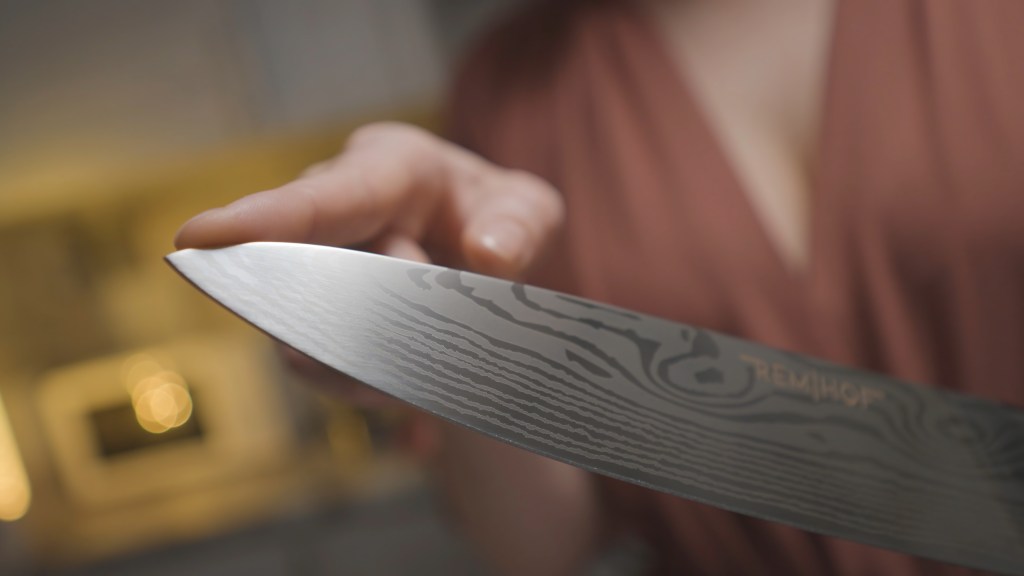
🔪 A sharp knife is the single most important tool in your kitchen. But a sharp blade alone won’t get you far—technique is what turns chopping into craft. Knife skills aren’t just about speed; they’re about safety, efficiency, and presentation. When you learn to move with precision, you not only make cooking faster but also more enjoyable. There’s less frustration, fewer accidents, and better results on the plate. Picture yourself gliding through onions without tears, slicing tomatoes that hold their shape, and carving proteins that look restaurant-worthy. That kind of confidence changes the way you cook.
Here are ten knife skills every home cook should have in their back pocket.
1. The Proper Grip

✋ The way you hold a knife determines everything else. Most beginners use a clumsy “handle-only” grip, which makes the blade feel heavy and unstable. Instead, pinch the blade where it meets the handle with your thumb and forefinger, while your other fingers wrap firmly around the handle. This creates balance and control, letting the knife work with you rather than against you. It feels odd at first, but the more you practice, the more natural it becomes. Think of it like learning to hold a pencil correctly—awkward at the start, effortless later. A strong grip also reduces wrist fatigue, which means you can chop longer without losing accuracy.
2. The Basic Slice

🍅 Slicing seems obvious, but most people press straight down, which crushes the food. The secret is to let the knife glide in a smooth, forward-and-down motion, using the full length of the blade. A tomato cut this way won’t collapse into mush, and onions fall into clean, even layers. The key is rhythm: once you find that steady forward motion, the knife does most of the work. Try practicing on cucumbers or carrots, where you can hear the difference between a clean cut and a forced one. Over time, this habit speeds up prep work and keeps your ingredients looking sharp on the plate.
3. The Rock Chop

🌿 When you’ve got herbs to mince or garlic to smash, the rock chop is your best friend. Start by anchoring the tip of your knife on the cutting board. Then, lift and lower the heel of the blade in a rocking motion, moving steadily across your pile of herbs. Your free hand can lightly rest on top of the blade, fingers curled safely out of harm’s way, adding stability. This move turns bulky parsley into fine confetti or reduces garlic cloves into a paste-like consistency. The beauty of the rock chop is efficiency—it saves time and keeps your cuts uniform. Once you get comfortable, it feels like the knife is dancing.
4. The Julienne
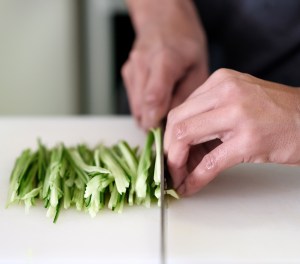
🥕 Julienne is chef-speak for “matchstick thin,” and it’s one of the most elegant cuts you can learn. To pull it off, trim your vegetable into flat, stable planks—this keeps it from rolling around. Stack the planks neatly, then slice them into skinny sticks of equal width. Julienne carrots, bell peppers, or zucchini are the backbone of stir-fries, salads, and garnishes. They cook evenly, look polished, and add texture without bulk. With practice, you’ll discover how much more appetizing your dishes become when vegetables are uniform and refined. It’s a skill that looks advanced but is built on repetition and patience.
5. The Dice

🧅 Every cook should know how to dice an onion cleanly—it’s the foundation of countless recipes. Slice the onion in half through the root, peel off the skin, and place the flat side down for stability. Make horizontal cuts toward the root, then vertical slices across, and finish with downward cuts. What you’re left with is a neat pile of evenly sized cubes. This method isn’t limited to onions; you can apply it to carrots, potatoes, or celery. A proper dice matters because even pieces cook at the same rate. Instead of half-soft, half-crunchy vegetables, you get consistency in every bite, which makes your dish taste balanced.
6. The Mince

🧄 Mincing is about reducing food into tiny, even pieces that release maximum flavor. Start with a rough chop of garlic, ginger, or herbs, then gather it into a pile. Using the rock chop motion, run the blade back and forth until the pieces are nearly microscopic. Why bother? Smaller cuts expose more surface area, which means more aroma and flavor are released into your dish. Garlic in particular transforms: minced, it spreads its sweetness and pungency evenly instead of overpowering in chunks. Herbs like cilantro or basil disperse beautifully when finely minced, turning a dish into something fragrant and cohesive.
7. Slicing Protein Cleanly

🥩 Protein can be intimidating, but the trick is simple: slice against the grain. Meat is made up of long muscle fibers. If you cut parallel to those fibers, you end up with chewy, stringy bites. By cutting perpendicular to the grain, you shorten those fibers, making each piece tender. This applies to steak, chicken breast, pork, and even fish. Use long, confident strokes with a sharp knife, and let the blade glide instead of sawing back and forth. Presentation improves too—a clean slice looks far more appetizing. Once you learn this, you’ll never look at carving meat the same way.
8. Segmenting Citrus

🍊 Segmenting citrus turns an everyday orange or grapefruit into something elegant. Start by cutting off the top and bottom, then stand the fruit upright. Slice down the sides to remove peel and pith, exposing the juicy flesh. With a paring knife, cut between the membranes to release clean wedges. This extra step eliminates the bitter white pith and chewy membranes, leaving only the bright, juicy fruit. Perfect for salads, cocktails, or garnishes, segmented citrus elevates your dish visually and texturally. It may seem fussy, but once you serve a citrus salad this way, you’ll never go back to rough chunks.
9. Carving vs. Boning

🍗 Carving and boning require different mindsets, but both make you more versatile. Carving a roast is about presentation: smooth, even slices across the grain so each portion looks uniform. Boning, on the other hand, is about precision and patience. You’re following the contours of a bone, using small controlled cuts, and letting the knife—not brute force—do the work. Deboning chicken thighs, for example, saves money and gives you more flexibility in recipes. Carving a turkey at the holidays is as much performance as skill. Knowing how to do both means you can handle a whole bird, a roast, or fillets with confidence.
10. Sharpening and Storing

🪵 Knife skills don’t mean much if your blade is dull or damaged. A sharp knife is safer because it requires less force, reducing slips. Hone your knife regularly with a steel to keep the edge aligned, but also sharpen with a whetstone or professional service when it starts to drag. How you store knives matters too. A loose drawer is a blade’s worst enemy—it dulls edges and risks accidents. Instead, invest in a knife block, magnetic strip, or protective sheath. Think of it as maintaining a car: you wouldn’t ignore oil changes, so don’t neglect your knives.
Bringing It Together
✨ Knife skills don’t develop overnight, but they pay off for life. Pick one technique and practice until it feels second nature, then move on to the next. Chop an onion just to practice dicing, or work through a pile of parsley to refine your mincing. Over time, these moves become muscle memory. Cooking feels smoother, prep takes less effort, and the results on the plate look intentional. The better your cuts, the more evenly your food cooks, the more balanced your flavors become, and the more confident you feel in the kitchen. At that point, cooking stops feeling like a chore and starts feeling like craft.

Steam, Don’t Scream: The Post-Cook Grain Ritual
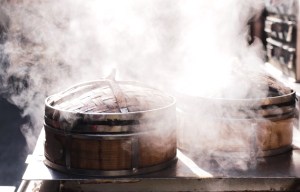
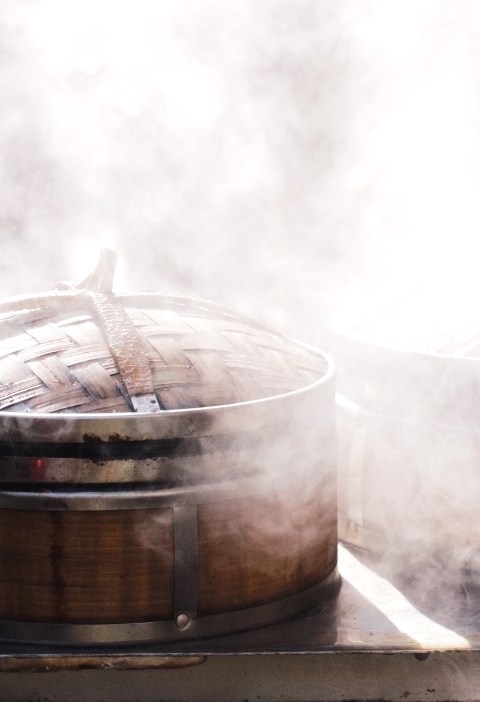
🍚 Why Patience Makes Perfect Grains Rice, quinoa, couscous—grains aren’t finished when the timer dings. Their last stage is off the heat, under a lid. This quiet ritual is what separates gummy mush from fluffy perfection. 🍚 Steam, Don’t Scream: The Post-Cook Grain Ritual By The Editorial Team at Home Chefs United NewswireSeptember 25, 2025
Taste Early, Taste Often: The Golden Rule of Flavor Control
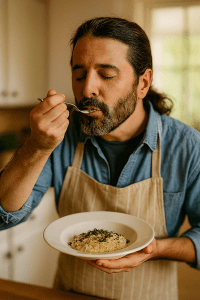
👅 The Rule Every Chef Lives By Great cooking isn’t about following instructions word-for-word—it’s about adjustments. The only way to know what a dish needs is to taste along the way. Chefs swear by this habit, and it’s the difference between food that’s fine and food that’s unforgettable. 👅 Taste Early, Taste Often: The Golden

Room Temperature Rules: The Secret to Better Baking and Searing
. 🧈 Why Temperature Changes Everything From cookies that bake evenly to steaks that sear with confidence, starting at room temperature is the simplest rule that separates home cooks from professionals. It’s not fussy—it’s science. 🧈 Room Temperature Rules: The Secret to Better Baking and Searing By The Editorial Team at Home Chefs United NewswireSeptember

How to Read a Recipe Like a Pro (Before You Cook)
🥕 Stop Surprises Before They Start Most cooking disasters don’t come from bad pans or weak seasoning—they come from us jumping into a recipe blind. Pros read recipes like pilots scan flight plans. Here’s how to do the same at home. 🥕 The Power of Mise en Place By The Editorial Team at Home Chefs

The Power of Mise en Place: Why Chefs Swear by It
🥕 The Secret Weapon Behind Every Great Kitchen Mise en place—“everything in its place”—isn’t just chef lingo. It’s a mindset. When your kitchen is organized before you turn on the stove, cooking stops being stressful and starts being enjoyable. 🥕 The Power of Mise en Place By The Editorial Team at Home Chefs United NewswireSeptember
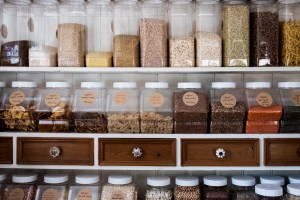
Pantry Confessions: What’s Lurking Behind the Door
🥫 What Your Pantry Really Says About You Your pantry isn’t just food storage—it’s a personality test. From quinoa you never cooked to the hot sauces you bragged about but never touched, every item tells a story. 🥣 Your pantry is less about what you eat and more about what you intend to eat. By




You must be logged in to post a comment.