🥘 Introduction: Unlocking Beef’s Potential
Beef is intrinsically flavorful, but careful seasoning brings out its best qualities and introduces new dimensions. Dry rubs and marinades infuse meat with spices and aromatics, tenderize muscle fibers and create craveworthy crusts. Understanding the principles behind these methods allows you to tailor seasonings to your taste and the cut of beef at hand. Whether you’re grilling steaks, roasting a chuck or slow‑cooking short ribs, thoughtful preparation makes all the difference. Step into the world beyond salt and discover how to elevate beef with minimal effort and maximum impact.
🧂 Understanding Dry Rubs
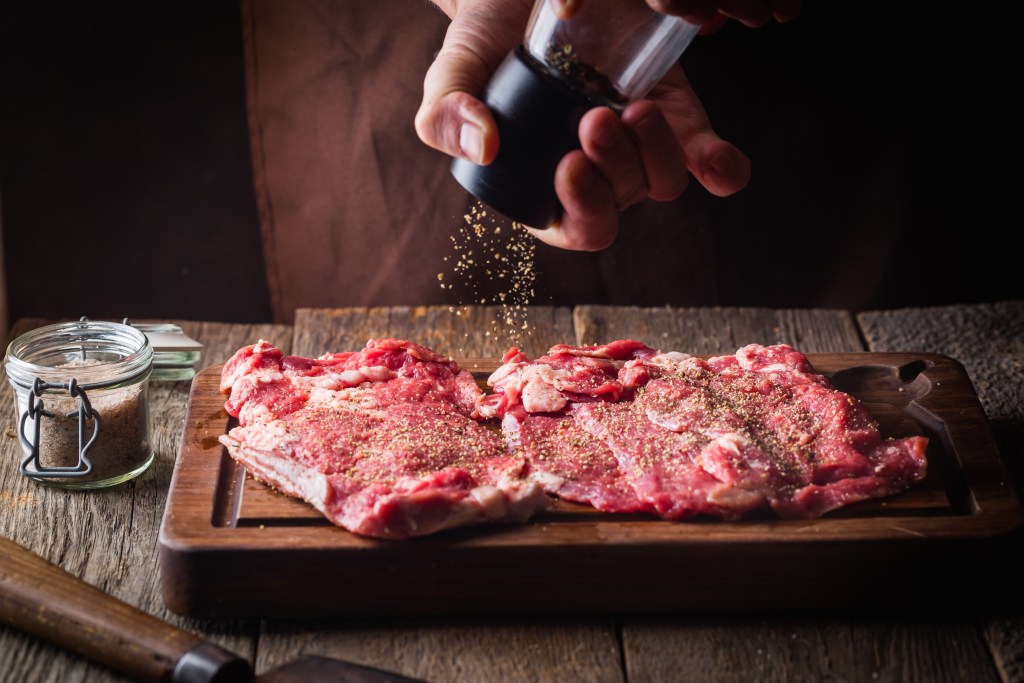
Components & Ratios – A basic dry rub consists of salt, sugar, spices and sometimes dried herbs. Salt seasons the meat and draws moisture to the surface, creating a savory crust. Sugar aids caramelization, providing a sweet counterpoint to spice and smoke. Spices like paprika, cumin, coriander and garlic powder add layers of flavor. Dried herbs such as thyme, rosemary or oregano lend complexity. Adjust ratios to suit the cut and desired intensity.
Application Technique – Pat the beef dry with paper towels before applying the rub. Sprinkle the rub evenly over all sides, then gently massage it in. For larger cuts, score the fat cap lightly to allow the rub to penetrate. Let the meat rest at room temperature for 30 minutes or refrigerate for up to 24 hours. The longer it sits, the deeper the flavor permeates. Allow refrigerated meat to come to room temperature before cooking for even results.
Flavor Variations – Create rubs inspired by different cuisines. For a Southwest profile, blend chili powder, smoked paprika, cumin, garlic powder and brown sugar. For a coffee–cocoa rub, mix finely ground coffee, unsweetened cocoa powder, black pepper, coriander and a touch of brown sugar. Mediterranean rubs combine dried oregano, rosemary, lemon zest, garlic powder and coarse salt. Adjust heat by adding cayenne or black pepper. Experiment until you find your signature blend.
.
🧪 Mastering Marinades
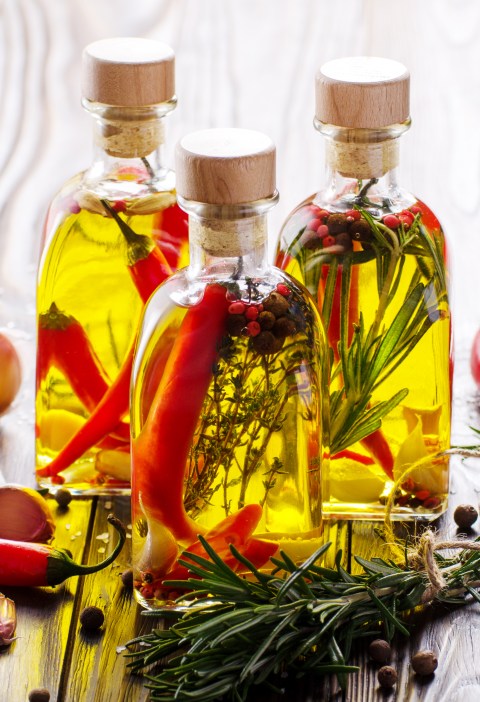
Acid & Fat Balance – Marinades consist of an acidic component (vinegar, citrus juice or wine) that tenderizes, a fat (oil) that carries flavor and keeps meat moist, and seasonings that penetrate the meat. Acids break down connective tissue, allowing flavors to seep in. Too much acid can mushy the texture; balance with oil. Flavorings include garlic, herbs, spices and sweeteners. Marinate in a non‑reactive container (glass, ceramic or plastic) to prevent metallic tastes.
Timing & Cut Choice – Thin cuts like skirt or flank steak only need 30 minutes to 2 hours in a bold, acidic marinate. Thick cuts like chuck or short ribs benefit from 6–12 hours in a more gentle mixture. Over‑marinating can lead to mushy meat, so adjust times based on thickness. For tough cuts, use enzymes like papaya or pineapple juice to further tenderize. Always refrigerate while marinating to prevent bacterial growth.
Global Inspirations – Create international flavors with different marinades. A Korean bulgogi-style mix uses soy sauce, garlic, ginger, brown sugar, sesame oil and pear puree. Argentine chimichurri features parsley, oregano, garlic, red pepper flakes, vinegar and olive oil. Red wine and rosemary make a classic French profile. Indian-inspired marinades might include yogurt, turmeric, cumin, coriander and lemon juice. Tailor to your meal’s theme.
.
🔥 Cooking Methods for Seasoned Beef
Grilling – A hot grill sears dry-rubbed steaks, creating a flavorful crust while keeping the center juicy. Sear over high heat, then move to indirect heat until the desired doneness. Let steak rest for 5–10 minutes before slicing. Use marinades for thinner cuts like skirt steak and cook quickly over direct heat. Brush with remaining marinate in the last minute for extra flavor.
Searing & Oven Finishing – Pan-searing is ideal for steaks like ribeye or strip. Heat a cast‑iron skillet until smoking, add oil and sear for 2–3 minutes per side. Finish in a preheated oven until internal temperature reaches the desired doneness. This method delivers a crust similar to grilling without firing up the barbecue. Don’t move the steak too often; let it develop a deep brown crust.
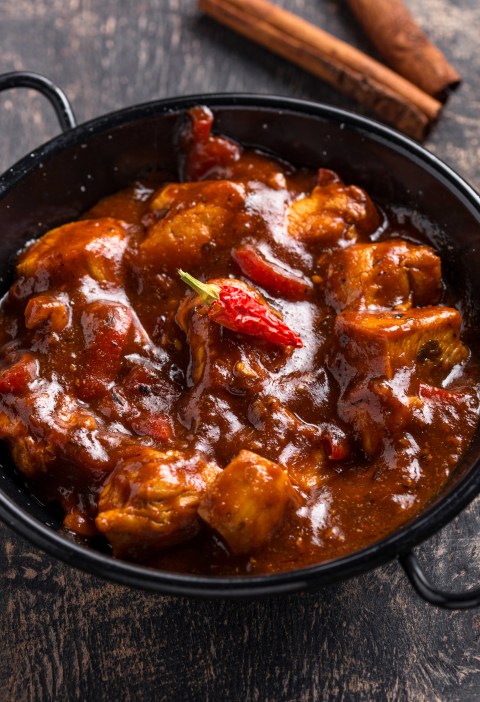
Slow Cooking & Braising – For tougher cuts like chuck roast or short ribs, dry rubs and marinades shine in slow cooking. Brown the meat first to build flavor, then cook low and slow in a covered pot with stock or wine. The seasoning permeates the meat as connective tissue melts into gelatin. Finish with fresh herbs or citrus zest for brightness. Serve braised beef over mashed potatoes or polenta.
.
🧠 Layering Flavors Beyond Rubs & Marinades
Compound Butter – Top hot steaks with a pat of compound butter just before serving. Mix softened butter with chopped herbs, garlic, lemon zest and coarse salt. As it melts, it creates a luscious sauce. For a smoky kick, add chipotle in adobo or smoked paprika. Compound butter elevates even simple salt-and-pepper steaks.
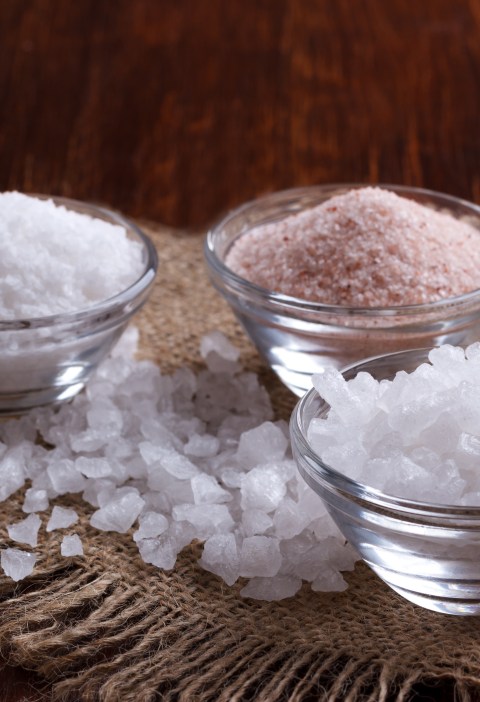
Finishing Salts – Sprinkle finishing salts like fleur de sel, Maldon sea salt or smoked salt over sliced steak. These salts provide a crunchy texture and bursts of flavor. Flavored salts infused with herbs, citrus or chilies add another dimension. Apply sparingly—finishing salt is a condiment, not a cooking ingredient.
Glazes & Reductions – Brush steaks with glaze in the last moments of cooking. Balsamic reduction, miso glaze or barbecue sauce caramelize quickly, adding a glossy sheen and sweet-savory contrast. Create a pan sauce by deglazing the skillet with wine or stock, scraping browned bits and whisking in butter. Adding a splash of cream or mustard customizes the flavor.
🛍️ Choosing the Right Cut
Tender Steaks – Cuts like ribeye, tenderloin and strip have abundant marbling and require minimal marinating. A simple dry rub enhances flavor without overpowering the beef’s natural richness. Grill or pan-sear to medium-rare for maximum juiciness. These steaks are ideal for special occasions.
Flavorful Cheaper Cuts – Flank, skirt and hanger steaks offer big flavor at a lower price. They benefit from brief marinating to tenderize and season. Cook quickly over high heat to medium-rare and slice thinly against the grain. Use these cuts in tacos, salads or stir-fries for budget-friendly meals.
Braising Cuts – Tough cuts like chuck, brisket and short ribs shine in slow cooking. Their collagen melts into gelatin, creating tender meat and rich sauce. Season generously with dry rubs and let the flavors meld during braising. Serve braised beef over mashed potatoes or polenta. These cuts are perfect for feeding a crowd.
⏲️ Resting & Slicing Techniques
Importance of Resting – Resting allows juices to redistribute throughout the meat. Cutting into steak immediately after cooking causes flavorful juices to pool on the plate. For steaks, rest 5–10 minutes; for roasts, rest 15–20 minutes. Tent with foil to retain heat. This simple step ensures juicy, tender results.
Slicing Against the Grain – Muscle fibers in meat run in a particular direction. Slicing perpendicular to these fibers shortens them, making meat easier to chew. Skirt, flank and hanger steaks particularly benefit from proper slicing. Look for the lines of muscle and angle your knife accordingly. Thin slices also help sauce and seasonings coat each bite evenly.
Presentation & Portioning – Slice larger roasts into thin pieces and arrange on a platter for serving. Fan slices to show off the interior doneness and seasoning crust. If serving sauce, drizzle lightly over meat and provide extra on the side. Portion sizes vary by cut; aim for 6–8 ounces per person for steaks and 4–6 ounces for braised dishes. Thoughtful presentation enhances the dining experience.
🧽 Tool Care & Safety
Cleaning Grill Grates – After grilling, brush warm grates with a stiff wire brush to remove charred bits. Wipe with a lightly oiled paper towel to season the grates and prevent rust. A clean grill prevents sticking and imparts better sear marks. Regular maintenance extends the life of your grill.
Cast-Iron Upkeep – Cast-iron skillets deliver excellent heat retention for searing. After cooking, wipe out excess oil and scrub with a brush or coarse salt. Rinse briefly with water, then dry thoroughly and rub with a thin layer of oil. Avoid using soap, which can strip the seasoning. Proper care ensures your skillet stays nonstick and rust-free.
Food Safety – Always marinate beef in the refrigerator, not on the counter. Discard used marinades or boil them thoroughly if you plan to use them as a sauce. Avoid cross-contamination by using separate cutting boards for raw meat and other ingredients. Cook ground beef to 160 °F (71 °C) and steaks to your preferred doneness. Safe handling prevents foodborne illness.
📝 Closing Reflection
Seasoning beef with intention unlocks depths of flavor and tenderness you might not have thought possible. Dry rubs build complex crusts; marinades tenderize and infuse; finishing touches elevate the final bite. Understanding how different cuts respond to seasoning and heat ensures success with every meal. As you experiment with rubs and marinades, you’ll discover personal favorites and cultural influences that resonate with your palate. Let curiosity guide you, and savor the journey of making beef beyond salt a centerpiece of your culinary repertoire.

Steam, Don’t Scream: The Post-Cook Grain Ritual
🍚 Why Patience Makes Perfect Grains Rice, quinoa, couscous—grains aren’t finished when the timer dings. Their last stage is off the heat, under a lid. This quiet ritual is what separates gummy mush from fluffy perfection. 🍚 Steam, Don’t Scream: The Post-Cook Grain Ritual By The Editorial Team at Home Chefs United NewswireSeptember 25, 2025

Taste Early, Taste Often: The Golden Rule of Flavor Control
👅 The Rule Every Chef Lives By Great cooking isn’t about following instructions word-for-word—it’s about adjustments. The only way to know what a dish needs is to taste along the way. Chefs swear by this habit, and it’s the difference between food that’s fine and food that’s unforgettable. 👅 Taste Early, Taste Often: The Golden

Room Temperature Rules: The Secret to Better Baking and Searing
. 🧈 Why Temperature Changes Everything From cookies that bake evenly to steaks that sear with confidence, starting at room temperature is the simplest rule that separates home cooks from professionals. It’s not fussy—it’s science. 🧈 Room Temperature Rules: The Secret to Better Baking and Searing By The Editorial Team at Home Chefs United NewswireSeptember

How to Read a Recipe Like a Pro (Before You Cook)
🥕 Stop Surprises Before They Start Most cooking disasters don’t come from bad pans or weak seasoning—they come from us jumping into a recipe blind. Pros read recipes like pilots scan flight plans. Here’s how to do the same at home. 🥕 The Power of Mise en Place By The Editorial Team at Home Chefs

The Power of Mise en Place: Why Chefs Swear by It
🥕 The Secret Weapon Behind Every Great Kitchen Mise en place—“everything in its place”—isn’t just chef lingo. It’s a mindset. When your kitchen is organized before you turn on the stove, cooking stops being stressful and starts being enjoyable. 🥕 The Power of Mise en Place By The Editorial Team at Home Chefs United NewswireSeptember

Pantry Confessions: What’s Lurking Behind the Door
🥫 What Your Pantry Really Says About You Your pantry isn’t just food storage—it’s a personality test. From quinoa you never cooked to the hot sauces you bragged about but never touched, every item tells a story. 🥣 Your pantry is less about what you eat and more about what you intend to eat. By
You must be logged in to post a comment.