Burnt But Worth It: When Kitchen Mistakes Turn Into Magic

Kitchen Confessional Tastekeepers

Burnt But Worth It: When Kitchen Mistakes Turn Into Magic
🔥 The Joy of Failing Forward in the Kitchent

Every cook has faced the sting of a meal gone wrong—but sometimes those so-called mistakes turn into masterpieces. From crispy onions that refused to behave to flatbreads with a little too much char, kitchen slip-ups can unlock flavors we never expected. This is the story of why accidents are often the best seasoning.

🥣 When Your In the kitchen, failure is never final—it’s often the spark of something new. 

By The Editorial Team at Home Chefs United Newswire
September 25, 2025

In the kitchen, failure is never final—it’s often the spark of something new. From onions that caramelized into smoky gold to pasta that became baked casserole, happy accidents remind us that cooking is about creativity as much as precision. Sometimes the best dishes come from mistakes.


🔥 Chicken: From Dry to Delightful
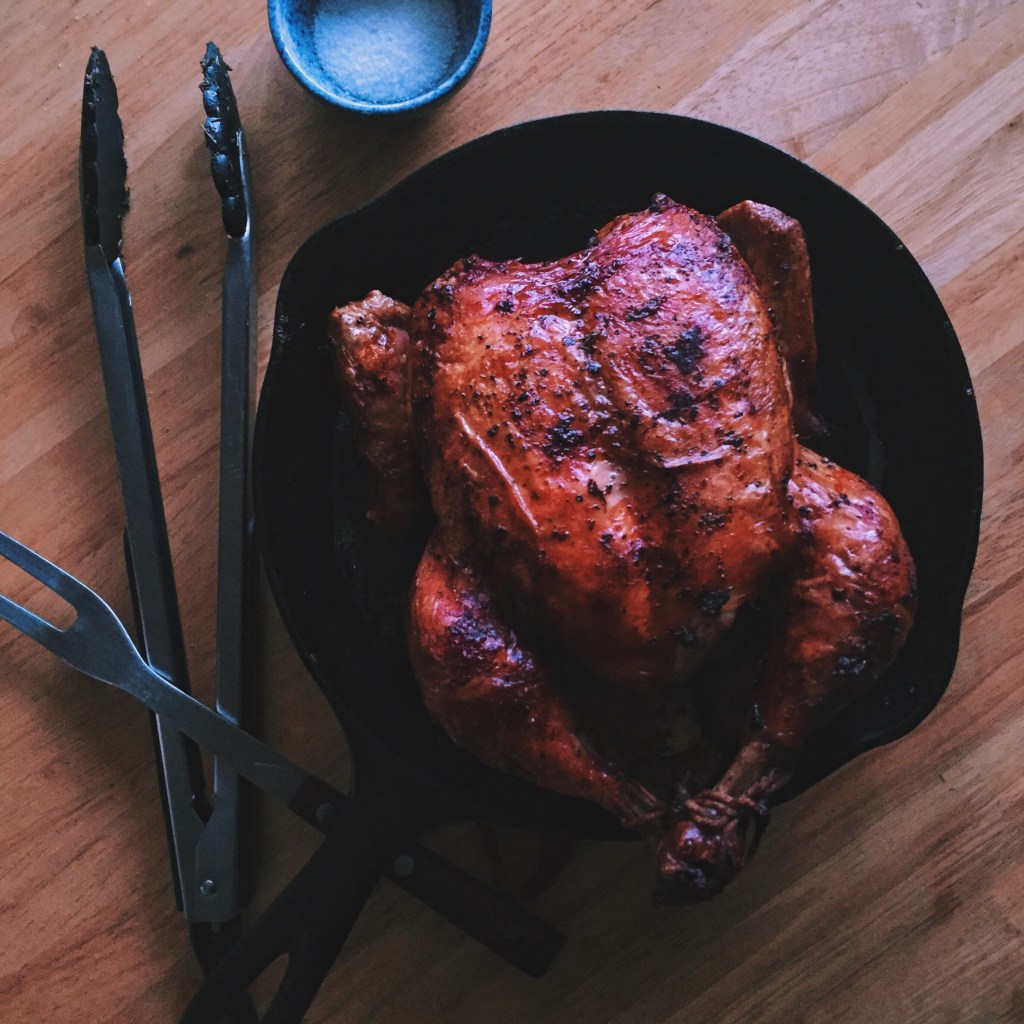
The number one chicken crime? Overcooking. We’ve all cut into a breast that looked like sandpaper and sighed. But here’s the confession: dry chicken isn’t the end.

  • Shred it into salads and toss with creamy dressings—the dryness disappears under flavor.
  • Simmer it in broth or curry—the meat reabsorbs liquid and softens again.
  • Marinate after the fact—sounds backward, but even cooked chicken can soak up vinaigrettes or sauces overnight.
One time, I pulled out chicken breasts baked so long they could’ve doubled as doorstops. Instead of hiding the disaster, I shredded them, stirred in Greek yogurt, lemon juice, and herbs, and ended up with a bright chicken salad people asked me for the recipe of. The fail became a crowd-pleaser.

🥩 Steak: Char Into Character
Steak is unforgiving. Too much time on the grill and your juicy medium-rare turns into boot leather. Too much flame and the edges blacken into bitter char. But steak has resilience if you pivot fast.

  • Slice thin and layer over salads with vinaigrette—acid balances out dryness.
  • Go steak frites style—slice, cover in peppercorn or mushroom sauce, and serve with fries.
  • Leverage the char—a little bitterness works when paired with sweetness (balsamic glaze, caramelized onions, roasted peppers).
I once torched a ribeye during a backyard cookout. Embarrassed, I sliced it thin, added roasted red peppers, crumbled blue cheese, and tucked it into ciabatta rolls. Guests swore it tasted like a steakhouse sandwich. The “burn” turned into brand-new character.

🐟 Seafood: Overcooked Doesn’t Mean Over
Seafood is tricky. One extra minute and shrimp rubberize, fish dries, scallops lose their tender bite. But even here, rescue is possible.

  • Turn it into chowder—overcooked fish regains tenderness when simmered in cream or broth.
  • Flake it into tacos with salsa and slaw—texture hides under crunch and sauce.
  • Recast it as a spread—overcooked salmon mashed with cream cheese, lemon, and dill becomes a dip.
I once pan-fried scallops too long and nearly tossed them. Instead, I chopped them into small pieces, folded them into risotto with Parmesan and lemon zest, and suddenly had a rich, indulgent dish that felt intentional. Nobody at the table guessed the original plan had gone sideways.

🍳 The Universal Playbook for Burnt-but-Worth-It Moments
When disaster strikes, don’t default to the trash. Test this recovery toolkit:
  • Balance flavors: Bitter char? Add cream, cheese, or acid.
  • Change the cut: Slice thin, shred, or flake to disguise dryness.
  • Change the context: A burnt entrée might be a perfect sandwich filling, taco base, or salad topper.
  • Use strong partners: Sauces, dips, spreads, or grains can transform the perception of “ruined.”
Pro tip: when in doubt, call it “rustic.” Diners forgive a lot under the right branding.

🥖 How Chefs Rebrand Mistakes
Watch professionals in a hot kitchen and you’ll see quick pivots, not panic. They:

  • Rename: “Wood-fired” instead of burnt. “Glazed” instead of sticky.
  • Redirect: Turn mains into small plates or shareables.
  • Distract: Pair the flaw with a bold sauce, garnish, or texture.
At a certain point, the dish stops being a mistake—it becomes a new creation. That’s the chef’s sleight of hand.

🍨 Why Dessert Saves Everything
Still, some flops are beyond saving—burnt garlic, leathery shrimp, ash-like bread. That’s when dessert is your parachute. Keep this short list in your back pocket:

  • Vanilla ice cream (add fruit, drizzle honey, or crumble cookies).
  • Dark chocolate bars (serve with espresso or wine).
  • Fresh berries and whipped cream (instant elegance).
No one remembers the entrée if the meal ends sweetly.

😂 The Takeaway
Chicken too dry? Steak too charred? Seafood too firm? That’s not the end. It’s the beginning of a new dish, a new story, maybe even a new favorite. Kitchen mistakes aren’t failures—they’re forks in the road. Taste before you toss, adapt before you despair, and remember: resilience tastes better than perfection.

Your turn: Share your chicken, steak, or seafood “burnt but worth it” moment. The best ones will inspire the next Kitchen Confessional.
Essential Cooking Techniques
Chef Sagittarius

Steam, Don’t Scream: The Post-Cook Grain Ritual

🍚 Why Patience Makes Perfect Grains Rice, quinoa, couscous—grains aren’t finished when the timer dings. Their last stage is off the heat, under a lid. This quiet ritual is what separates gummy mush from fluffy perfection. 🍚 Steam, Don’t Scream: The Post-Cook Grain Ritual By The Editorial Team at Home Chefs United NewswireSeptember 25, 2025
Read More »
Essential Cooking Techniques
Chef Sagittarius

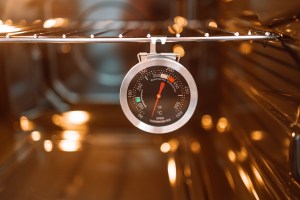
Taste Early, Taste Often: The Golden Rule of Flavor Control

👅 The Rule Every Chef Lives By Great cooking isn’t about following instructions word-for-word—it’s about adjustments. The only way to know what a dish needs is to taste along the way. Chefs swear by this habit, and it’s the difference between food that’s fine and food that’s unforgettable. 👅 Taste Early, Taste Often: The Golden
Read More »
Essential Cooking Techniques
Chef Sagittarius

Room Temperature Rules: The Secret to Better Baking and Searing

. 🧈 Why Temperature Changes Everything From cookies that bake evenly to steaks that sear with confidence, starting at room temperature is the simplest rule that separates home cooks from professionals. It’s not fussy—it’s science. 🧈 Room Temperature Rules: The Secret to Better Baking and Searing By The Editorial Team at Home Chefs United NewswireSeptember

Read More »
Essential Cooking Techniques
Chef Sagittarius

How to Read a Recipe Like a Pro (Before You Cook)

🥕 Stop Surprises Before They Start Most cooking disasters don’t come from bad pans or weak seasoning—they come from us jumping into a recipe blind. Pros read recipes like pilots scan flight plans. Here’s how to do the same at home. 🥕 The Power of Mise en Place By The Editorial Team at Home Chefs

Read More »
Essential Cooking Techniques
Chef Sagittarius

The Power of Mise en Place: Why Chefs Swear by It

🥕 The Secret Weapon Behind Every Great Kitchen Mise en place—“everything in its place”—isn’t just chef lingo. It’s a mindset. When your kitchen is organized before you turn on the stove, cooking stops being stressful and starts being enjoyable. 🥕 The Power of Mise en Place By The Editorial Team at Home Chefs United NewswireSeptember

Read More »
Kitchen Confessional
Chef Sagittarius

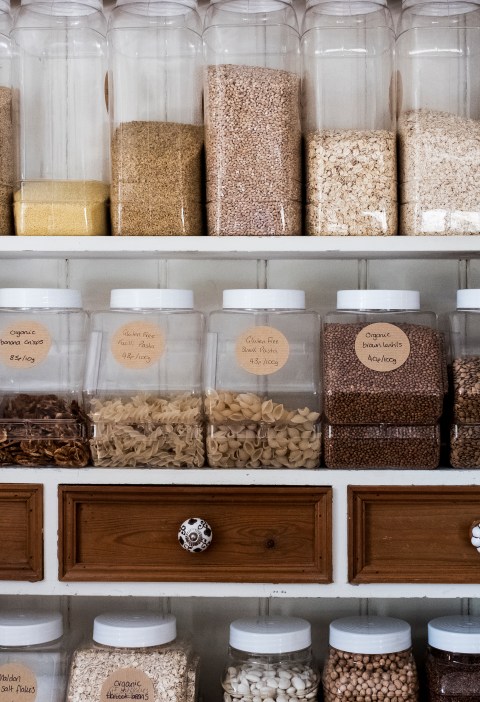
Pantry Confessions: What’s Lurking Behind the Door

🥫 What Your Pantry Really Says About You Your pantry isn’t just food storage—it’s a personality test. From quinoa you never cooked to the hot sauces you bragged about but never touched, every item tells a story. 🥣 Your pantry is less about what you eat and more about what you intend to eat. By

Read More »
x

Lost Password

Discover more from Home Chefs United

Subscribe now to keep reading and get access to the full archive.

Continue reading