
Essential Cooking Techniques Every Man Should Know
1. Knife Skills
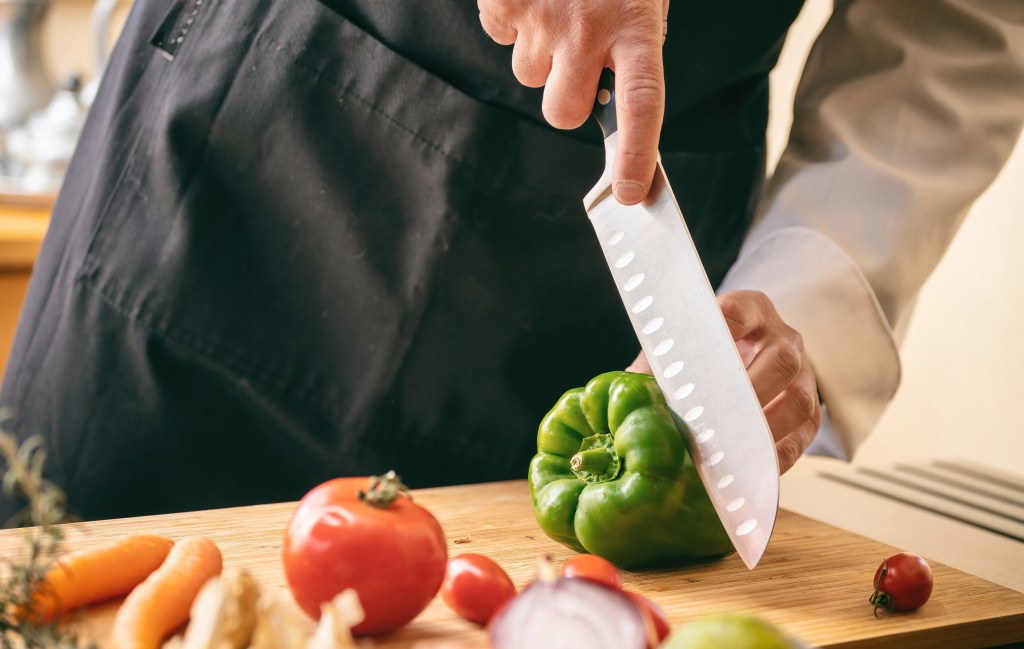
Knife skills are the foundation of cooking. Being able to chop, dice, slice, and mince efficiently not only makes you faster in the kitchen but also ensures that ingredients cook evenly.
Learn to hold a chef’s knife correctly, using a firm grip on the handle with your fingers and a steady guiding hand on the food. Start with basics like the “claw” grip to protect your fingers.
Once you’re comfortable, practice uniform cuts for consistent cooking, whether it’s dicing onions, julienning carrots, or mincing garlic. A sharp knife is key—dull knives are dangerous and make prep work harder. Mastering knife skills will boost your confidence and improve your results every time you step into the kitchen.
2. Searing
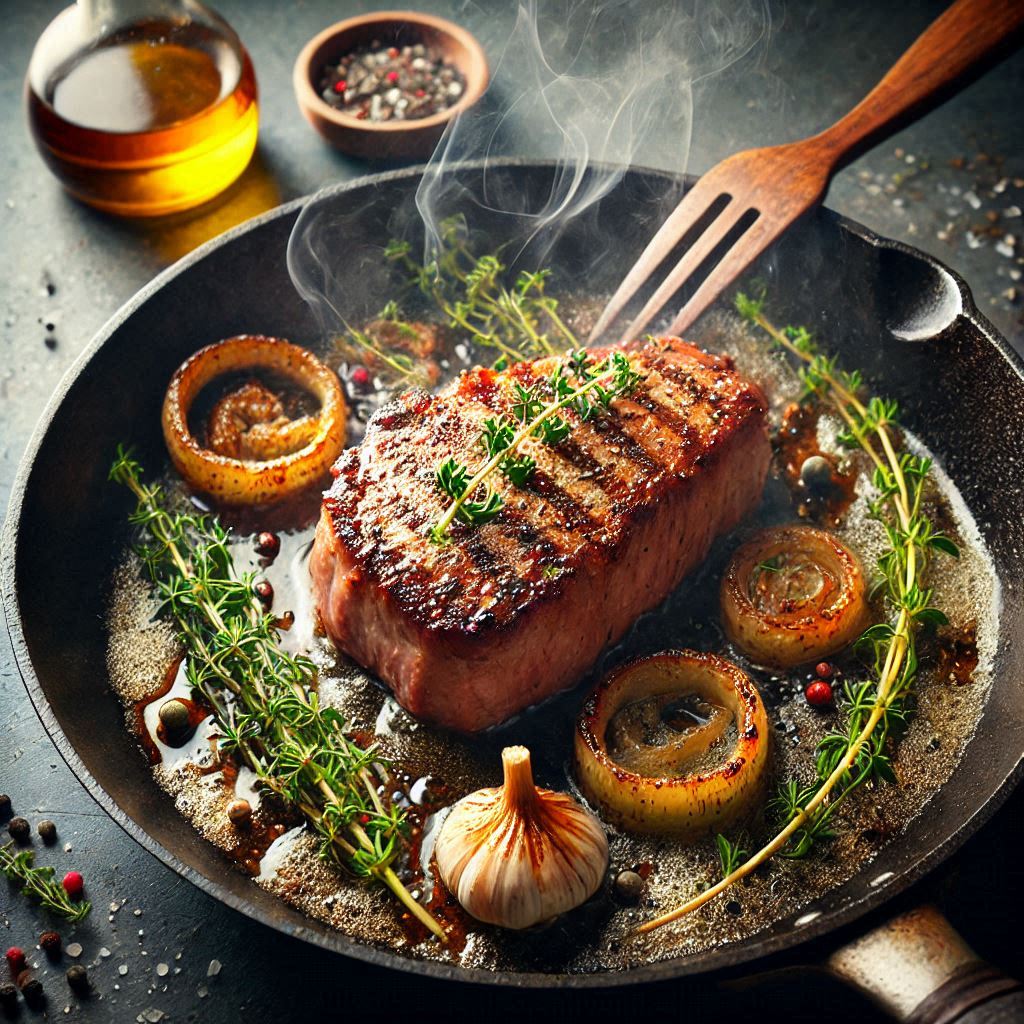
Searing locks in flavor and creates the coveted golden-brown crust on meats, seafood, and even vegetables. The process involves applying high, direct heat to caramelize the surface of food.
Start by patting your meat dry, seasoning it, and heating your pan until it’s smoking hot. Use an oil with a high smoke point, like canola or avocado oil, to prevent burning. Lay the meat in the pan without overcrowding—it needs space to develop that crust.
Let it cook undisturbed for a few minutes before flipping. Searing is key for steaks, pork chops, and chicken breasts, but it’s also the first step for dishes like braised short ribs or pan-roasted vegetables.
3. Grilling
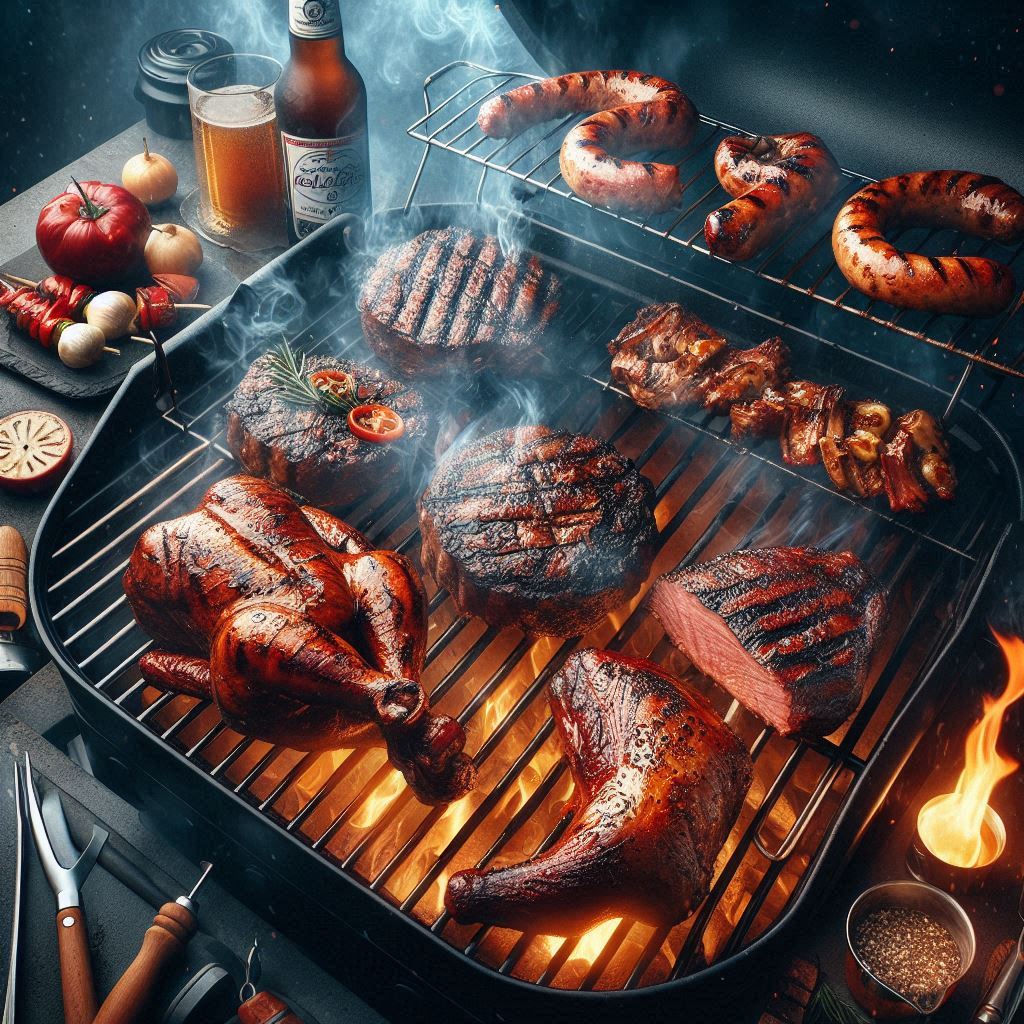
Grilling is an essential skill for creating smoky, charred dishes that scream flavor. Master the basics of direct and indirect heat on your grill.
Direct heat is great for quick-cooking items like burgers and steaks, while indirect heat is perfect for larger cuts like whole chickens or brisket. Invest in a good thermometer to ensure your meats hit the right internal temperature.
Practice controlling the heat by adjusting vents or moving food to cooler zones. Don’t limit yourself to meat—grill vegetables, fruits, and even pizzas for unique flavors. Clean your grill grates regularly, and always let your meat rest.

4. Roasting
Roasting transforms simple ingredients into complex, flavorful dishes. It’s perfect for vegetables, whole chickens, or cuts of meat like pork tenderloin. Preheat your oven and use a roasting pan or baking sheet with a rack to elevate the food for even cooking.
Coat your ingredients lightly with oil, season generously, and arrange them in a single layer. Use high heat (375°F–450°F) to caramelize the natural sugars in vegetables or brown the exterior of meats.
Halfway through, flip or stir your ingredients to ensure even roasting. For large cuts of meat, use a thermometer to check doneness and let it rest before slicing to retain juices.
5. Making a Pan Sauce
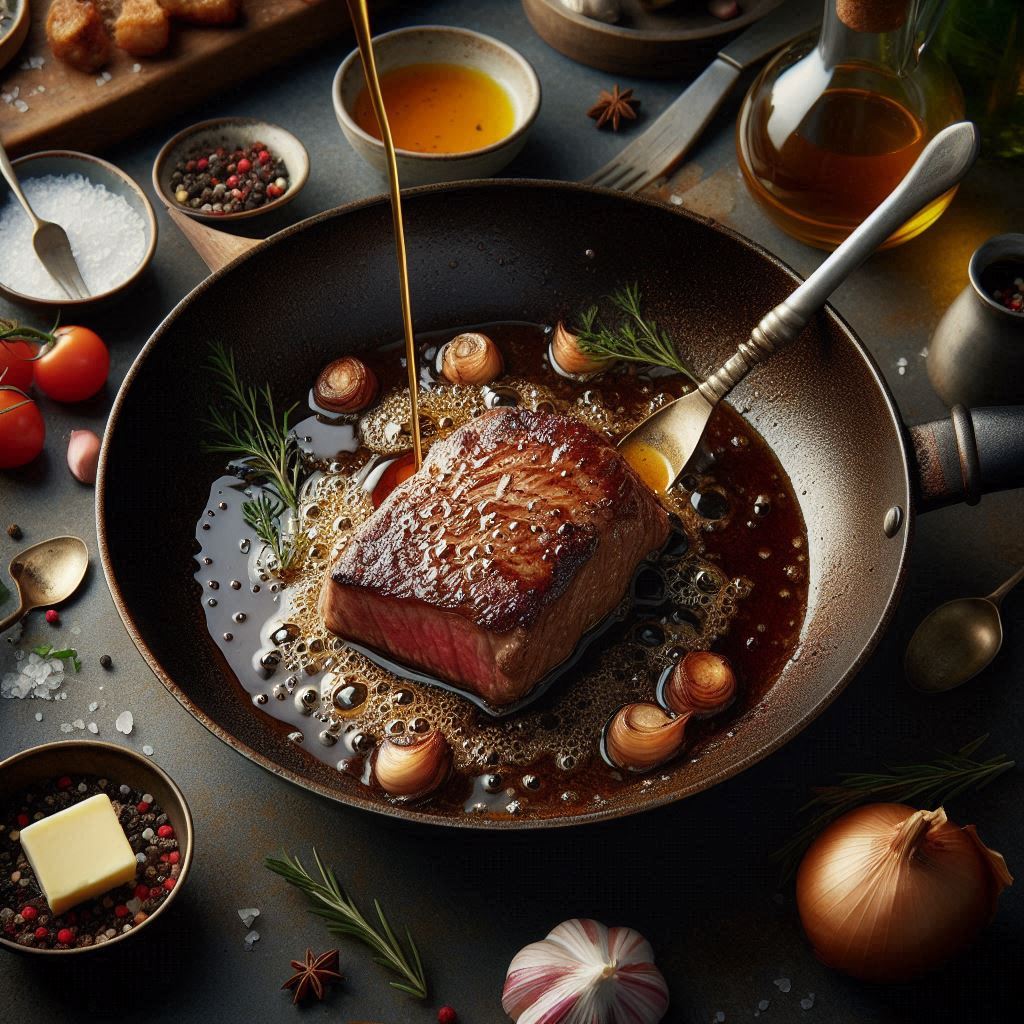
A pan sauce can take a meal from ordinary to extraordinary. After searing meat, don’t toss the browned bits (fond) left in the pan—that’s where the flavor lives.
Deglaze the pan with a liquid like wine, stock, or even water, scraping the bottom to release those caramelized bits. Reduce the liquid until it thickens, then add a pat of butter for richness and shine.
You can also add aromatics like garlic, shallots, or herbs for more depth. A good pan sauce is perfect for pouring over steaks, chicken, or even vegetables. It’s a simple yet professional touch that elevates your cooking.
6. Boiling and Simmering
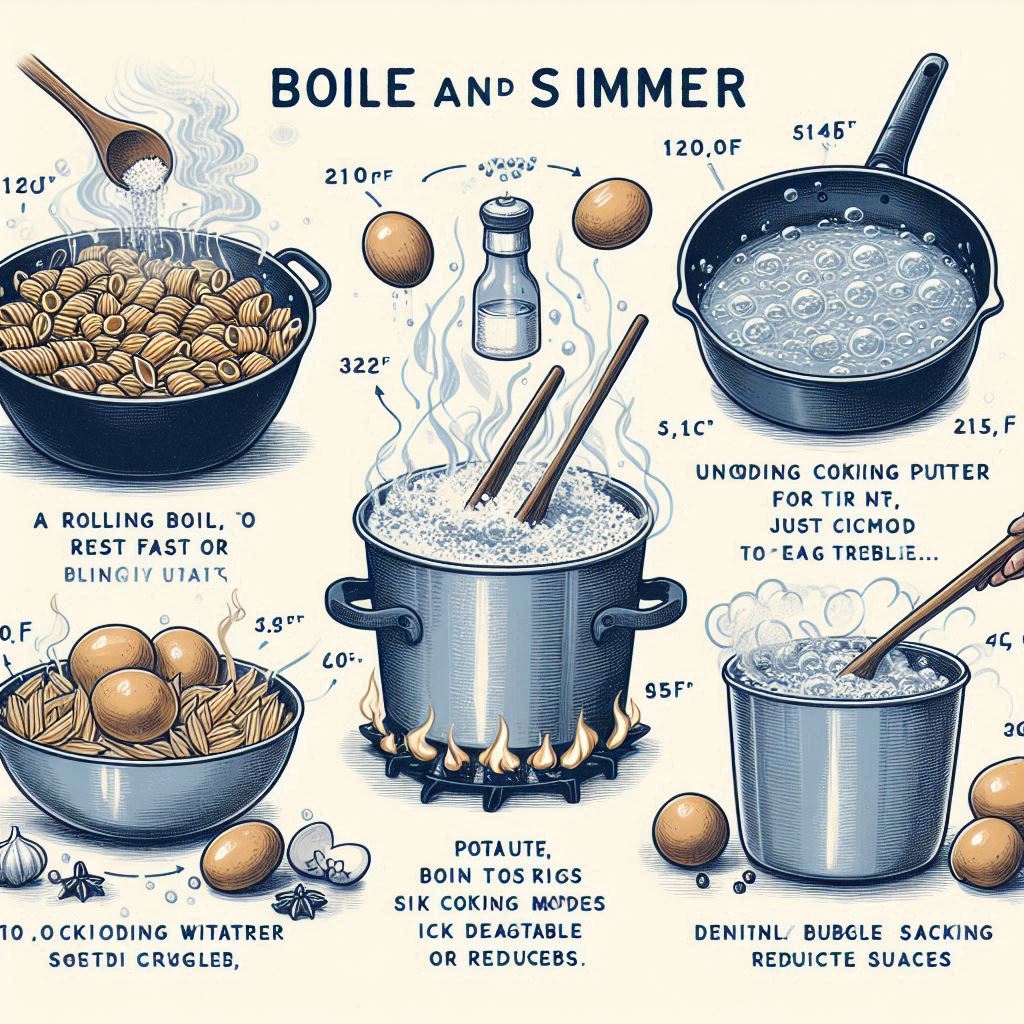
Understanding how to boil and simmer properly is essential for everything from cooking pasta to making soups and sauces.
A rolling boil is best for pasta, potatoes, or blanching vegetables, while a gentle simmer works for delicate tasks like poaching eggs, cooking grains, or reducing sauces. To boil, heat water to 212°F (100°C); for a simmer, aim for small bubbles just below the surface (180°F–200°F).
Adding salt to boiling water enhances the flavor of pasta and vegetables, while controlling the heat during simmering prevents overcooking or breaking down ingredients. Knowing when to use each technique ensures perfect textures and flavors.
7. Sous Vide Basics
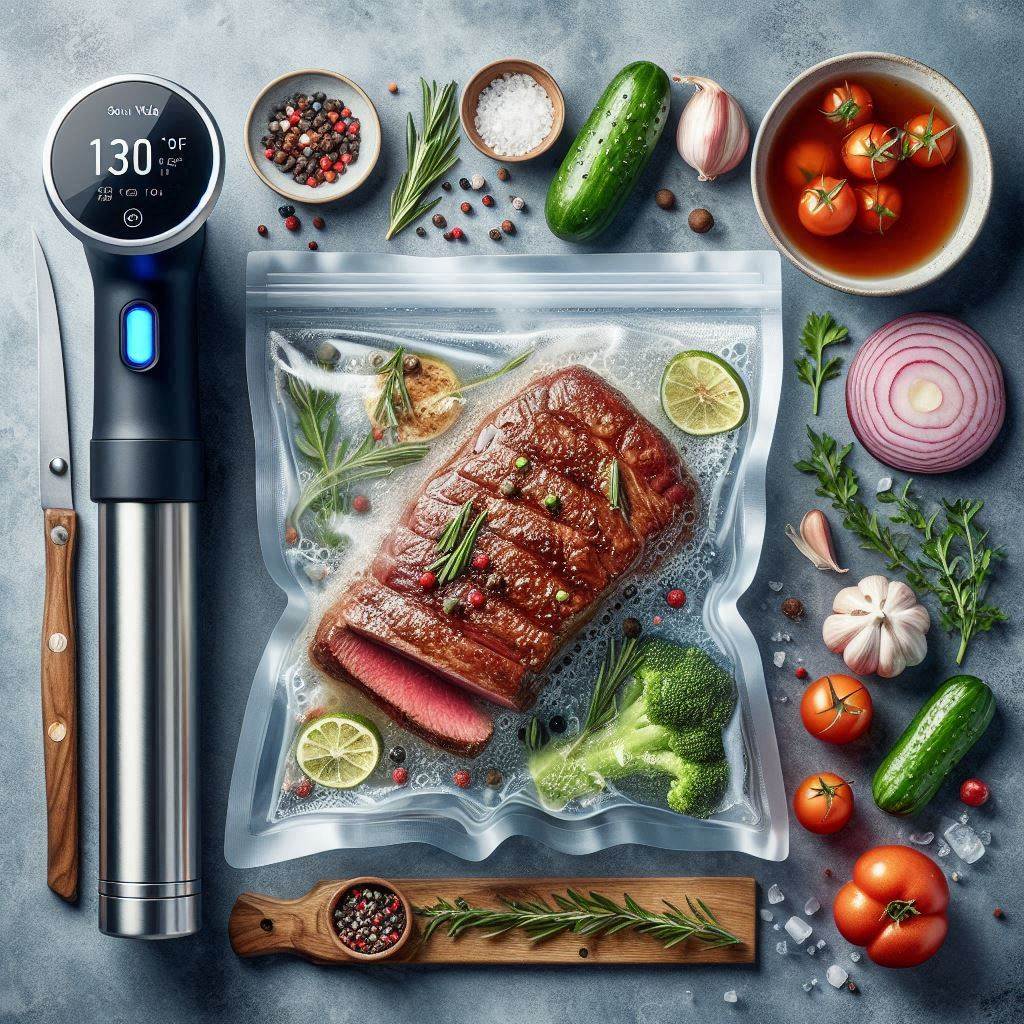
Sous vide is a modern technique that guarantees perfectly cooked food every time. It involves sealing food in a vacuum bag and cooking it in a water bath at a precise temperature.
The result? Juicy, tender meats, and evenly cooked vegetables. Start with a sous vide machine, which heats the water to your desired temperature. For steak, set the water to 130°F for medium-rare and let it cook for 1–2 hours.
Afterward, quickly sear it for a flavorful crust. Sous vide is also great for eggs, fish, and even desserts like custards. It’s foolproof and ensures consistent results with minimal effort.
8. Braising
Braising is a slow-cooking method that transforms tough cuts of meat into tender, flavorful dishes.
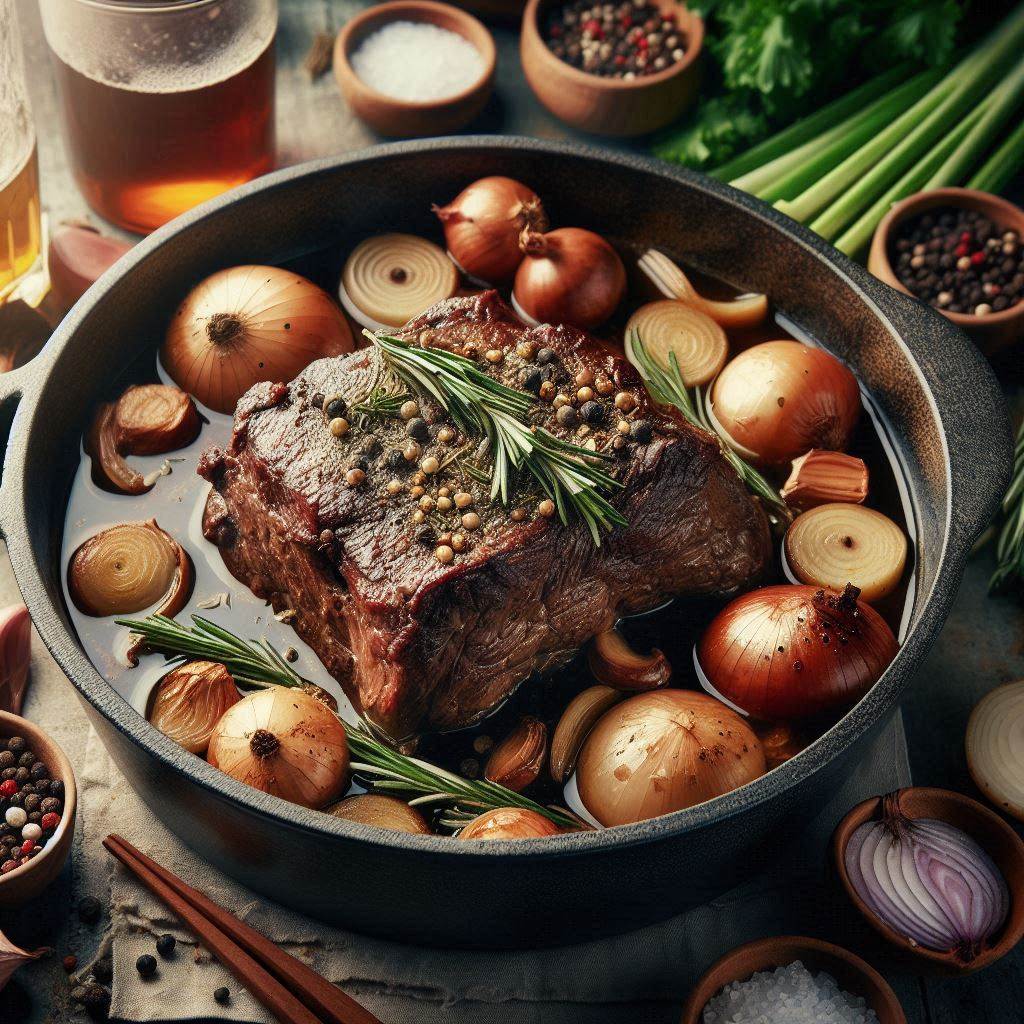
It starts with searing the meat to develop flavor, followed by slow cooking in a liquid, such as stock, wine, or beer, along with aromatics like onions, garlic, and herbs. Use a heavy pot, like a Dutch oven, to retain heat and distribute it evenly.
Cover and cook on low heat (either on the stovetop or in the oven) for hours until the meat is fork-tender. Braising is perfect for dishes like pot roast, beef short ribs, or coq au vin. It’s a technique that rewards patience with rich, hearty results.

9. Egg Mastery
Eggs are the ultimate test of a cook’s skill. Learn to scramble them soft and creamy by cooking on low heat and stirring constantly.
Fry them sunny-side-up with crisp edges by heating the pan first, then lowering the heat for even cooking. Poaching eggs requires adding a splash of vinegar to simmering water and gently lowering the egg in for a perfectly set white and runny yolk.
For soft-boiled eggs, boil for six minutes, then cool in ice water for easy peeling. Eggs are versatile, quick, and form the backbone of countless dishes—mastering them is a must for any home chef.

10. Plating & Presentation
Plating is the art of making food look as good as it tastes. Start with a clean plate and build layers, arranging the food to create height and balance.
Use garnishes sparingly, like fresh herbs or a drizzle of sauce, to add color and flair. Contrast is key—play with textures, colors, and shapes to make the dish visually appealing.
Avoid overcrowding the plate; leave white space to focus attention on the food. Even a simple meal can look professional with thoughtful plating, and it’s a skill that impresses guests and enhances the dining experience. Cooking is art—presentation is part of the masterpiece.





You must be logged in to post a comment.