Five Essential Spices for Every Kitchen (and How to Use Them)

Flavor Ritual

Five Essential Spices for Every Kitchen (and How to Use Them)

🎬 Introduction: A Flavor Toolbox

Building a spice collection can feel overwhelming when faced with dozens of exotic names and enticing aromas. Instead of trying to acquire everything at once, start with a core set of spices that offer versatility across cuisines. These essential seasonings serve as the foundation for countless dishes, allowing you to experiment and learn without cluttering your pantry. Once you’ve mastered them, expanding to more specialized spices becomes intuitive. The following sections introduce five indispensable spices and explore their characteristics, uses and pairings.


🌶️ Cumin: Warmth and Earthiness

  • Flavor Profile – Cumin seeds impart a deep, earthy warmth with nutty undertones and a hint of citrus. Their aroma is unmistakable, often associated with both Mexican chilies and Indian curries. When toasted, cumin’s flavor intensifies, revealing a smoky complexity. Freshly ground cumin offers a bright top note that pre‑ground powder often lacks. This spice is essential for adding depth to savory dishes without overwhelming other flavors.

  • Culinary Uses – Cumin is a workhorse spice in global cooking. In Mexican cuisine, it anchors chili con carne, enchilada sauce and taco seasoning. Middle Eastern dishes like hummus and falafel rely on cumin for their distinctive taste. In Indian cooking, cumin seeds sizzle in hot oil to start curries and dals, releasing fragrance that permeates the dish. Cumin even appears in breads and cheeses in some European recipes, demonstrating its versatility.

  • Pairings – Cumin pairs well with coriander, chili, garlic and tomato. These combinations form the backbone of many spice blends, including garam masala and ras el hanout. It also complements ingredients like lamb, chickpeas and squash. Experiment by adding toasted cumin to roasted vegetables or yogurt dips for a surprising twist. Its earthy richness balances bright citrus and fresh herbs, making it ideal for marinades and salad dressings.

🫑 Smoked Paprika: Deep and Smoky

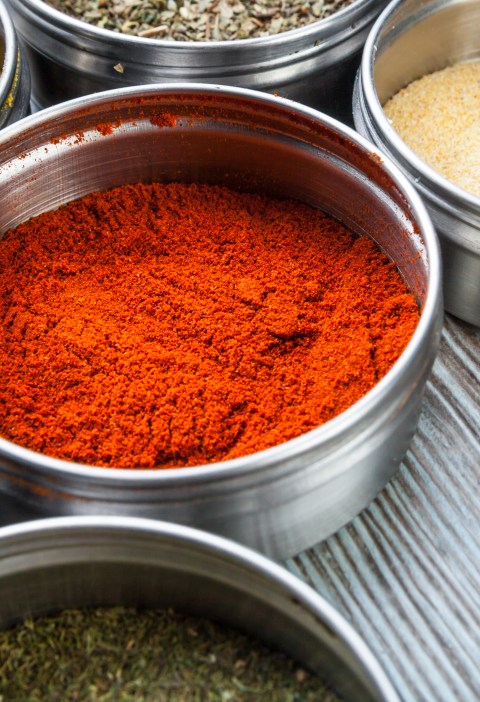
  • Flavor Profile – Smoked paprika, or pimentón, is made from peppers that are dried and smoked over wood fires, often oak. The result is a vibrant red powder with a rich, smoky aroma and mild sweetness. Unlike hot paprika, its heat level is minimal; instead, it adds depth and color. The smokiness recalls grilled foods, making it useful when you want barbecue flavor without a grill. Its striking hue also enhances the visual appeal of dishes.

  • Culinary Uses – In Spain, smoked paprika is fundamental to chorizo sausage, paella and patatas bravas. Hungarian goulash and chicken paprikash feature it prominently for their characteristic color and taste. Sprinkle it on deviled eggs, roasted potatoes or popcorn for a savory upgrade. Blend it into rubs for ribs or brisket, or stir it into mayo for a smoky aioli. Even vegetarian dishes benefit from smoked paprika’s robust profile.

  • Pairings – Smoked paprika pairs beautifully with garlic, cumin and oregano, forming the flavor base of many Mediterranean dishes. It balances the sweetness of caramelized onions and the acidity of tomatoes. Try it with chickpeas, lentils or roasted nuts for a satisfying snack. A pinch of smoked paprika in chocolate desserts or hot cocoa adds intrigue. Its compatibility with creamy dairy makes it perfect for cheese sauces and dips.

🌕 Turmeric: Golden Earthiness

  • Flavor Profile – Turmeric delivers a warm, earthy flavor with subtle bitterness and a mustard‑like aftertaste. Its vibrant yellow color comes from curcumin, a compound also noted for its health benefits. The spice’s scent is slightly gingery and peppery when fresh. Too much turmeric can overpower a dish, but used judiciously, it imparts complexity and color. Powdered turmeric is convenient, but fresh rhizomes offer a brighter, more pungent aroma.

  • Culinary Uses – Turmeric is essential in Indian curries, where it lends color and acts as a mild base note. In Indonesian cuisine, it flavors rice dishes like nasi kuning and forms part of spice pastes. Middle Eastern pickles often include turmeric for both taste and preservation. Outside traditional contexts, turmeric is used in smoothies, lattes and baked goods for its health halo. Its earthy tones complement root vegetables, lentils and leafy greens.

  • Pairings – Turmeric marries well with cumin, coriander, ginger and black pepper. Black pepper, in particular, enhances curcumin absorption in the body. Combine turmeric with coconut milk and lime for Southeast Asian curries. Pair it with citrus or honey to offset its bitterness in drinks and desserts. A pinch of turmeric in scrambled eggs provides color and a gentle spice note. Its versatility extends to savory stocks and vegetable broths.

🌶️ Chili Powder: Heat and Complexity

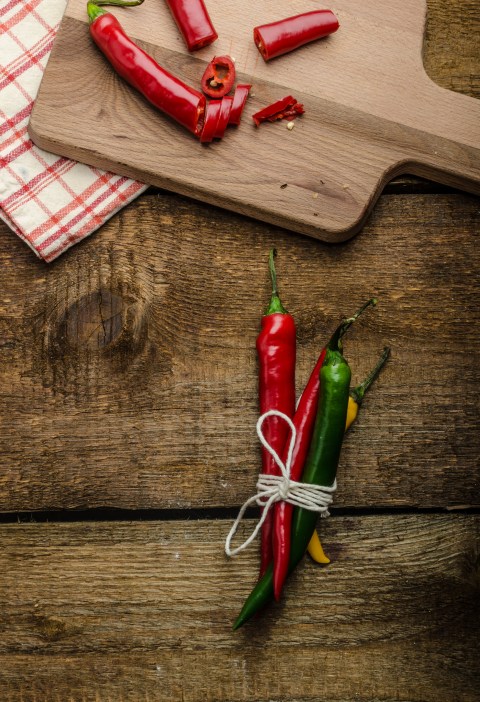
  • Flavor Profile – Chili powder is typically a blend of dried chilies, cumin, garlic powder, oregano and sometimes paprika. Its heat level varies by brand and composition, ranging from mild warmth to fiery punch. The blend adds more than just spice; it contributes depth and fragrance. A well-balanced chili powder should deliver a smoky aroma, slight sweetness and a lingering heat. Using a blend saves time and ensures consistent flavor.

  • Culinary Uses – Chili powder is indispensable in Tex‑Mex cuisine, including chili con carne, fajitas and enchiladas. Sprinkle it on roasted corn, sweet potatoes or avocado toast for a kick. Use it to season ground meat for tacos or burgers. It also enhances soups, stews and marinades with a complex heat. For a quick snack, toss nuts or popcorn with chili powder and a touch of sugar.

  • Pairings – Chili powder pairs well with cumin, coriander and cocoa, creating deep, earthy profiles. It balances the sweetness of brown sugar in barbecue sauces. Combine it with lime juice and honey for a zesty glaze on grilled chicken or shrimp. Add it to chocolate desserts for a Mexican twist. Its synergy with tomatoes and beans makes it a natural choice for chili and bean salads.

💡 Bonus Tip: Label and Date

Mark purchase or grind dates on your containers. Rotate older stock to the front so you use it first. A little organization goes a long way toward preserving flavor.

🌿 Coriander: Citrusy Floral

  • Flavor Profile – Coriander seeds offer a bright, citrusy flavor with floral notes, distinct from the pungency of cilantro leaves. When toasted, the seeds develop nutty, warm undertones. The aroma hints at orange peel and ginger. Ground coriander is more subtle than whole seeds, making it ideal for spice blends and baking. It adds a gentle lift rather than a dominating presence.

  • Culinary Uses – In Indian cuisine, coriander seeds join cumin to form the backbone of garam masala and curry powders. Middle Eastern dishes like falafel and za’atar use coriander for zest and brightness. Mexican salsas and spice rubs rely on coriander’s citrus notes to balance heat. It also appears in European pickling spice mixes and Scandinavian pastries. Sprinkle ground coriander over roasted carrots or squash for an elegant finish.

  • Pairings – Coriander pairs harmoniously with cumin, ginger, garlic and lemon. It enhances the flavor of poultry and fish without overpowering them. Try it with roasted beets, carrots or sweet potatoes to amplify their natural sweetness. Combined with cardamom and cinnamon, coriander brings a complex warmth to baked goods. Freshly ground coriander with sea salt and lime zest makes a quick seasoning for seafood or salads.

🧠 Blooming, Grinding and Layering

  • Blooming Technique – Heating spices in fat before adding other ingredients—known as blooming—releases their essential oils and deepens flavor. This method is common in Indian cooking, where spices are added to hot ghee at the start of a dish. The fat acts as a carrier, distributing the spices evenly. Blooming is especially beneficial for cumin, coriander and turmeric. It prevents powders from tasting raw and brings out their complexity.

  • Grinding Fresh – Grinding spices moments before cooking preserves volatile oils that dissipate quickly once exposed to air. A dedicated spice grinder or mortar and pestle makes this simple. Whole spices like cumin and coriander can be roasted and then ground for maximum potency. Freshly ground spices offer a brighter, more nuanced profile than store‑bought powders. Once ground, store them in small batches to maintain freshness.

  • Layering Flavors – Using spices at different stages of cooking builds complexity. Start with whole spices to infuse oil, then add ground spices later to deepen the dish. Finishing with a sprinkle of raw spices or a squeeze of lime accentuates high notes. Layering prevents monotony and ensures that each bite delivers new nuances. Practice layering by cooking a simple curry, adjusting spice additions at various steps.

🍽️ Everyday Applications

  • Breakfast Boost – Add a pinch of turmeric and cumin to scrambled eggs for color and warmth. Sprinkle smoked paprika over avocado toast or roasted potatoes for a smoky breakfast twist. Blend chili powder into a breakfast sausage mix for a spicy kick. These simple additions elevate familiar foods without overwhelming them. Over time, you’ll develop an instinct for which spices complement your morning favorites.

  • Quick Marinades – Stir cumin, coriander and chili powder into olive oil with lemon juice and garlic. Coat chicken, fish or tofu with the mixture and let sit for 30 minutes before cooking. Turmeric and yogurt make a tenderizing base for tandoori‑style dishes. Create a smoky rub by mixing smoked paprika with brown sugar and salt for steak or ribs. Marinades infuse proteins with flavor while keeping them juicy.

  • Roasted & Grilled Veggies – Toss cauliflower, carrots or sweet potatoes with turmeric, smoked paprika and a drizzle of olive oil. Roast until caramelized and finish with fresh coriander and a squeeze of lime. For grilled corn, slather ears with chili‑lime butter and sprinkle with smoked paprika. Combining spices with different cooking methods highlights their versatility. Don’t forget to season with salt to enhance all the spice flavors.

📚 Building Your Blend

  • Start Small – Experiment with combining two or three of the core spices before attempting complex blends. Equal parts cumin and coriander make a versatile base for many dishes. Add smoked paprika for a Mediterranean flair or chili powder for Mexican‑inspired meals. Keeping blends simple at first helps you understand each spice’s contribution. Adjust ratios based on your taste preferences.

  • Record Ratios – When you create a blend that you love, write down the exact measurements. Jotting notes in a cooking journal or on labels ensures you can replicate successes. Share your favorite combinations with friends or online communities to inspire others. Over time, you’ll build a personalized repertoire of blends tailored to your cooking style. Documenting blends also allows you to refine them as your palate evolves.

  • Customizing Heat – Adjusting the level of chili powder in a blend controls the overall heat without altering other flavors. For a mild blend, keep chili powder low and emphasize smoked paprika and coriander. For more heat, increase chili powder or add cayenne. Remember that heat compounds over time; taste your blend before adding more spice. Using different chili powders—like ancho or chipotle—can also change the flavor profile.

📝 Closing Reflection

These five spices offer a gateway to cooking with confidence and creativity. By understanding their distinct personalities, learning how to bloom and grind them and experimenting with pairings, you empower yourself to craft delicious meals from diverse cuisines. A core spice collection doesn’t limit your culinary journey—it provides a solid foundation from which you can explore the vast world of flavor. Approach your spice rack with curiosity and respect, and you’ll discover endless possibilities in every jar.

Essential Cooking Techniques
Chef Sagittarius

Steam, Don’t Scream: The Post-Cook Grain Ritual

🍚 Why Patience Makes Perfect Grains Rice, quinoa, couscous—grains aren’t finished when the timer dings. Their last stage is off the heat, under a lid. This quiet ritual is what separates gummy mush from fluffy perfection. 🍚 Steam, Don’t Scream: The Post-Cook Grain Ritual By The Editorial Team at Home Chefs United NewswireSeptember 25, 2025

Read More »
Essential Cooking Techniques
Chef Sagittarius

Taste Early, Taste Often: The Golden Rule of Flavor Control

👅 The Rule Every Chef Lives By Great cooking isn’t about following instructions word-for-word—it’s about adjustments. The only way to know what a dish needs is to taste along the way. Chefs swear by this habit, and it’s the difference between food that’s fine and food that’s unforgettable. 👅 Taste Early, Taste Often: The Golden

Read More »
Essential Cooking Techniques
Chef Sagittarius

Room Temperature Rules: The Secret to Better Baking and Searing

. 🧈 Why Temperature Changes Everything From cookies that bake evenly to steaks that sear with confidence, starting at room temperature is the simplest rule that separates home cooks from professionals. It’s not fussy—it’s science. 🧈 Room Temperature Rules: The Secret to Better Baking and Searing By The Editorial Team at Home Chefs United NewswireSeptember

Read More »
Essential Cooking Techniques
Chef Sagittarius

How to Read a Recipe Like a Pro (Before You Cook)

🥕 Stop Surprises Before They Start Most cooking disasters don’t come from bad pans or weak seasoning—they come from us jumping into a recipe blind. Pros read recipes like pilots scan flight plans. Here’s how to do the same at home. 🥕 The Power of Mise en Place By The Editorial Team at Home Chefs

Read More »
Essential Cooking Techniques
Chef Sagittarius

The Power of Mise en Place: Why Chefs Swear by It

🥕 The Secret Weapon Behind Every Great Kitchen Mise en place—“everything in its place”—isn’t just chef lingo. It’s a mindset. When your kitchen is organized before you turn on the stove, cooking stops being stressful and starts being enjoyable. 🥕 The Power of Mise en Place By The Editorial Team at Home Chefs United NewswireSeptember

Read More »
Kitchen Confessional
Chef Sagittarius

Pantry Confessions: What’s Lurking Behind the Door

🥫 What Your Pantry Really Says About You Your pantry isn’t just food storage—it’s a personality test. From quinoa you never cooked to the hot sauces you bragged about but never touched, every item tells a story. 🥣 Your pantry is less about what you eat and more about what you intend to eat. By
Read More »
x

Lost Password

Discover more from Home Chefs United

Subscribe now to keep reading and get access to the full archive.

Continue reading