🍽️ Introduction: Beyond Basic Poultry
Roast chicken is a staple in many households, but with a few techniques and seasonings it can rise from comfort food to culinary centerpiece. Brining and rubbing with herbs and spices ensure deep flavor and succulent texture. These methods are easy to master and deliver consistent results. By understanding how salt and aromatics interact with poultry, you can tailor each roast to your taste. Let’s explore how to make roast chicken that’s worthy of special occasions, yet simple enough for a weeknight.
🧂 The Science of Brining
Moisture Retention – Brining helps chicken retain moisture during roasting. Salt dissolves in water and diffuses into the meat, altering muscle proteins so they can hold onto more liquid. This prevents drying out and results in juicier meat. Sugar in the brine enhances browning and balances the salt. Aromatics like bay leaves and peppercorns infuse subtle flavor throughout.
Wet Brine Basics – Dissolve 1/4 cup kosher salt and 1/4 cup sugar in 2 quarts of water. Add smashed garlic, peppercorns, lemon slices and herbs. Submerge the chicken and refrigerate for 8–12 hours. For large birds, refrigerate up to 24 hours. Rinse and pat dry thoroughly before roasting. Wet brining takes planning but yields remarkably juicy results.
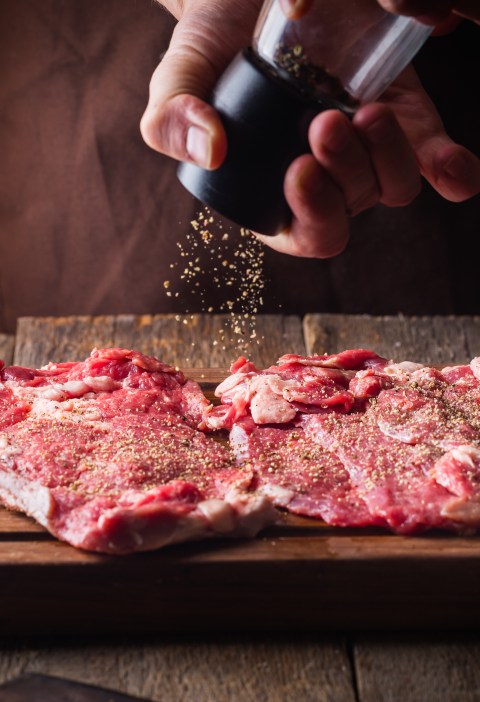
Dry Brine Alternative – Dry brining involves rubbing salt and spices directly onto the chicken’s skin and flesh. Use about 1 tablespoon of kosher salt per 4 pounds of chicken. Mix with dried herbs like thyme, sage and rosemary. Refrigerate uncovered for 12–24 hours. The salt draws out moisture, which then dissolves the salt and is reabsorbed, seasoning the meat. Dry brining crisps the skin without the mess of a liquid brine.
🌿 Herb and Spice Rubs
Mediterranean Mix – Combine chopped rosemary, thyme and oregano with minced garlic, lemon zest, olive oil and sea salt. Work the mixture under the skin and over the exterior. The herbs’ oils infuse the meat while lemon zest brightens the flavor. Olive oil helps conduct heat, promoting a crisp, golden skin. This rub complements vegetables like potatoes and carrots roasted alongside the chicken.
Moroccan Blend – Create a spice paste with ground cumin, coriander, paprika, turmeric, cinnamon, ginger and a pinch of cayenne. Add minced garlic, lemon juice and olive oil until spreadable. Massage this mixture thoroughly over and under the skin. The spices form an aromatic crust that perfumes the kitchen as it roasts. Serve with couscous or flatbread to capture the flavorful juices.
Citrus–Herb Butter – Mix softened butter with chopped parsley, chives, tarragon and the zest of one orange or lemon. Season with salt and pepper. Carefully loosen the chicken skin and spread the butter directly onto the meat. The butter melts into the flesh, basting it with fat and flavor. The herbs and citrus provide freshness, while the butter ensures tenderness. Use any leftover butter on roasted vegetables.
🔥 Roasting Techniques for Success
High‑Heat Start – Begin roasting at a high temperature (450 °F / 232 °C) for the first 15 minutes to crisp the skin. Then lower the oven to 350 °F (177 °C) to finish cooking gently. The initial blast of heat renders fat quickly and helps develop a beautifully brown, crackling skin. Lower heat prevents the interior from drying before the skin is done. Use a meat thermometer to monitor doneness.
Flip for Moisture – Position the chicken breast‑side down for the first half of roasting. This allows juices to flow into the lean breast meat, keeping it moist. Carefully flip it halfway through so the breast finishes facing up, ensuring even browning. Use kitchen towels or silicone mitts to handle the hot bird. This technique makes a notable difference in juiciness.
Rest and Carve – Let the chicken rest for at least 15 minutes after removing it from the oven. Resting allows juices to redistribute, preventing them from spilling out when carved. Tent loosely with foil to retain warmth. Use a sharp knife or kitchen shears to carve, starting with the legs and wings and finishing with the breast. Serve on a warm platter with juices spooned over.
🍷 Making Pan Sauces
Deglaze the Pan – After removing the chicken, place the roasting pan over medium heat. Pour in a half cup of white wine, vermouth or stock to loosen browned bits stuck to the bottom. These caramelized morsels are packed with flavor. Scrape with a wooden spoon until the liquid reduces slightly. This forms the base of your pan sauce.
Reduce and Season – Add a cup of chicken stock and bring to a simmer. Stir in minced shallots or garlic and fresh herbs such as thyme or parsley. Reduce the liquid by half until it coats the back of a spoon. Season with salt and pepper, taste and adjust acidity with a squeeze of lemon if needed. For a richer sauce, whisk in a tablespoon of butter just before serving.
Customize the Flavor – For a mustard pan sauce, whisk in a teaspoon of Dijon after reducing. Add cream for a velvety texture, or stir in chopped olives and capers for a Mediterranean twist. A splash of balsamic vinegar adds sweetness and depth. Pan sauces are incredibly versatile, allowing you to tailor flavors to the seasonings used on the chicken. Pour the sauce over carved pieces and enjoy.
🍗 Using Leftovers Creatively
Shredded Chicken Dishes – Remove leftover meat from the bones and shred with two forks. Use it in tacos, enchiladas or pasta dishes. Mix with mayonnaise, Dijon and herbs for chicken salad sandwiches. Add shredded chicken to soups or casseroles for quick weeknight meals. Roasted chicken flavors intensify overnight, making leftovers even more delicious.
Rich Stocks and Broths – Simmer the carcass with onions, carrots, celery, bay leaves and peppercorns for several hours. Strain, cool and skim the fat for a deeply flavored stock. Use this stock as a base for soups, risottos or sauces. Freeze in portions for later use. Homemade chicken stock is a cook’s secret weapon, adding richness to any dish.
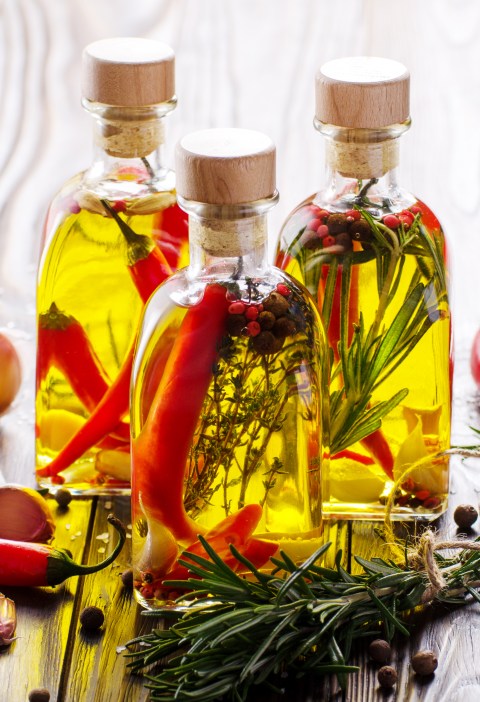
Creative Salads – Toss cold, chopped roast chicken with mixed greens, roasted vegetables and a bright vinaigrette. Add nuts, seeds and dried fruit for texture. Dress with infused oils or vinegars from earlier sections. Incorporate grains like quinoa or farro for a filling meal. The contrast of savory chicken and crunchy salad components makes leftovers feel new.
🌿 Complementary Herb Pairings
Sage & Thyme – These woody herbs lend depth and earthiness, perfect for autumnal roasts with root vegetables. Combine chopped sage and thyme with butter or oil and brush over the chicken before roasting. Their oils permeate the meat and harmonize with side dishes like squash or parsnips. Add additional sprigs inside the cavity for extra aroma.
Tarragon & Lemon – The subtle anise flavor of tarragon pairs beautifully with citrus for a lighter, springtime roast. Create a rub with chopped tarragon, grated lemon zest, garlic and olive oil. Stuff a halved lemon inside the cavity to infuse the meat from within. Serve with a salad of young greens dressed in lemon vinaigrette. This combination feels fresh and elegant.
Oregano & Paprika – For a Mediterranean twist, rub the chicken with dried oregano, smoked paprika, garlic powder and olive oil. The smoky, herbal crust develops a beautiful color and robust flavor. Serve with roasted peppers, onions and tomatoes. Finish with a drizzle of good olive oil and a squeeze of lemon. This pairing evokes Spanish and Greek flavors.
📏 Timing, Equipment and Safety
Use a Thermometer – Don’t rely solely on cooking time. Insert an instant‑read thermometer into the thickest part of the thigh without touching bone. The chicken is done when it registers 165 °F (74 °C). Overcooking leads to dry meat; undercooking risks foodborne illness. A good thermometer ensures both safety and quality.
Choose the Right Pan – A heavy roasting pan conducts heat evenly and prevents burning. A rack elevates the chicken, allowing air circulation for crisp skin. If you don’t have a rack, rest the chicken on a bed of vegetables. Cast iron skillets also work well, doubling as serving vessels. Make sure handles are oven‑safe.
Safe Handling – Always wash hands, utensils and surfaces after touching raw poultry. Keep raw chicken separate from other foods. Sanitize cutting boards with hot, soapy water or a bleach solution. Dispose of brine safely and wash containers thoroughly. Proper food safety practices prevent cross‑contamination and keep your kitchen healthy.
📝 Closing Reflection
Mastering the art of roasting chicken transforms a humble bird into a showpiece. Brining and seasoning create layers of flavor that permeate every bite, while proper roasting techniques ensure tenderness and crisp skin. Pan sauces and thoughtful leftovers extend the enjoyment beyond the initial meal. With practice and attention to detail, roast chicken becomes more than just dinner—it becomes a ritual of care and celebration. Serve it proudly, share it generously and savor the satisfaction of a well‑seasoned, perfectly cooked roast.

Steam, Don’t Scream: The Post-Cook Grain Ritual
🍚 Why Patience Makes Perfect Grains Rice, quinoa, couscous—grains aren’t finished when the timer dings. Their last stage is off the heat, under a lid. This quiet ritual is what separates gummy mush from fluffy perfection. 🍚 Steam, Don’t Scream: The Post-Cook Grain Ritual By The Editorial Team at Home Chefs United NewswireSeptember 25, 2025
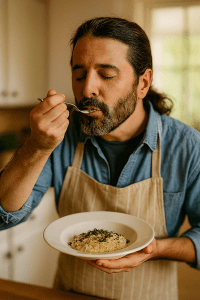
Taste Early, Taste Often: The Golden Rule of Flavor Control
👅 The Rule Every Chef Lives By Great cooking isn’t about following instructions word-for-word—it’s about adjustments. The only way to know what a dish needs is to taste along the way. Chefs swear by this habit, and it’s the difference between food that’s fine and food that’s unforgettable. 👅 Taste Early, Taste Often: The Golden
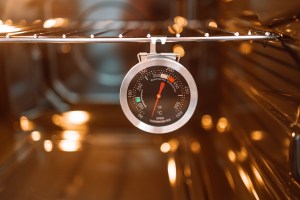
Room Temperature Rules: The Secret to Better Baking and Searing
. 🧈 Why Temperature Changes Everything From cookies that bake evenly to steaks that sear with confidence, starting at room temperature is the simplest rule that separates home cooks from professionals. It’s not fussy—it’s science. 🧈 Room Temperature Rules: The Secret to Better Baking and Searing By The Editorial Team at Home Chefs United NewswireSeptember

How to Read a Recipe Like a Pro (Before You Cook)
🥕 Stop Surprises Before They Start Most cooking disasters don’t come from bad pans or weak seasoning—they come from us jumping into a recipe blind. Pros read recipes like pilots scan flight plans. Here’s how to do the same at home. 🥕 The Power of Mise en Place By The Editorial Team at Home Chefs

The Power of Mise en Place: Why Chefs Swear by It
🥕 The Secret Weapon Behind Every Great Kitchen Mise en place—“everything in its place”—isn’t just chef lingo. It’s a mindset. When your kitchen is organized before you turn on the stove, cooking stops being stressful and starts being enjoyable. 🥕 The Power of Mise en Place By The Editorial Team at Home Chefs United NewswireSeptember
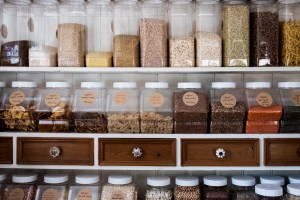
Pantry Confessions: What’s Lurking Behind the Door
🥫 What Your Pantry Really Says About You Your pantry isn’t just food storage—it’s a personality test. From quinoa you never cooked to the hot sauces you bragged about but never touched, every item tells a story. 🥣 Your pantry is less about what you eat and more about what you intend to eat. By
You must be logged in to post a comment.