
Herbs and Spices in Baking: Beyond Cinnamon and Nutmeg
🌿 Fresh Herbs in Sweet Creations
Thyme in Citrus Desserts – Fresh thyme’s lemony aroma adds complexity to citrus pastries. Stir chopped leaves into lemon bar fillings to create a herbal counterpoint to tangy sweetness. Pair thyme with orange zest in shortbread cookies for a fragrant twist. Even a simple pound cake can become extraordinary with a thyme‑infused syrup drizzle. The herb’s subtle savory note balances sugar, making desserts more nuanced.
Rosemary and Fruit – Rosemary’s piney fragrance pairs beautifully with stone fruits and berries. Fold finely chopped rosemary into peach cobbler topping or sprinkle sprigs over roasted plums for a rustic tart. Add rosemary to lemon curd or panna cotta to turn a classic into a sophisticated treat. Be mindful of quantity; too much rosemary can overpower. Start with small amounts and adjust to taste.
Lavender Elegance – Lavender buds lend a delicate floral note reminiscent of French patisseries. Grind dried lavender with sugar, then cream it into butter to infuse cookies or shortbread. Add a pinch to cream for lavender whipped cream atop scones or fruit pies. Infuse milk with lavender for ice cream or custard; strain before using. Use sparingly to avoid bitterness—just enough to evoke a meadow’s fragrance.
🌍 Uncommon Baking Spices

Cardamom Magic – Cardamom’s citrusy, minty warmth is a game changer in sweet pastries. Use ground cardamom in cinnamon rolls for Scandinavian kanelbullar. Add it to banana bread for an unexpected twist that highlights the fruit’s sweetness. Pair cardamom with coffee or chocolate for sophisticated cookies. A little goes a long way; start with 1/4 teaspoon in a standard batter and adjust to taste.
Star Anise & Licorice – Star anise’s licorice flavor complements poached fruits and spiced cakes. Simmer whole stars in syrup for poaching pears or apples, allowing them to steep before removing. Grind star anise with sugar for spice cakes or gingerbread. Its distinctive shape also makes a beautiful garnish on top of fruit tarts. Balance its strong flavor with complementary spices like cinnamon and cloves.
Saffron Luxuries – Saffron lends a golden hue and earthy sweetness to baked goods. Crumble threads into warm milk and steep for at least 15 minutes to extract flavor. Use this infused milk in rice pudding, panna cotta or saffron buns. Its subtle bitterness balances rich desserts like custard tarts. A small amount of saffron goes far—too much can overwhelm the dish.
🔬 Techniques for Flavor Extraction
Infusion Method – Infusing herbs and spices into dairy or syrup allows gentle flavor transfer. Heat milk or cream with whole spices (like star anise or cinnamon sticks) and herbs until just steaming. Cover and let steep for 10–30 minutes off the heat. Strain before using in custards, ice cream or frosting. This technique ensures an even, controlled infusion without bitter aftertaste.
Grinding and Blending – Finely grinding spices just before use unleashes their volatile oils. For small amounts, a mortar and pestle works well; a spice grinder handles larger batches. Grind with sugar to prevent clumping and distribute flavor evenly through batters. When blending multiple spices, experiment with ratios to maintain balance. Label your custom blends for future use.
Blooming in Butter – Blooming spices in melted butter awakens aromatics and infuses fat, enhancing flavor distribution in baked goods. Warm butter in a saucepan over low heat, add spices and stir until fragrant. Cool slightly before adding to dough or batter. This method works especially well with cardamom, cinnamon and ground cloves. It prevents raw spice taste and yields a richer, more complex pastry.
🍓 Fruit and Herb Harmony
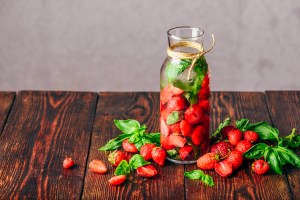
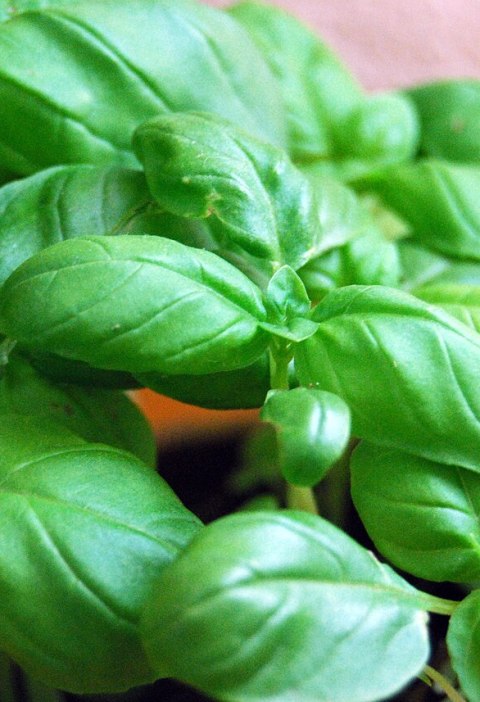
Strawberry & Basil – Fresh basil’s peppery sweetness complements ripe strawberries. Purée strawberries with basil to swirl into cheesecake or yogurt parfaits. Fold chiffonaded basil into scone dough with chopped berries for an aromatic treat. Freeze basil‑infused simple syrup with strawberries into popsicles for a sophisticated summer dessert. The herb’s brightness accentuates the fruit’s natural tang.
Blueberry & Thyme – Blueberries gain depth from earthy thyme. Stir thyme leaves into blueberry muffin batter for a refined twist. Simmer thyme sprigs with blueberries, sugar and lemon juice to create a compote for pancakes or ice cream. Baking blueberry–thyme cobbler fills the kitchen with an intoxicating aroma. The combination feels familiar yet elevated.
Peach & Rosemary – Sweet, juicy peaches shine alongside rosemary’s resinous aroma. Macerate sliced peaches with sugar and chopped rosemary before layering them into a galette. Add rosemary to cream for peach ice cream or gelato. Grill halved peaches and drizzle with rosemary syrup for a simple dessert. The herb’s slight bitterness enhances peach’s sweetness.
🍫 Chocolate & Spice Pairings
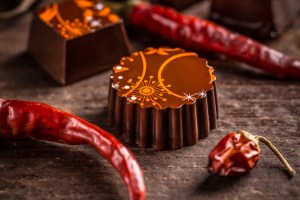
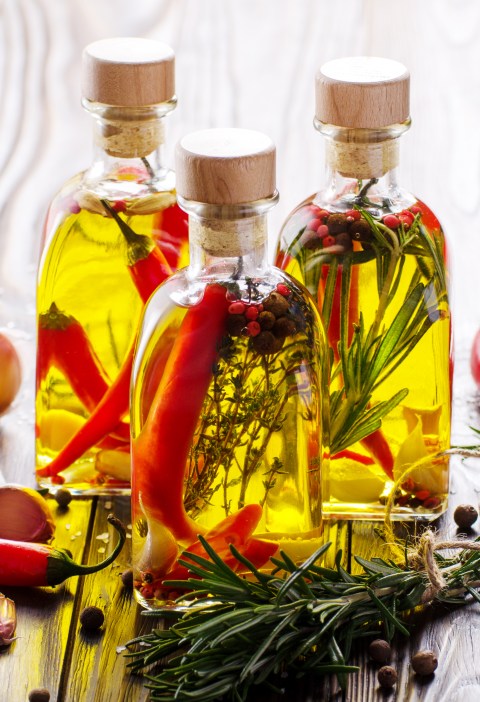
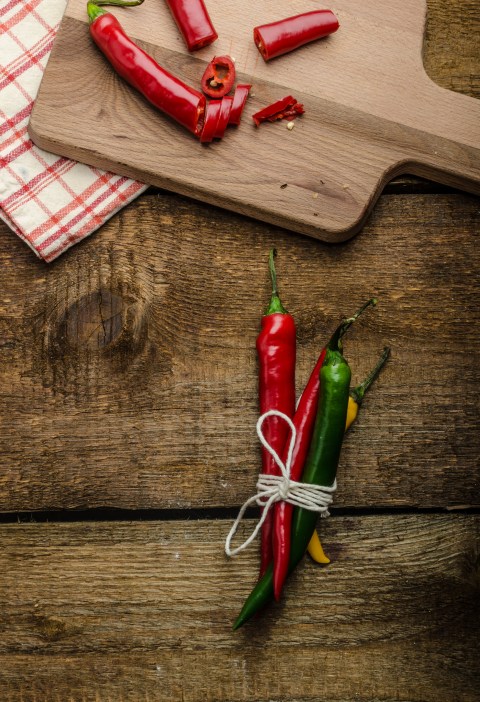
Chili & Dark Chocolate – A pinch of chili powder or cayenne intensifies chocolate’s richness. Add to brownie batter for a Mexican hot chocolate vibe. Sprinkle spicy salt over chocolate truffles for contrast. Use dried ancho chili powder for smoky heat or chipotle for deeper complexity. Adjust the quantity gradually to avoid overpowering the chocolate.
Cinnamon & Cardamom – This duo delivers warmth and complexity in chocolate cakes and cookies. Blend equal parts cinnamon and cardamom into a chocolate cookie dough for a chai‑inspired treat. Sprinkle the mixture into hot cocoa and top with whipped cream. The spices’ floral notes elevate chocolate beyond the ordinary. They also pair beautifully with nuts like almonds and pistachios.
Nutmeg & Espresso – Freshly grated nutmeg and a shot of espresso transform chocolate desserts. Add them to chocolate lava cake for depth and sophistication. Combine nutmeg with espresso powder in chocolate ganache or mousse. The bitter coffee notes and sweet spice create a balanced dessert that isn’t cloying. Use sparingly to keep nutmeg from dominating the flavor.
🍪 Nuts and Seeds in Sweets
Pistachio & Rose – Pistachios add texture and color to delicate sweets, while rose water brings floral elegance. Bake pistachio–rose shortbread by mixing ground pistachios and a splash of rose water into the dough. Create macarons with pistachio buttercream infused with rose petals. Drizzle honey and sprinkle chopped pistachios over rose‑scented panna cotta. The combination evokes Middle Eastern desserts with a Western twist.
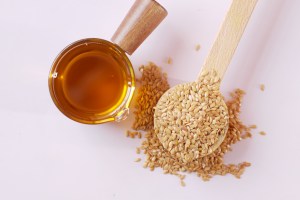
Sesame & Honey – Toasted sesame seeds combined with honey offer a nutty sweetness perfect in cookies or brittle. Stir sesame seeds into granola bars or sprinkle over honey cakes. Make black sesame brownies by swirling black sesame paste into chocolate batter. Sesame’s savory undertone balances honey’s sweetness, creating a complex dessert. Use tahini frosting on cupcakes for an unexpected twist.
Poppy Seed & Citrus – Tiny poppy seeds contribute crunch and a subtle nuttiness that pairs well with citrus. Bake poppy seed lemon loaf with a zingy glaze for breakfast or brunch. Orange–poppy seed muffins with cardamom add warmth and brightness. Stir poppy seeds into cheesecake crust for texture and visual appeal. Their delicate crunch contrasts beautifully with soft crumbed cakes.
📦 Storing Herbs and Spices for Baking
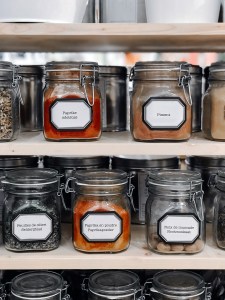
Herbs – Keep fresh herbs refrigerated with stems in water and loosely covered. Dry them by hanging in bundles upside down in a cool, dark place; once crispy, store in airtight jars. Dried herbs for baking should be replaced every six months for peak flavor. Store them away from moisture and heat to prevent mold. Label jars with dates to track freshness.
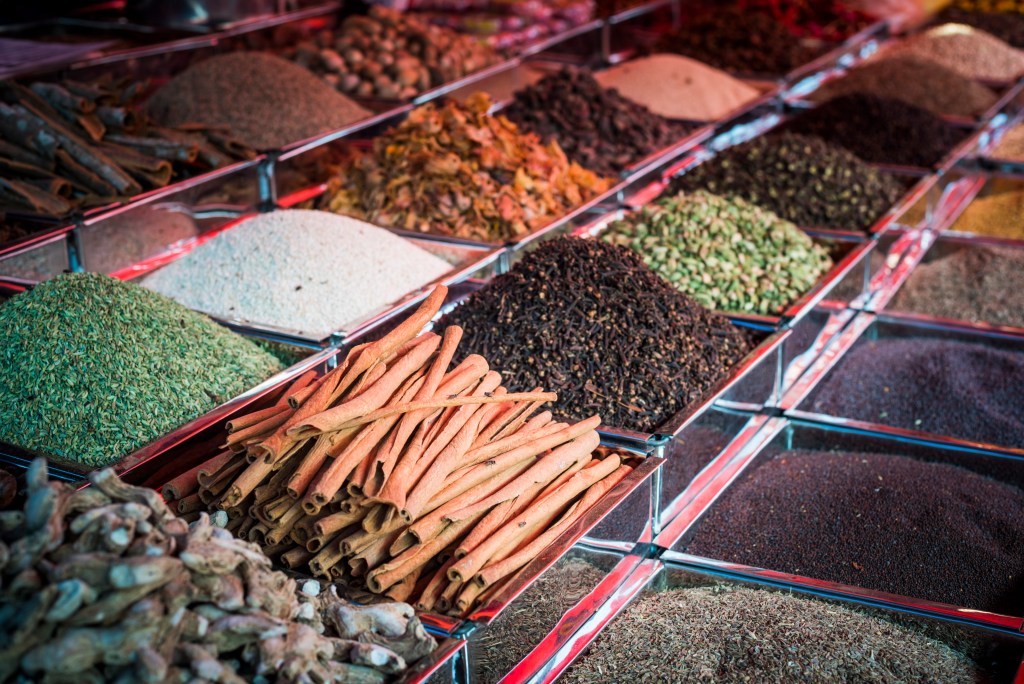
Whole Spices – Whole spices like cardamom pods and star anise last longer than ground versions. Keep them in airtight containers away from light and heat. Only grind what you need for each recipe. Whole spices can also be frozen for extended storage. Freezing slows degradation without compromising flavor.
Ground Spices – Ground spices lose potency more quickly; purchase smaller quantities unless you bake frequently. Store in the same conditions as whole spices and use within six months. Replace if they lose their vibrant color or aroma. Consider buying whole spices and grinding small batches for baking as needed. This practice ensures optimal flavor and reduces waste.
🎨 Creative Dessert Ideas
Rosemary Olive Oil Cake – Extra virgin olive oil, orange zest, chopped rosemary and a touch of ground cardamom create a sophisticated loaf. Dust with powdered sugar or drizzle with citrus glaze. The savory notes from olive oil and herbs balance the sweetness. Serve slices with a dollop of whipped cream or crème fraîche. This cake makes a perfect afternoon tea centerpiece.
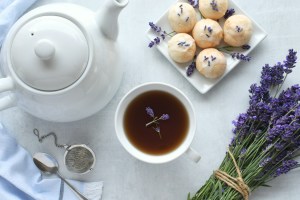
Lavender Honey Shortbread – Cream butter with lavender sugar and a spoonful of honey. Mix in flour and a pinch of salt to form a dough, chill and slice. Bake until edges are golden. The cookies are delicate, fragrant and just sweet enough. Dip one edge in dark chocolate for a luxurious finish. Pair with Earl Grey tea for a floral delight.
Cardamom‑Coffee Brownies – Melt butter with cardamom seeds and espresso powder before adding chocolate. Stir into brownie batter for a sophisticated twist. Swirl in tahini for nuttiness and sprinkle with flaky salt. The result is a rich dessert with bitter coffee notes balanced by aromatic spice. Serve warm with vanilla ice cream for maximum indulgence.

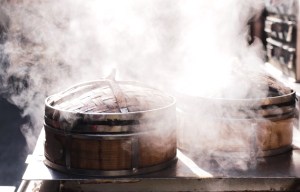

Steam, Don’t Scream: The Post-Cook Grain Ritual
🍚 Why Patience Makes Perfect Grains Rice, quinoa, couscous—grains aren’t finished when the timer dings. Their last stage is off the heat, under a lid. This quiet ritual is what separates gummy mush from fluffy perfection. 🍚 Steam, Don’t Scream: The Post-Cook Grain Ritual By The Editorial Team at Home Chefs United NewswireSeptember 25, 2025

Taste Early, Taste Often: The Golden Rule of Flavor Control
👅 The Rule Every Chef Lives By Great cooking isn’t about following instructions word-for-word—it’s about adjustments. The only way to know what a dish needs is to taste along the way. Chefs swear by this habit, and it’s the difference between food that’s fine and food that’s unforgettable. 👅 Taste Early, Taste Often: The Golden

Room Temperature Rules: The Secret to Better Baking and Searing
. 🧈 Why Temperature Changes Everything From cookies that bake evenly to steaks that sear with confidence, starting at room temperature is the simplest rule that separates home cooks from professionals. It’s not fussy—it’s science. 🧈 Room Temperature Rules: The Secret to Better Baking and Searing By The Editorial Team at Home Chefs United NewswireSeptember

How to Read a Recipe Like a Pro (Before You Cook)
🥕 Stop Surprises Before They Start Most cooking disasters don’t come from bad pans or weak seasoning—they come from us jumping into a recipe blind. Pros read recipes like pilots scan flight plans. Here’s how to do the same at home. 🥕 The Power of Mise en Place By The Editorial Team at Home Chefs

The Power of Mise en Place: Why Chefs Swear by It
🥕 The Secret Weapon Behind Every Great Kitchen Mise en place—“everything in its place”—isn’t just chef lingo. It’s a mindset. When your kitchen is organized before you turn on the stove, cooking stops being stressful and starts being enjoyable. 🥕 The Power of Mise en Place By The Editorial Team at Home Chefs United NewswireSeptember
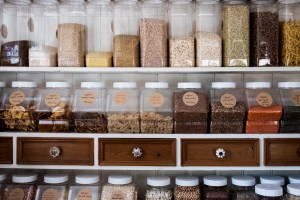
Pantry Confessions: What’s Lurking Behind the Door
🥫 What Your Pantry Really Says About You Your pantry isn’t just food storage—it’s a personality test. From quinoa you never cooked to the hot sauces you bragged about but never touched, every item tells a story. 🥣 Your pantry is less about what you eat and more about what you intend to eat. By


You must be logged in to post a comment.