š± Introduction: More Than a Seasoning
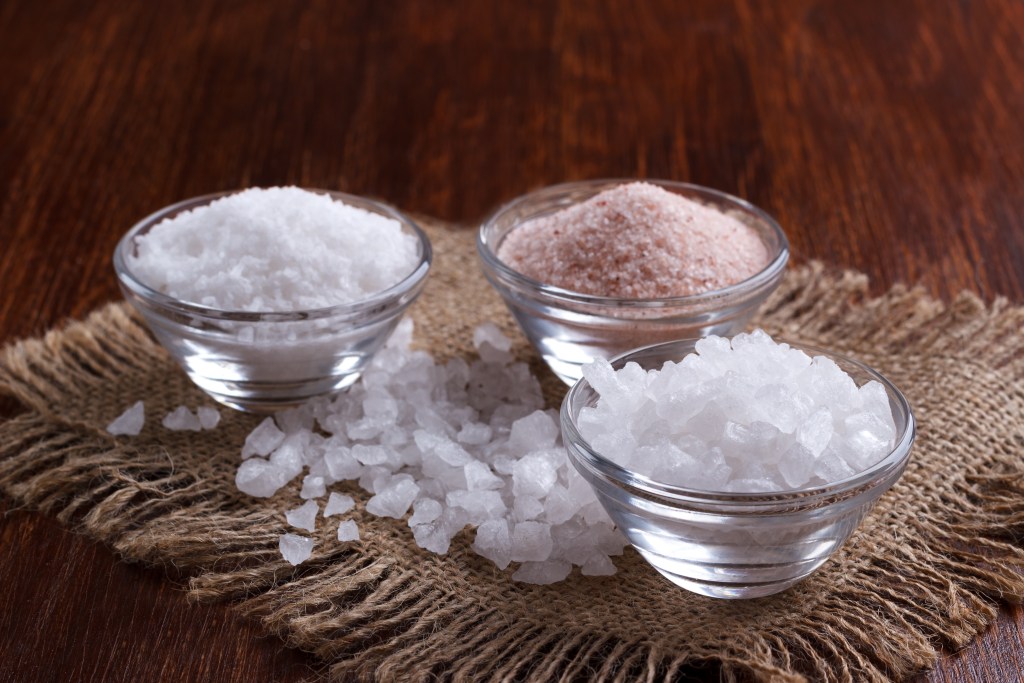
Salt is so common today that we barely notice it ā a shaker on the table, a pinch in the pot. Yet salt is one of the most powerful ingredients in human history. It has built empires, sparked wars, preserved life, and carried sacred meaning across cultures. To savor salt is to savor civilization itself.
Ā
š Salt Through History: Currency, Power, and Survival
Ancient Trade Routes: Salt was so valuable that it created some of the worldās first trade networks. The famous Via Salaria in Rome was a salt road, transporting the crystal across Italy. The word āsalaryā comes from the Latin salarium ā the allowance given to Roman soldiers to buy salt.
Empires and Control: Governments and monarchs controlled salt supplies through taxes and monopolies. In France, the hated gabelle (salt tax) fueled public anger leading up to the Revolution.
Wars and Protests: In 1930, Gandhiās famous Salt March protested British colonial salt laws in India, making salt a symbol of independence and resistance.
Salt was never just seasoning ā it was strategy, currency, and control.
š§ Salt as Preservation: The First Refrigerator
Long before refrigeration, salt was the difference between survival and starvation.
Meat and fish were salted and dried to last through winters and long journeys.
Sailors carried salt cod and salted pork across oceans.
Cheese and pickles were born from saltās preserving power.
Salt allowed humans to store food, travel farther, and expand empires ā all because crystals could ward off decay.
āļø Salt in Ritual and Religion: A Sacred Symbol
Across cultures, salt has carried spiritual weight:
Judaism & Christianity: Salt symbolizes purity and covenant. In the Bible, offerings were sealed with salt, and the phrase āsalt of the earthā became a blessing.
Islam: Salt is used to break the fast in some traditions, symbolizing humility and grounding.
Shinto Japan: Salt purifies spaces, sprinkled at shrines and even at the entrance of sumo wrestling rings.
Folklore: Spilled salt was thought to invite bad luck ā unless tossed over the left shoulder to blind the devil.
From temple to table, salt has been a force of both the sacred and the superstitious.
š Salt Across Cultures: A Universal Crystal
France: Fleur de sel, delicate hand-harvested sea salt, prized as āthe caviar of salts.ā
Himalayas: Pink salt carved into lamps, plates, and blocks.
Nordic Countries: Salted fish, from gravlax to lutefisk, tied to survival in harsh climates.
Africa: Ancient salt caravans, like those across the Sahara, carried āwhite goldā to kingdoms far from the sea.
The Americas: Indigenous peoples harvested salt from lakes and springs, weaving it into ritual and trade.
Every culture has its salt ā and its story.
š Pull Quote
āSalt is more than a seasoning. It is civilizationās oldest preservative, natureās purifier, and the crystal that still binds flavor to memory.ā
š Salt in Memory: Flavor and Family
Salt is woven into personal memory, too.
The briny tang of olives at a holiday table.
The salted rim of a glass marking celebration.
The crunch of pretzels from childhood snacks.
Salt is often the first seasoning we taste ā and the one we crave when we want comfort.
š§Ŗ The Science of Salt: Unlocking Flavor
Salt doesnāt just taste salty; it transforms flavor itself.
It suppresses bitterness, balances sweetness, and enhances aroma.
Brining meat in salt water tenderizes it and locks in moisture.
Finishing salts add not just taste, but texture ā a crystal crunch that changes the eating experience.
Salt is the alchemy of cooking ā invisible, essential, transformative.
š Why Salt Still Matters Today
In a world of endless spices and flavors, salt remains the foundation. Whether in gourmet cooking or everyday meals, it is the ingredient that makes flavor come alive. But it also connects us back to history ā to caravans, revolutions, rituals, and our own kitchens.
⨠Practical Takeaway: How to Savor Salt in Your Kitchen
Try brining chicken or turkey ā salt makes the difference between dry and juicy.
Keep a finishing salt (like Maldon or fleur de sel) to sprinkle at the table for texture and flavor.
Explore cultural salts ā Himalayan pink, Hawaiian black lava, smoked salts.
Reflect ā the next time you add a pinch, remember youāre adding more than taste ā youāre adding history.
š Closing Reflection
Salt has built roads, paid wages, started revolutions, and preserved life. Yet today, it hides in plain sight, sitting quietly on every table. To savor the source of salt is to recognize that the smallest crystal can hold the biggest story.
So next time you sprinkle, pause. Youāre not just seasoning food ā youāre connecting with centuries of history, culture, and survival.

Steam, Donāt Scream: The Post-Cook Grain Ritual
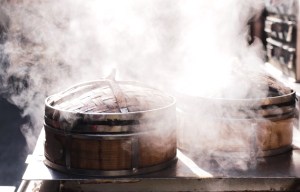
š Why Patience Makes Perfect Grains Rice, quinoa, couscousāgrains arenāt finished when the timer dings. Their last stage is off the heat, under a lid. This quiet ritual is what separates gummy mush from fluffy perfection. š Steam, Donāt Scream: The Post-Cook Grain Ritual By The Editorial Team at Home Chefs United NewswireSeptember 25, 2025
Taste Early, Taste Often: The Golden Rule of Flavor Control
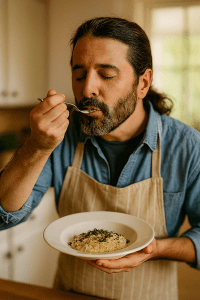
š The Rule Every Chef Lives By Great cooking isnāt about following instructions word-for-wordāitās about adjustments. The only way to know what a dish needs is to taste along the way. Chefs swear by this habit, and itās the difference between food thatās fine and food thatās unforgettable. š Taste Early, Taste Often: The Golden

Room Temperature Rules: The Secret to Better Baking and Searing
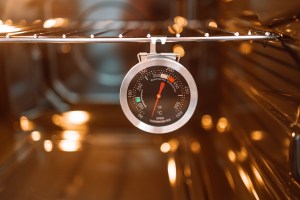
. š§ Why Temperature Changes Everything From cookies that bake evenly to steaks that sear with confidence, starting at room temperature is the simplest rule that separates home cooks from professionals. Itās not fussyāitās science. š§ Room Temperature Rules: The Secret to Better Baking and Searing By The Editorial Team at Home Chefs United NewswireSeptember

How to Read a Recipe Like a Pro (Before You Cook)
š„ Stop Surprises Before They Start Most cooking disasters donāt come from bad pans or weak seasoningāthey come from us jumping into a recipe blind. Pros read recipes like pilots scan flight plans. Hereās how to do the same at home. š„ The Power of Mise en Place By The Editorial Team at Home Chefs

The Power of Mise en Place: Why Chefs Swear by It
š„ The Secret Weapon Behind Every Great Kitchen Mise en placeāāeverything in its placeāāisnāt just chef lingo. Itās a mindset. When your kitchen is organized before you turn on the stove, cooking stops being stressful and starts being enjoyable. š„ The Power of Mise en Place By The Editorial Team at Home Chefs United NewswireSeptember

Pantry Confessions: Whatās Lurking Behind the Door
š„« What Your Pantry Really Says About You Your pantry isnāt just food storageāitās a personality test. From quinoa you never cooked to the hot sauces you bragged about but never touched, every item tells a story. š„£ Your pantry is less about what you eat and more about what you intend to eat. By
You must be logged in to post a comment.