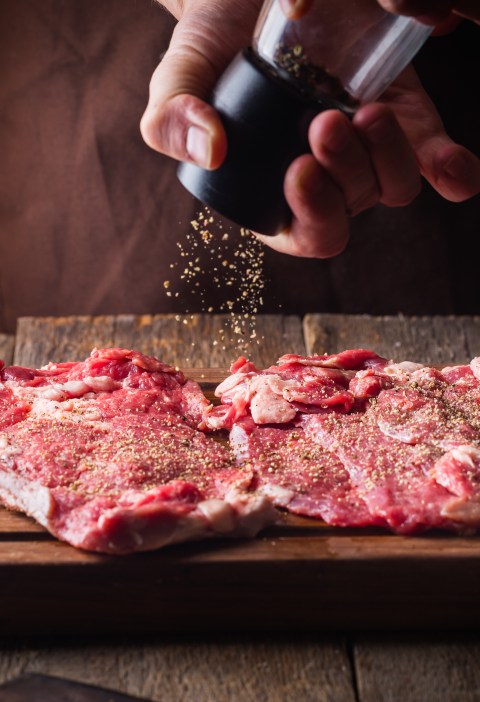
🌍 Introduction: Potfuls of Comfort and Culture
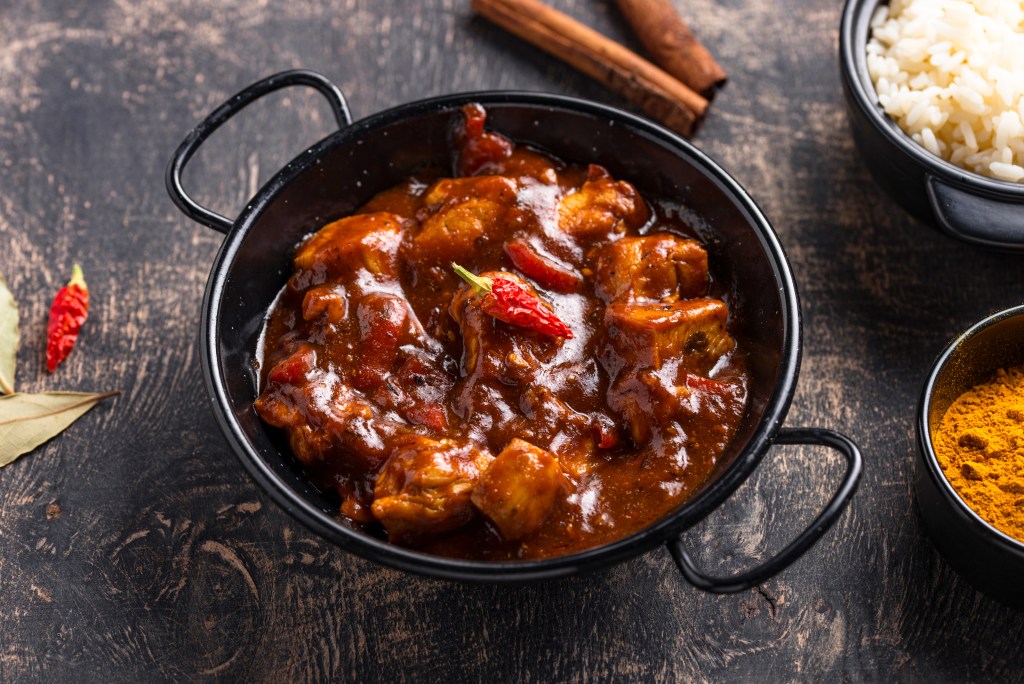
There’s something universally comforting about a steaming pot of stew or braised meat. These dishes tell stories of resourcefulness, community and warmth. With a handful of spices and slow, patient cooking, humble ingredients transform into deeply flavored meals. One‑pot dishes are practical—you can feed a crowd, meal‑prep for the week or enjoy leftovers that taste even better the next day. Exploring stews and braises from different cultures broadens your culinary horizons and offers insight into the flavors that shape people’s lives.
🇲🇦 Moroccan Tagine: Sweet, Salty and Spiced
Flavor Foundations – Moroccan tagines start with onions softened in oil, followed by spices like cumin, coriander, cinnamon, ginger and saffron. These aromatic ingredients provide warmth, sweetness and earthiness. Saffron threads bloom in warm water before adding to the pot, infusing everything with golden color and floral notes. A pinch of chili adds gentle heat without overwhelming the palate. The fragrance that fills your kitchen is intoxicating.
Proteins and Vegetables – Traditional tagines feature lamb or chicken, prized for their tenderness. The meat is browned briefly before simmering with spices. Root vegetables like carrots, potatoes and turnips join later, absorbing the sauce. Dried fruits—apricots, raisins or prunes—provide bursts of sweetness. Chickpeas often appear, adding texture and protein. This blend of ingredients creates a balanced dish with sweet, savory and savory flavors.
Finishing Touches – Preserved lemons, olives and toasted almonds are added toward the end of cooking. Preserved lemons lend brightness and umami to the rich sauce. Olives add briny depth, while almonds contribute crunch. Fresh cilantro and parsley scattered on top lighten the dish. Served over couscous, each bite offers layers of texture and flavor. Leftovers taste even better the next day as flavors meld.
🇫🇷 Provençal Daube: French Country Elegance
Aromatics and Wine – Daube begins with browning cubes of beef in olive oil. Onions, carrots and celery follow, forming a mirepoix. Add garlic, tomato paste and a bouquet garni of thyme, bay leaves and orange peel. Pour in full‑bodied red wine and beef stock, scraping up browned bits. The wine tenderizes the meat and adds a deep, fruity note. Slow simmering yields a silky, flavorful sauce.
Low and Slow – This stew cooks for several hours over gentle heat, allowing connective tissue to break down into gelatin. The meat becomes fork‑tender while the sauce thickens naturally. Occasionally skim fat and impurities for a clean finish. Adding mushrooms in the final hour preserves their texture. The result is a luxurious stew that epitomizes French comfort food.
Serving Suggestions – Daube is traditionally served over buttered noodles, mashed potatoes or creamy polenta. These starches soak up the luscious sauce. Finish with chopped parsley or orange zest for brightness. A glass of the same wine used in cooking pairs perfectly. Leftovers reheat beautifully, making daube ideal for entertaining. The stew also freezes well for future meals.
🇮🇳 Coconut Curry Stew: Vegetarian Delight
Spice Blooming – Start by heating coconut oil in a large pot. Add mustard seeds; when they start popping, stir in cumin seeds, curry leaves and turmeric. The spices sizzle, releasing their essential oils and transforming the oil into a fragrant base. Chopped onions, ginger and garlic follow, sautéing until soft and aromatic. This technique sets up a richly flavored foundation.
Vegetables and Legumes – Add cubed sweet potatoes, cauliflower florets and diced tomatoes. Stir in cooked chickpeas or lentils for protein. Season with garam masala, coriander and red chili powder to taste. Pour in coconut milk and vegetable stock, bringing the stew to a gentle simmer. Let it cook until vegetables are tender but not mushy. Fresh spinach or kale can be stirred in just before serving for a pop of green.
Finishing Touches – Squeeze fresh lime juice over the stew to balance its richness. Garnish with chopped cilantro or mint and a sprinkle of toasted coconut flakes. Serve with basmati rice, naan or crusty bread. This stew is naturally vegan and gluten‑free, yet hearty and satisfying. Leftovers make excellent lunch bowls topped with avocado and hot sauce.
🇧🇷 Brazilian Feijoada: Black Bean Feast
Meats and Beans – Feijoada is Brazil’s national dish, built around black beans simmered with a variety of pork and beef cuts. Common additions include bacon, smoked sausage, pork shoulder and beef short ribs. The meats are browned to develop flavor before joining the beans. Each meat contributes its own texture and richness, creating a complex, savory stew.
Seasonings and Aromatics – Feijoada is seasoned with bay leaves, cumin, garlic and sometimes orange peel. The citrus brightens the heavy stew. Onions sautéed in bacon fat form the base, absorbing the smoky essence. Some cooks add a splash of cachaça (sugarcane liquor) for aroma. The stew simmers for hours until the beans are creamy and the meats tender.
Traditional Accompaniments – Serve feijoada with white rice, sautéed collard greens and farofa—toasted cassava flour that adds crunch. Sliced oranges on the side cut through the richness and aid digestion. A hot chili sauce called molho de pimenta provides a spicy contrast. Feijoada is often enjoyed on weekends with family and friends, accompanied by caipirinhas.
🇹🇷 Turkish Lamb Şıtır: Spice‑Kissed Comfort
Spice Blend – A typical Turkish lamb stew uses baharat, a blend of spices including cumin, coriander, paprika, cinnamon, allspice and cardamom. Baharat adds warmth and depth without overwhelming heat. Mix it with salt, black pepper and olive oil to marinate cubes of lamb. Allow the meat to rest for at least an hour so the flavors penetrate.
Cooking Method – Brown the marinated lamb in a heavy pot, then remove and set aside. Sauté onions, carrots and celery until soft. Stir in tomato paste and cook briefly to caramelize. Return the lamb to the pot and add chopped tomatoes, dried apricots and chickpeas. Cover with beef or lamb stock and bring to a simmer. Cook gently until the lamb is tender and the sauce thickens.
Finishing Flavors – Add a splash of pomegranate molasses and squeeze of lemon juice just before serving to brighten the rich stew. Sprinkle with chopped parsley and toasted pine nuts. Serve over rice pilaf or with crusty bread. The combination of sweet dried fruit, savory lamb and fragrant spices creates a harmony of flavors. This stew showcases how spices can be layered for complexity.
🧂 Building Deep Flavor
Brown First – Searing meat and sautéing aromatics caramelizes sugars and proteins, developing rich, savory notes. Don’t rush this step; a dark fond on the bottom of the pot means maximum flavor. Scrape it up when deglazing with wine or stock. Browning also improves the meat’s texture, sealing in juices.
Deglaze & Simmer – After browning, add a flavorful liquid—wine, stock, tomatoes or water—to dissolve the browned bits. This forms the base of your stew. Bring to a boil and then reduce to a gentle simmer. Slow cooking allows flavors to meld and tough cuts to become tender. Avoid rapid boiling, which can toughen meat and disintegrate vegetables.
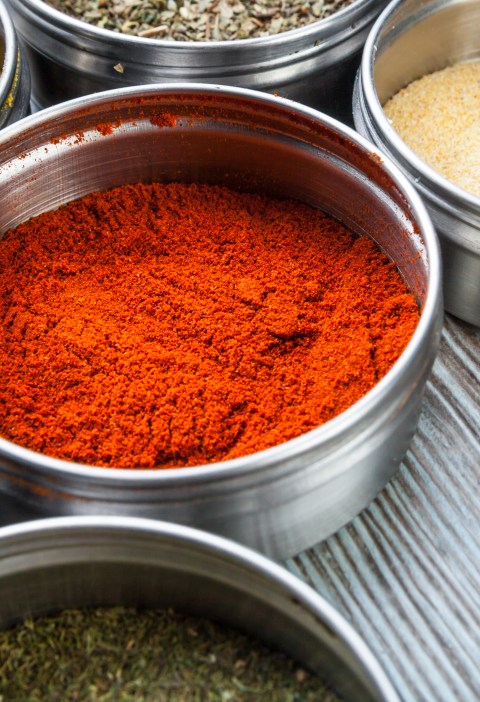
Layer Spices – Add spices at multiple stages for complexity. Bloom whole spices early in oil to infuse, then add ground spices when adding liquids. Finish with fresh herbs or a squeeze of citrus for brightness. This layering creates a round, balanced flavor that evolves as you eat. Always taste as you go and adjust seasoning.
🌿 Fresh Finishes and Textural Accents
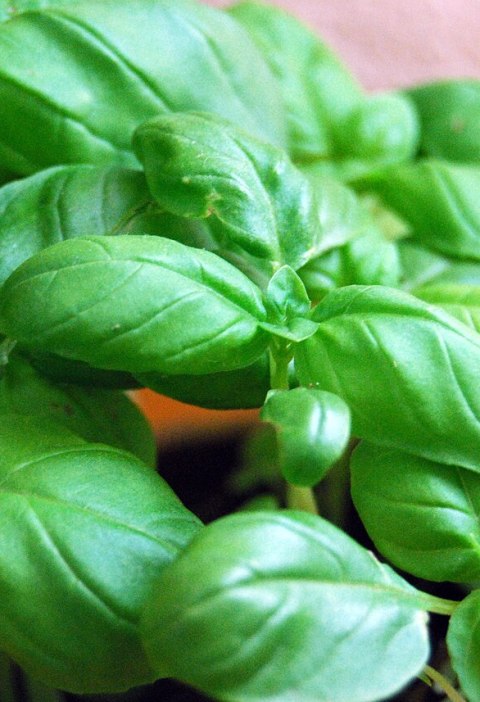
Herb Garnishes – Fresh herbs like cilantro, parsley, mint and dill lighten rich stews. Chop them just before serving to preserve their flavor and color. Sprinkle over each bowl or stir in at the last minute. Herbs add vibrancy and fragrance that elevate hearty dishes. They also make the stew look more appetizing.
Acidic Pops – A squeeze of lemon, lime or a splash of vinegar cuts through fattiness and revives flavors. Add acid gradually, tasting in between. You can also stir in pickled vegetables like onions or radishes for tang and crunch. These bright notes contrast the savory base, making each bite exciting. Acidity is the secret to preventing palate fatigue.
Crunchy Toppings – Toasted nuts, seeds or breadcrumbs add texture to velvety stews. Almonds, pine nuts, sesame seeds or even crumbled crackers provide a satisfying contrast. Sprinkle them just before serving to keep them crisp. For a gluten‑free option, try fried shallots or garlic chips. Texture adds dimension, making one‑pot meals feel special.
📦 Meal Prep & Freezing Tips
Cook Once, Eat Twice – Stews and braises taste even better the next day as flavors meld. Make a double batch on the weekend and portion it out for quick weekday meals. Store in airtight containers in the fridge for up to four days. When reheating, add a splash of water or stock if needed to loosen the sauce. Garnish fresh each time.
Freezing Wisdom – Many stews freeze well, allowing you to stock your freezer with home‑cooked meals. Cool completely before transferring to freezer‑safe containers. Leave headspace for expansion and label with the date. Freeze for up to three months. Thaw overnight in the fridge and reheat gently on the stove. Avoid freezing stews thickened with cream or flour, as they may separate.
Portion Control – Freeze stews in one or two‑person portions for convenience. Use silicone molds or freezer bags laid flat on a tray to create thin, stackable portions. This method saves space and speeds up thawing. Having single servings ensures you don’t waste food when cooking for one or two. You can also mix and match different stews for variety.
📝 Closing Reflection
One‑pot wonders are much more than quick weeknight meals; they are cultural expressions simmered to perfection. From Moroccan tagine’s sweet–savory dance to French daube’s wine‑soaked richness, each stew tells a story. Spices play a central role, transforming simple ingredients into feasts bursting with aroma and depth. Slow cooking invites mindfulness and anticipation as flavors develop over time. Whether you’re feeding a family, meal prepping for the week or sharing a pot with friends, these dishes bring people together and warm the soul.

Steam, Don’t Scream: The Post-Cook Grain Ritual
🍚 Why Patience Makes Perfect Grains Rice, quinoa, couscous—grains aren’t finished when the timer dings. Their last stage is off the heat, under a lid. This quiet ritual is what separates gummy mush from fluffy perfection. 🍚 Steam, Don’t Scream: The Post-Cook Grain Ritual By The Editorial Team at Home Chefs United NewswireSeptember 25, 2025
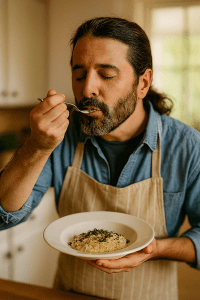
Taste Early, Taste Often: The Golden Rule of Flavor Control
👅 The Rule Every Chef Lives By Great cooking isn’t about following instructions word-for-word—it’s about adjustments. The only way to know what a dish needs is to taste along the way. Chefs swear by this habit, and it’s the difference between food that’s fine and food that’s unforgettable. 👅 Taste Early, Taste Often: The Golden

Room Temperature Rules: The Secret to Better Baking and Searing
. 🧈 Why Temperature Changes Everything From cookies that bake evenly to steaks that sear with confidence, starting at room temperature is the simplest rule that separates home cooks from professionals. It’s not fussy—it’s science. 🧈 Room Temperature Rules: The Secret to Better Baking and Searing By The Editorial Team at Home Chefs United NewswireSeptember

How to Read a Recipe Like a Pro (Before You Cook)
🥕 Stop Surprises Before They Start Most cooking disasters don’t come from bad pans or weak seasoning—they come from us jumping into a recipe blind. Pros read recipes like pilots scan flight plans. Here’s how to do the same at home. 🥕 The Power of Mise en Place By The Editorial Team at Home Chefs

The Power of Mise en Place: Why Chefs Swear by It
🥕 The Secret Weapon Behind Every Great Kitchen Mise en place—“everything in its place”—isn’t just chef lingo. It’s a mindset. When your kitchen is organized before you turn on the stove, cooking stops being stressful and starts being enjoyable. 🥕 The Power of Mise en Place By The Editorial Team at Home Chefs United NewswireSeptember
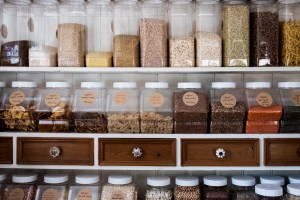
Pantry Confessions: What’s Lurking Behind the Door
🥫 What Your Pantry Really Says About You Your pantry isn’t just food storage—it’s a personality test. From quinoa you never cooked to the hot sauces you bragged about but never touched, every item tells a story. 🥣 Your pantry is less about what you eat and more about what you intend to eat. By

You must be logged in to post a comment.