đ Introduction: Flavor Without Fortune
Creating a spice collection that spans the globe doesnât require a hefty wallet. With strategic shopping, organization and a bit of DIY ingenuity, you can stock your pantry with a diverse array of seasonings. The key is prioritizing quality over quantity, focusing on versatile spices that serve multiple cuisines, and buying smartly. Budget-friendly doesnât mean skimping on flavorâit means making informed choices and taking advantage of resources that provide great value. Hereâs how to build a spice rack that takes you around the world without breaking the bank.
Â
đŞÂ Finding the Best Deals
Bulk Bins & Markets â Bulk bins allow you to buy exactly the amount you need, preventing waste and saving money. Many natural food stores and coâops offer an extensive selection of herbs and spices. Bring your own jars or bags to reduce packaging. Ethnic marketsâMexican, Indian, Middle Eastern and Asianâsell large bags of high-quality spices at low prices. Exploring these stores introduces you to new flavors and ingredients.
Online Retailers â Buying spices online can be cost-effective, especially if you live far from specialty shops. Look for retailers that sell spices in small packages or offer sampler sets. Check reviews for freshness and authenticity. Subscription services deliver curated spices monthly, allowing you to try small quantities of unique seasonings. Compare prices and shipping costs to ensure savings. Signing up for newsletters can alert you to sales and discounts.
Growing Your Own â Herbs like basil, mint, rosemary and thyme are easy to grow in pots or garden beds. They provide fresh flavor and reduce the need to buy dried versions. Let some herbs flower and collect the seedsâcoriander seeds from cilantro or fennel seeds from fennel plants. Dry them thoroughly before storing in airtight jars. Growing your own herbs yields fresher, more aromatic seasonings and connects you to the source of your food.
đŚÂ Smart Purchasing Strategies
Buy Whole, Grind Fresh â Whole spices last longer and maintain their essential oils. A small coffee grinder or mortar and pestle allows you to grind spices as needed. Whole spices like cumin, coriander, fennel, peppercorns and cardamom can be purchased in larger quantities without fear of rapid spoilage. Grinding fresh gives you control over texture, from coarse to fine. This practice ensures maximum flavor and versatility.
Small Quantities of Ground Spices â For spices you use infrequently (e.g., cloves, star anise), purchase small amounts. Ground spices lose potency quickly, so buying in bulk often leads to waste. Many spice shops sell ground spices in 1â to 2âounce bags or tins. When you run out, restock in small quantities to keep your collection fresh. This approach minimizes waste and maximizes flavor.
Core Essentials & Expansion â Start with a core set of versatile spices: cumin, coriander, paprika, turmeric, chili flakes, cinnamon, black pepper and bay leaves. These provide a foundation for numerous cuisines. Once youâre comfortable, gradually add more specialized spices like sumac, fennel seeds, saffron or zaâatar. Adding one new spice per month lets you explore without overwhelming your budget or storage space.
đ Labeling, Dating and Organization
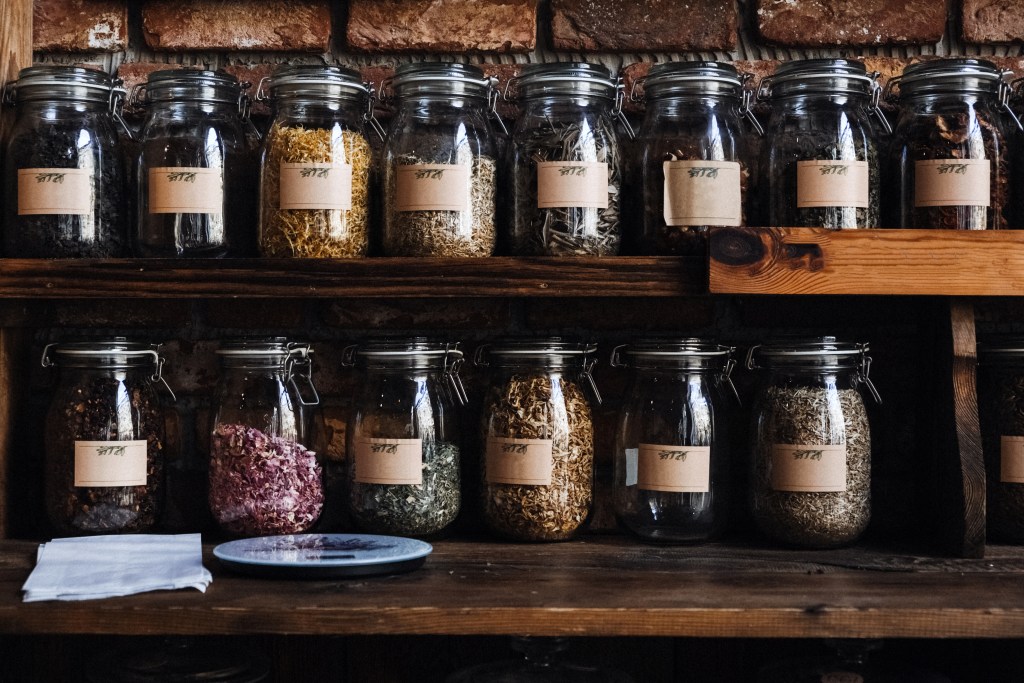
Consistent Containers â Use similar jars or tins to create a tidy, uniform look and make storage easier. Glass jars with airtight lids protect spices from moisture and air. Metal tins with tight seals also work well. Label containers clearly with the spice name and the purchase or grind date. Consider labeling the origin or flavor profile for quick reference. A cohesive system prevents duplicates and lost spices.
Tracking Freshness â Note the date each spice was acquired or ground. Whole spices generally last up to two years, while ground spices are best used within six months. Set reminders to review and replace spices periodically. Rotate older jars to the front to ensure theyâre used before losing potency. Keeping a spreadsheet or using a spice organization app can help track inventory and expiration dates.
Organizational Systems â Arrange spices alphabetically, by cuisine or by frequency of use. Alphabetical order makes it easy to find what you need quickly. Grouping by cuisine helps when cooking specific dishesâkeep Italian herbs together and Indian spices in another section. Frequently used spices can be stored near the stove, while rare ones stay in the pantry. A well-organized spice rack saves time and encourages experimentation.
âťď¸Â Sharing and Swapping
Spice Swaps with Friends â Gather friends and each bring a few spices or blends to share. Trade in small portions so everyone gets to try new flavors without buying whole jars. This approach introduces you to unfamiliar seasonings and prevents duplicates. Host a potluck featuring dishes using these spices to learn how theyâre used. Swaps are social events that build community and expand your culinary horizons.
Community Bulk Buying â Team up with neighbors or family to purchase larger quantities at lower prices. Splitting bulk packages reduces costs and waste. Organize a small group to order from online retailers or local wholesalers. Divide the spices equally and store in individual jars. This strategy works well for expensive items like saffron or vanilla beans. Itâs also an opportunity to share recipes and tips.
Seed Exchange and Cultivation â Share seeds of herbs and edible flowers with gardening friends. Exchange seeds from plants like coriander, dill or fennel. Growing and trading herbs fosters sustainability and variety in your spice collection. Youâll discover new herbs to plant and ways to use them in cooking. Seed exchanges connect gardeners and cooks in a unique, flavorful way.
s.
đ§°Â DIY Blends: Stretching Your Spice Dollar
Making Garam Masala â Toast cumin, coriander, cardamom, cinnamon, cloves and black peppercorns until fragrant. Cool, then grind into a powder. Garam masala is a versatile Indian blend used in curries, rice dishes and soups. Making it yourself ensures freshness and allows you to adjust proportions. Store in a jar and use within six months. Homemade blends save money compared to store-bought versions.
Homemade Chili Powder â Combine dried ancho chilies, paprika, cumin, garlic powder and oregano. Toast ancho chilies lightly, then grind them with the other spices. Adjust heat by adding more or less ancho or incorporating chipotle. Use this blend for chili con carne, tacos or roasted vegetables. Customizing your own chili powder provides full control over flavor and heat levels. Itâs more economical and flavorful than mass-produced blends.
Herbes de Provence â Mix dried thyme, rosemary, oregano, marjoram and a pinch of lavender flowers. This French blend seasons roasted chicken, vegetables and stews. Adjust ratios based on your preferenceâmore lavender for floral notes or more thyme for earthiness. Making your own blend costs little and yields enough for months. Use recycled glass jars for storage and label them clearly.
đŹÂ Quality Control and Freshness Testing
Visual and Olfactory Checks â Fresh spices are vibrant in color and fragrant to the nose. If ground turmeric has faded or dried oregano smells like dust, itâs time to replace them. Inspect whole spices for signs of mold, moisture or pests. Keep a small âsample jarâ of new spices to compare with older ones. Familiarity with how fresh spices look and smell helps maintain quality.
Taste Testing â Rub a pinch of spice between your fingers and taste it. The flavor should be strong and clear. Spices that taste bland or have a stale aftertaste should be discarded. For whole spices, toast a few seeds and taste them separately. Tasting regularly sharpens your palate and helps you discern when spices are past their prime. Replace spices before they compromise your dishes.
Proper Storage Conditions â Store spices in a cool, dark, dry place. Avoid humidity, which encourages mold and causes clumping. Keep spices away from direct sunlight, which degrades volatile oils. Donât store spices above the stove or next to heat-producing appliances. If you live in a humid climate, consider storing delicate spices in the refrigerator or freezer. Proper storage extends shelf life and preserves flavor.
đ´Â Incorporating Spices into Everyday Cooking
Routine Usage â Make spices a part of your daily cooking routine to avoid letting them languish. Sprinkle cumin or smoked paprika on eggs, salads or roasted vegetables. Stir turmeric into soups, stews and rice for color and health benefits. Add a pinch of chili flakes to pasta sauces or avocado toast. Regular use ensures your spices stay fresh and your meals stay exciting. Donât reserve spices for special dishesâembrace them often.
New Recipe Exploration â Each time you purchase a new spice, research a traditional recipe that highlights its flavor. This exercise broadens your culinary repertoire and deepens your appreciation for different cultures. For instance, use sumac in fattoush salad or berbere in Ethiopian lentil stew. Invite friends or family to share these dishes and discuss the flavors. Cooking new recipes fosters learning and joy.
Flavor Experiments â Blend familiar spices with unfamiliar ones to create original seasonings. Try adding a pinch of star anise to chili or mixing zaâatar into pasta sauce. Use your palate as a guide, building confidence through trial and error. Keep notes on successful combinations for future reference. Experimenting allows you to personalize your spice rack and tailor flavors to your liking.
đ Sustainability and Ethical Choices
Fair Trade and Organic â Whenever possible, choose fairâtrade and organic spices. Fairâtrade certifications ensure that farmers are paid fairly and work under ethical conditions. Organic spices are grown without synthetic pesticides or fertilizers, benefiting the environment and your health. While they may cost slightly more, the impact on communities and ecosystems is significant. Read labels carefully and support reputable brands.
Reducing Packaging Waste â Buy spices in bulk using reusable containers. Refill jars at bulk stores or purchase larger bags and decant into smaller jars at home. Avoid singleâuse plastic packages when possible. Repurpose glass jars and tins rather than buying new ones. Reducing packaging waste helps minimize your environmental footprint.
Composting Spent Herbs â Old herbs and spices can be composted instead of thrown away. They add organic matter to your compost pile and enrich the soil. Remove any labels or plastic lids before composting jars. Use compost in your garden or houseplants to create a closed loop of culinary waste turned into growth. This cycle fosters sustainability and connects you to nature.
đ Closing Reflection
Building a global spice rack on a budget is an adventure in taste, resourcefulness and cultural exploration. Smart shopping and thoughtful organization make a diverse collection attainable for any home cook. By growing your own herbs, buying whole spices, sharing with friends and crafting custom blends, you enrich your cooking without overspending. Each new spice invites you to learn about its origin and the people who use it, fostering a deeper appreciation for culinary heritage. With creativity and mindfulness, your spice rack becomes a gateway to the world.

Steam, Donât Scream: The Post-Cook Grain Ritual
đ Why Patience Makes Perfect Grains Rice, quinoa, couscousâgrains arenât finished when the timer dings. Their last stage is off the heat, under a lid. This quiet ritual is what separates gummy mush from fluffy perfection. đ Steam, Donât Scream: The Post-Cook Grain Ritual By The Editorial Team at Home Chefs United NewswireSeptember 25, 2025
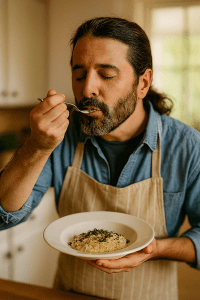
Taste Early, Taste Often: The Golden Rule of Flavor Control
đ The Rule Every Chef Lives By Great cooking isnât about following instructions word-for-wordâitâs about adjustments. The only way to know what a dish needs is to taste along the way. Chefs swear by this habit, and itâs the difference between food thatâs fine and food thatâs unforgettable. đ Taste Early, Taste Often: The Golden

Room Temperature Rules: The Secret to Better Baking and Searing
. đ§ Why Temperature Changes Everything From cookies that bake evenly to steaks that sear with confidence, starting at room temperature is the simplest rule that separates home cooks from professionals. Itâs not fussyâitâs science. đ§ Room Temperature Rules: The Secret to Better Baking and Searing By The Editorial Team at Home Chefs United NewswireSeptember

How to Read a Recipe Like a Pro (Before You Cook)
đĽ Stop Surprises Before They Start Most cooking disasters donât come from bad pans or weak seasoningâthey come from us jumping into a recipe blind. Pros read recipes like pilots scan flight plans. Hereâs how to do the same at home. đĽ The Power of Mise en Place By The Editorial Team at Home Chefs

The Power of Mise en Place: Why Chefs Swear by It
đĽ The Secret Weapon Behind Every Great Kitchen Mise en placeââeverything in its placeââisnât just chef lingo. Itâs a mindset. When your kitchen is organized before you turn on the stove, cooking stops being stressful and starts being enjoyable. đĽ The Power of Mise en Place By The Editorial Team at Home Chefs United NewswireSeptember
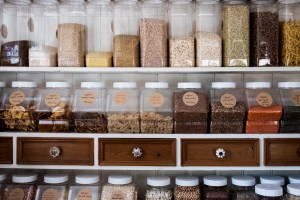
Pantry Confessions: Whatâs Lurking Behind the Door
𼍠What Your Pantry Really Says About You Your pantry isnât just food storageâitâs a personality test. From quinoa you never cooked to the hot sauces you bragged about but never touched, every item tells a story. 𼣠Your pantry is less about what you eat and more about what you intend to eat. By
You must be logged in to post a comment.