🌿 Introduction: The Art of Infusion
Transforming a neutral base into a flavorful elixir is one of the easiest ways to elevate everyday cooking. Infused oils, vinegars and butters concentrate the essence of herbs and spices and deliver it effortlessly to your dishes. These condiments are deceptively simple to make, requiring just a handful of ingredients and a bit of patience. They enable home cooks to harness complex flavors without elaborate preparation each time. Mastering infusion lets you turn salads, roasted vegetables and grilled meats into gourmet fare with a drizzle or a swipe.
🫒 Crafting Aromatic Oils
Garlic–Chili Oil – Simmer peeled garlic cloves and dried chilies gently in olive oil until the garlic is golden and the chilies are fragrant. Strain to remove solids and pour into a sterilized bottle. This spicy oil is perfect for drizzling over pizza, pasta or roasted vegetables. It keeps for several weeks in the refrigerator. Use the garlic confit left behind as a spread on crusty bread.
Herb Bouquet Oil – Combine rosemary, thyme, bay leaves and peppercorns with a neutral oil like grapeseed in a small saucepan. Warm over low heat for 30 minutes to allow flavors to infuse. Cool, strain and store in a dark bottle. This versatile oil brings Mediterranean notes to grilled meats, potatoes and bread dips. Experiment with different herbs like sage or marjoram for customized blends.
Citrus–Pepper Oil – Peel thin strips of lemon or orange zest (avoiding the bitter pith) and combine with crushed black peppercorns in olive or avocado oil. Warm gently for 20 minutes, cool and strain. The resulting oil adds brightness and a subtle bite to fish, salads and roasted vegetables. Use the citrus peels from juiced fruits to minimize waste. This infusion brightens winter dishes and complements seafood perfectly.
🍾 Creating Flavorful Vinegars
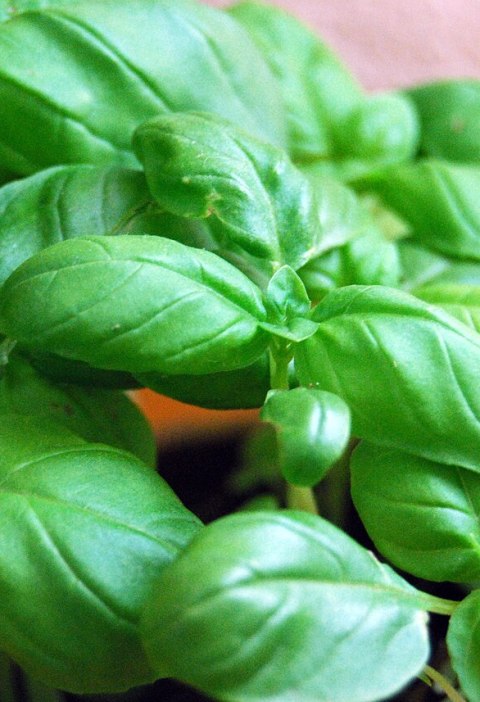
Berry–Basil Vinegar – Muddle fresh or frozen berries with torn basil leaves in a clean jar. Cover with apple cider vinegar and seal. Let sit for 2–4 weeks in a cool, dark place, shaking occasionally. Strain and bottle for a sweet‑tart condiment. Use it in salad dressings, marinades or as a splash in sparkling water. The vibrant color and fruity flavor make it a beautiful gift.
Ginger–Garlic Rice Vinegar – Slice fresh ginger and garlic and place in a jar. Cover with rice vinegar, seal and allow to steep for one to two weeks. Strain before using. This infusion adds depth to stir‑fries, dumpling sauces and pickled vegetables. The gentle acidity of rice vinegar complements the pungent ginger and garlic. Keep refrigerated to maintain freshness.
Spiced Wine Vinegar – Combine red wine vinegar with cinnamon sticks, whole cloves and a few peppercorns. Infuse at room temperature for up to a month, tasting occasionally until desired flavor is reached. Strain and store in a dark bottle. Use in pan sauces for duck or pork, salad dressings or reduction glazes. The warm spices create a complex vinegar ideal for autumn and winter dishes.
🧈 Blending Compound Butters
Herb–Lemon Butter – Mix softened butter with finely chopped parsley, chives, lemon zest and a pinch of sea salt. Roll into a log using parchment paper, twist the ends and chill until firm. Slice off rounds to top grilled fish, asparagus or corn on the cob. The bright herbs and citrus cut through rich dishes while enhancing their natural flavors. This butter keeps for a week in the fridge or longer in the freezer.
Smoked Paprika Butter – Beat butter until smooth, then add smoked paprika, cumin, a touch of honey and a pinch of salt. Chill and use on roasted sweet potatoes, grilled chicken or corn. The smoky‑sweet notes complement both savory and sweet dishes. It melts beautifully over steak or pork chops, creating an instant sauce. Adjust the spice level to your heat preference.
Vanilla–Lavender Butter – Combine unsalted butter with scraped vanilla bean seeds and finely ground dried lavender. Use this fragrant butter on warm scones, waffles or pancakes. Its floral, sweet aroma makes simple baked goods feel luxurious. Try melting it over grilled peaches for a quick dessert. This compound butter brings breakfast pastries to another level of refinement.
🚫 Safety and Storage
Refrigeration Is Key – Since infused oils contain fresh ingredients, they should be refrigerated to prevent bacterial growth. This is especially important when garlic is involved, as botulism spores can thrive in anaerobic oil environments. Use sterilized jars and strain solids before storing to minimize risk. Mark jars with infusion dates and use within two to three weeks.
Strain Solids – Removing herbs, spices and aromatics after infusion reduces the chance of mold and spoilage. Solids can harbor moisture and bacteria that spoil your infusion more quickly. Straining also yields a clear, smooth oil or vinegar. Discard the spent solids or use them immediately in another dish, such as folding garlic confit into mashed potatoes.
Use Sterile Equipment – Cleanliness ensures your infusions remain safe and tasty. Wash jars, lids and utensils thoroughly with hot, soapy water and dry completely before use. Briefly boiling jars or running them through a dishwasher sterilizes them. Handle ingredients with clean hands or gloves to avoid introducing contaminants. Proper sanitation preserves your infusion’s flavor and extends its lifespan.
🥗 Creative Culinary Applications
Dressings & Marinades – Combine infused vinegar with olive oil, mustard, salt and pepper for a quick vinaigrette. Marinate chicken or tofu in herb‑infused oil with garlic for extra flavor. Use berry‑basil vinegar as a glaze for roasted vegetables or grilled fruits. These infusions simplify meal prep while delivering complexity. Experiment with mixing different infused oils and vinegars to discover your signature dressing.
Finishing Touches – Drizzle chili oil over pizza or noodle dishes for a spicy kick. Brush herb oil on grilled breads and sprinkle with sea salt. Melt compound butter over seared steaks or steamed vegetables. A spoonful of infused butter can transform plain rice or pasta into a fragrant side. Keep a selection of flavored fats on hand to finish dishes like a chef.
Baking & Desserts – Use vanilla‑lavender butter in pie crusts, shortbread or pound cake batters. Replace plain oil with citrus‑pepper oil in lemon pound cake for extra zing. Swirl spiced wine vinegar reduction into brownie batter for a sophisticated twist. Infusions aren’t just for savory dishes; they add nuance to sweets as well. Let your imagination guide you when incorporating them into baked goods.
🎁 Gifts and Entertaining
Edible Gifts – Bottled infused oils and vinegars, tied with a ribbon and tagged with suggested uses, make thoughtful gifts for hosts or friends. Choose flavor combinations tailored to the recipient’s tastes. Attach a recipe card featuring a dish that uses the infusion. People appreciate handmade, practical gifts that elevate their everyday meals.
Dinner Party Drizzles – Set out a selection of infused oils and butters at the dinner table for guests to experiment with. Provide small dishes of bread, cooked vegetables or grilled meats for dipping. Encourage guests to combine flavors and share their favorite pairings. This interactive element turns dinner into a culinary experience. It also sparks conversations about food, culture and cooking.
Brunch Enhancements – Serve herb–lemon butter with warm scones or pancakes. Offer vanilla–lavender butter for spreading on croissants. Use berry‑basil vinegar in sparkling water or cocktails for a refreshing brunch beverage. Infusions make brunch feel special without requiring elaborate dishes. They’re ideal for easy yet impressive entertaining.
📝 Closing Reflection
Infusing oils, vinegars and butters is an act of creativity and care. By capturing the essence of herbs and spices in these carriers, you prepare flavorful tools that simplify your cooking while enriching your meals. The process fosters mindfulness, teaching patience as flavors develop and rewarding you with gourmet results. Whether drizzling chili oil over pizza or melting herb butter on fresh bread, you’ll enjoy the tastes of thoughtful infusion. Embrace this craft, and watch your everyday dishes transform into extraordinary experiences.

Steam, Don’t Scream: The Post-Cook Grain Ritual
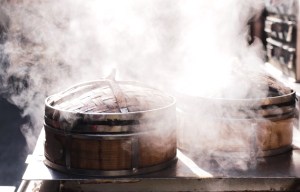
🍚 Why Patience Makes Perfect Grains Rice, quinoa, couscous—grains aren’t finished when the timer dings. Their last stage is off the heat, under a lid. This quiet ritual is what separates gummy mush from fluffy perfection. 🍚 Steam, Don’t Scream: The Post-Cook Grain Ritual By The Editorial Team at Home Chefs United NewswireSeptember 25, 2025

Taste Early, Taste Often: The Golden Rule of Flavor Control
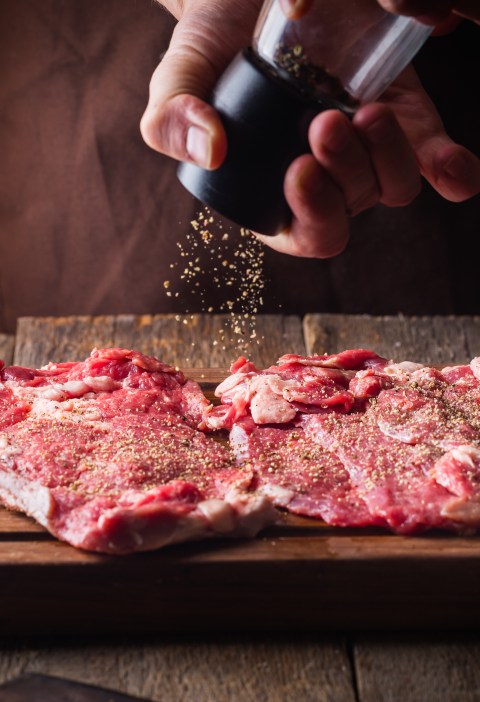
👅 The Rule Every Chef Lives By Great cooking isn’t about following instructions word-for-word—it’s about adjustments. The only way to know what a dish needs is to taste along the way. Chefs swear by this habit, and it’s the difference between food that’s fine and food that’s unforgettable. 👅 Taste Early, Taste Often: The Golden
Room Temperature Rules: The Secret to Better Baking and Searing
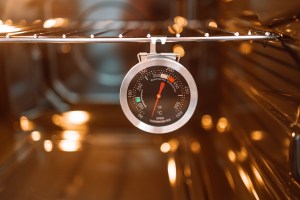
. 🧈 Why Temperature Changes Everything From cookies that bake evenly to steaks that sear with confidence, starting at room temperature is the simplest rule that separates home cooks from professionals. It’s not fussy—it’s science. 🧈 Room Temperature Rules: The Secret to Better Baking and Searing By The Editorial Team at Home Chefs United NewswireSeptember

How to Read a Recipe Like a Pro (Before You Cook)
🥕 Stop Surprises Before They Start Most cooking disasters don’t come from bad pans or weak seasoning—they come from us jumping into a recipe blind. Pros read recipes like pilots scan flight plans. Here’s how to do the same at home. 🥕 The Power of Mise en Place By The Editorial Team at Home Chefs

The Power of Mise en Place: Why Chefs Swear by It
🥕 The Secret Weapon Behind Every Great Kitchen Mise en place—“everything in its place”—isn’t just chef lingo. It’s a mindset. When your kitchen is organized before you turn on the stove, cooking stops being stressful and starts being enjoyable. 🥕 The Power of Mise en Place By The Editorial Team at Home Chefs United NewswireSeptember

Pantry Confessions: What’s Lurking Behind the Door
🥫 What Your Pantry Really Says About You Your pantry isn’t just food storage—it’s a personality test. From quinoa you never cooked to the hot sauces you bragged about but never touched, every item tells a story. 🥣 Your pantry is less about what you eat and more about what you intend to eat. By
You must be logged in to post a comment.