🧈 Room Temperature Rules: The Secret to Better Baking and Searing
By The Editorial Team at Home Chefs United Newswire
September 25, 2025
Cold ingredients sabotage texture, flavor, and timing. Letting them rest before use allows proteins to relax and fats to behave properly. Here’s why room temperature matters—and when it’s a game-changing rule.
📖 Recipes Aren’t Instructions—They’re Maps
Most home cooks treat recipes like IKEA manuals: skim the steps, hope for the best, and pray the result looks vaguely like the photo. But professionals know recipes aren’t just instructions—they’re maps. And like any map, how you read it determines where you end up.
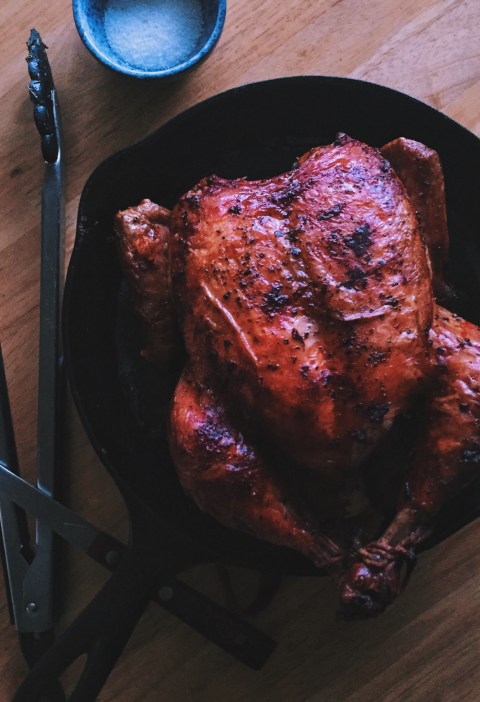
Take this trap:
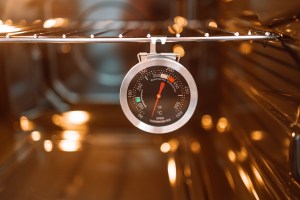
If you skim, you’re heating an oven for nothing. By the time the chicken’s ready, your oven’s been running for two hours. Reading ahead exposes the potholes before you hit them.
🥘 The Hidden Traps You’ll Miss If You Skim
Recipes often bury crucial details in plain sight. Watch for these:
“Meanwhile” moments: If a recipe tells you to “simmer sauce while chopping vegetables,” that’s multitasking you may not be ready for. Spot it early and prep first.
Overnight rests: Breads, marinades, custards—all love to sneak “chill overnight” into step 3. If you’re starting at 6 p.m., dinner’s already tomorrow.
Ambiguous times: “Cook until done” or “bake until golden” are chef-speak for “you should know what that looks like.” Read carefully and research what “done” really means.
Ingredient traps: “1 cup chopped nuts” isn’t the same as “1 cup nuts, chopped.” That one word changes the volume and the result.
Chefs are trained to spot these landmines. Home cooks can learn the same habit.
👨🍳 How Pros Read Recipes (Before Cooking a Single Thing)
Professionals don’t glance; they analyze. Here’s their mental checklist:
Ingredient Audit: Do I own everything—and in the right form? A recipe calling for fresh dill can’t be faked with dried. Salted butter instead of unsalted can throw baking off.
Tool Check: Sheet pans, immersion blenders, thermometers—recipes assume you have them. If you don’t, you need a workaround before you start.
Timing Breakdown: Is “prep time: 15 minutes” realistic for someone who isn’t a knife ninja? Double it. Then compare to total time.
Spot Hidden Prep: Marinades, rises, resting periods—flag them before it’s too late.
Technique Forecast: Look for anything unfamiliar: braising, emulsifying, blind baking. If it’s new, research it now—not when the pan is smoking.
🍋 Why Reading Well Changes Everything
When you treat a recipe as a map, cooking changes:
You cook calmer. Instead of racing to chop onions while garlic burns, you’re always ahead.
You waste less. You’ll know before shopping whether you really need that $9 spice or if you can swap.
You nail timing. Dinner hits the table when you planned, not an hour later.
You get creative. Once you know the structure, you can riff with confidence.
Reading recipes is like scouting before a hike. The trail is easier when you know the terrain.
📖 Real-World Story: The Cake That Collapsed
A friend once attempted a three-layer chocolate cake for a birthday. She skimmed the recipe, saw “Prep time: 30 minutes,” and dove in. She missed:
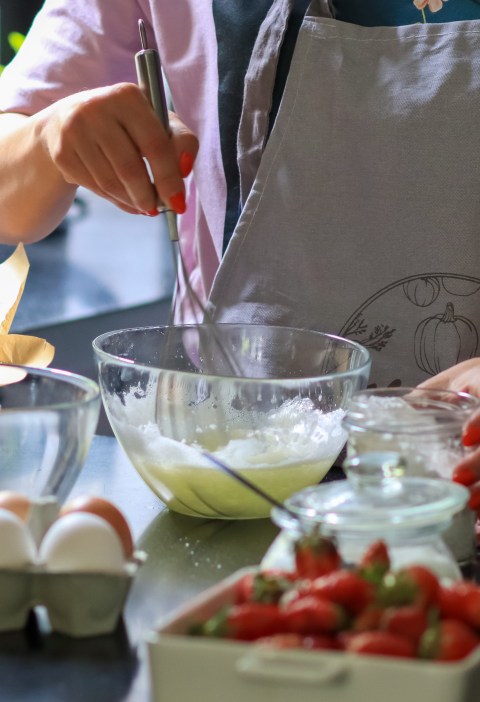
The eggs needed to be room temperature.
The layers needed to cool fully before frosting.
The ganache needed to set overnight.
The result? A collapsed, sliding cake and a birthday emergency. If she’d read carefully, she would have baked a day earlier. Instead, she ended up with grocery-store cupcakes.
This happens to every cook at least once. Reading ahead is the cure.
🍷 Pro Tips for Smarter Recipe Reading
Build this ritual into your cooking life:
Read it twice. First pass: ingredients. Second pass: steps and timing.
Highlight danger zones. Underline words like “overnight,” “rest,” “meanwhile,” and “cool completely.”
Do a dry run. Mentally rehearse each step. Imagine your hands, your tools, your timing.
Prep your kitchen. Gather ingredients and tools in one spot. Mise en place starts with reading.
Adjust for reality. Double prep times if you’re new. Add buffer for baking—ovens are liars.
🥖 Reading Between the Lines
Here’s the chef’s secret: recipes don’t tell the whole truth. They assume knowledge. A line like “sauté until fragrant” means 30 seconds for garlic, not 3 minutes. “Cook until done” means hitting an internal temperature, not guessing.
To read between the lines:
Look up techniques you don’t know.
Watch a quick video of the dish.
Trust your senses more than the stopwatch.
Recipes are guides, not commandments. Reading well means knowing when to follow—and when to improvise.
😂 The Takeaway
Recipes aren’t just instructions to follow—they’re strategies to understand. Skimming is a gamble; reading deeply is a guarantee. When you start decoding recipes like a pro, cooking shifts from reactive to proactive. You’re not scrambling to keep up—you’re leading the dish from start to finish.
Challenge: Tonight, take a recipe you’ve made before. Read it again like a contract. Circle every hidden step. Then cook it with your new eyes. Notice how much smoother it feels when you already know the terrain.









You must be logged in to post a comment.