Spice Storage 101: Keeping Your Seasonings Fresh and Flavorful

Flavor Ritual

Spice Storage 101: Keeping Your Seasonings Fresh and Flavorful
🏠 Introduction: Guardians of Taste

Spices are the unsung heroes of your kitchen—tiny guardians of flavor that can turn a bland dish into a vibrant masterpiece. But if you treat them poorly, they’ll lose their magic long before their time. Learning to store spices properly isn’t glamorous, but it’s the secret behind every bold, aromatic meal you love.


🚫

Enemies of Flavor: Air, Light and Heat

  • Oxygen – Exposure to air causes essential oils in spices to oxidize. Oxidation alters chemical compounds, dulling their aroma and taste over time. This process is especially quick with ground spices because their larger surface area means more contact with oxygen. Keeping lids tightly sealed after each use minimizes this damage. Consider transferring spices into airtight containers if they come in flimsy packaging.

  • Light – Sunlight and even strong kitchen lighting can degrade the volatile compounds in spices. The ultraviolet rays break down the molecules responsible for flavor, leading to faded colors and flat tastes. Store spices in a dark cupboard or drawer to shield them from light. If you prefer countertop storage, choose opaque or tinted jars to block UV rays. Treat spices as you would fine tea or good olive oil: protect them from exposure.

  • Heat – High temperatures accelerate chemical reactions that break down flavor molecules. Placing spice jars above your stove or near the oven might be convenient, but the heat will gradually bake out their potency. Even ambient warmth from appliances can shorten a spice’s lifespan. Instead, locate your spice rack away from heat sources. A cool pantry or drawer preserves the delicate oils that make spices sing.

🧴 Choosing the Right Containers

  • Material Matters – Glass and metal provide the best protection for spices, as they don’t absorb aromas or leach chemicals. Plastic containers can sometimes pick up odors and may not seal as tightly, leading to faster flavor loss. Investing in a uniform set of glass jars improves both aesthetics and preservation. Look for jars with wide openings that allow easy scooping and cleaning. Avoid reusing old bottles without thorough washing to prevent cross‑contamination of flavors.

  • Sealing Strength – The seal on your spice jar is your first line of defense against moisture and air. Silicone or rubber gaskets create tight closures that keep volatile oils from escaping. Some jars have flip‑top lids with built‑in gaskets for convenience. Regularly check that lids close securely, and replace any that have cracked or lost elasticity. Even a small gap can let in humidity and air, spoiling spices prematurely.

  • Size Sense – Small containers are better for spices you use infrequently. Spices lose potency once the container is opened, so buying large quantities you won’t finish quickly can be wasteful. Opt for smaller jars and refill from bulk bags as needed. Conversely, keep larger jars for staples like salt and pepper that you reach for daily. Matching container sizes to your usage habits helps maintain freshness and saves space.

📦 Placement Matters: Finding the Perfect Spot

  • Away from Heat Sources – Storing spices right above your stove might seem convenient, but rising heat and steam will degrade them. Constant temperature fluctuations accelerate flavor loss and may cause condensation inside jars. Choose a cabinet or drawer away from ovens and dishwashers instead. This simple relocation can dramatically extend the life of your seasonings.

  • Cool and Dark – A pantry, closet or drawer keeps spices safe from light and heat. These areas maintain consistent, moderate temperatures that slow chemical breakdown. If you have a windowed kitchen, avoid glass-front cabinets for spices. Even indirect light can cause subtle yet steady flavor deterioration over months. Darkness preserves color and aroma longer than any other single factor.

  • Accessible Arrangement – Convenient access encourages frequent use while maintaining organization. A shallow drawer with a tiered insert allows you to see labels at a glance and reduces rummaging. Alternatively, a pull‑out spice rack in a cabinet can keep jars upright and visible. Proper placement isn’t just about preservation—it also makes cooking more enjoyable and efficient.

🧪 Testing Freshness

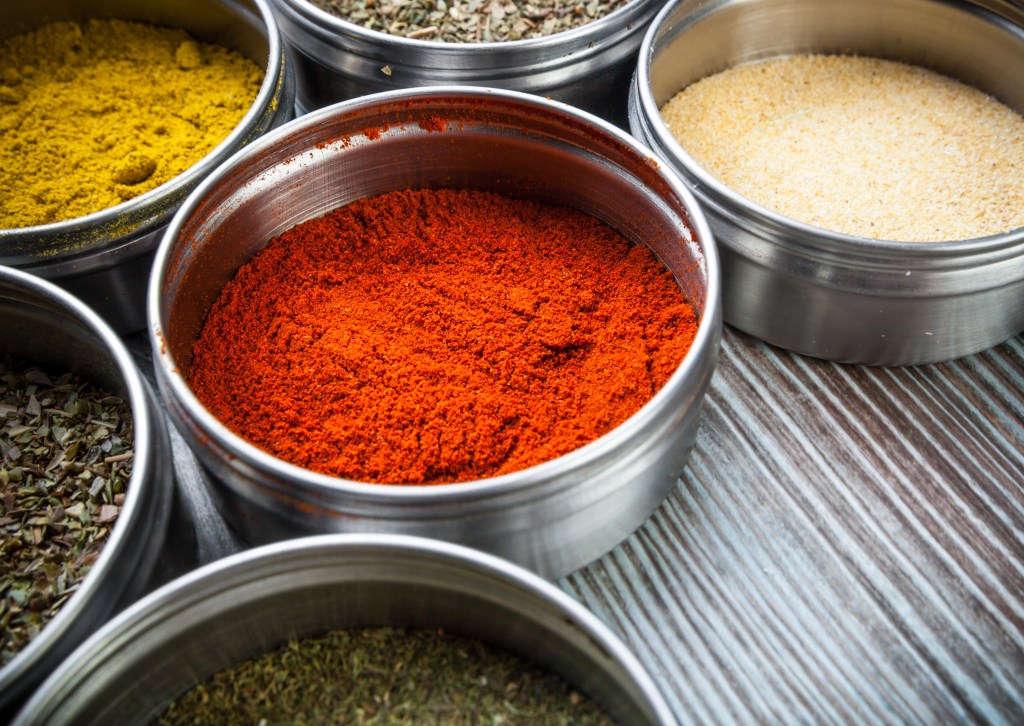
  • Visual Clues – Vibrant color often indicates a spice’s life. Bright red paprika or deep golden turmeric usually signals freshness, whereas faded hues suggest oxidation and age. However, some spices naturally have muted colors, so compare to a recently purchased version if you’re unsure. Keep in mind that color alone isn’t definitive, but it provides an excellent first impression of quality.

  • Aroma Assessment – Crush or rub a small amount of spice between your fingers to release its essential oils. Fresh spices should produce a strong, distinctive scent. If you barely detect any aroma, it’s time to replenish. For whole spices like cumin or fennel seeds, a quick toast in a dry pan can awaken their fragrance for testing. Trust your nose—if a spice smells like dust or cardboard, it’s past its prime.

  • Taste Test – Dip a moistened fingertip into the spice and touch it to your tongue. Spices should deliver immediate and assertive flavor. A bland or one‑dimensional taste means the volatile compounds have dissipated. Remember to taste only a small amount—strong spices like cayenne or black pepper can be intense. If the spice fails to impress your palate, replace it to maintain the integrity of your dishes.

📝 Label, Date and Rotate

  • Clear Labeling – Identifying spices quickly prevents mistakes when cooking and helps track what needs replacing. Use removable labels with the spice name and purchase or fill date. If you transfer spices to uniform jars, labeling becomes essential to avoid confusing similar colors, like chili powder and paprika. A well‑labeled spice collection saves time and reduces waste in the kitchen.

  • Tracking Freshness – Marking purchase or grind dates allows you to monitor how long spices have been open. Whole spices can last a year or more, while ground spices are best used within six months. Setting reminders on your phone or calendar to check and replace aging spices keeps your collection current. Rotating jars so older spices move to the front ensures they’re used before losing flavor.

  • Organized Rotation – Adopting a “first in, first out” system for spices helps maintain freshness. When you add new spices, place them behind older ones to encourage use of the oldest stock first. If you buy spices in bulk, store the remainder in airtight bags in the freezer and refill jars as needed. Consistent rotation minimizes waste and guarantees that your seasoning blend always hits the mark.

🛒 Buying Smart

  • Bulk and Bins – Purchasing spices from bulk bins or ethnic markets often yields fresher product at a fraction of the cost compared to supermarket jars. Bulk sections allow you to buy exactly the amount you need, reducing waste and ensuring you use up your spices before they go stale. Bring your own containers or use provided bags, label them clearly, and transfer to airtight jars at home. Consider exploring multiple stores to compare quality and price.

  • Whole vs. Ground – Whole spices retain their volatile oils far longer than pre‑ground powders. Investing in a small coffee grinder or mortar and pestle allows you to grind spices as needed, unlocking maximum fragrance. Pre‑ground spices are convenient but should be purchased in smaller amounts and replaced more frequently. When building your spice rack, start with whole versions of peppercorns, cumin and coriander—you’ll taste the difference.

  • Core Collection – Focus on a handful of versatile spices before expanding your selection. Cumin, coriander, paprika, turmeric and chili flakes offer a broad flavor spectrum suitable for many cuisines. Once you’ve mastered these, branch out into more specialized spices. Building your collection gradually ensures you learn each spice’s nuances and avoid accumulating jars that sit unused.

🎨 Creative Storage Solutions

  • Drawer Systems – Investing in a tiered drawer insert keeps jars visible and organized. Each spice rests at a slight angle, allowing you to read labels without digging. Drawers also protect spices from light and heat while keeping them within reach. Consider lining the drawer with non‑slip material to prevent jars from sliding when opened.

  • Magnetic Racks – Magnetic strips or tins mounted to the inside of a cabinet door or on a kitchen backsplash create vertical storage. This setup frees up counter and drawer space while keeping spices accessible. Make sure the magnets are strong enough to hold full jars and that the lids seal tightly. Magnetic storage also adds an industrial‑chic look to your kitchen.

  • Repurposed Jars – Upcycle glass condiment jars by washing and drying them thoroughly, then using them for spices. They’re often the perfect size and come with decent seals. Removing labels and applying your own gives them a uniform appearance. Repurposing not only saves money but also reduces waste—an eco‑friendly choice for the conscious cook.

🔁 Reviving Tired Spices

  • Dry Toasting – Heating whole or ground spices in a dry skillet over medium heat can rejuvenate faded flavors. The heat coaxes dormant essential oils to the surface, releasing aromas that were trapped. Toast just until fragrant—overcooking can burn the spices. Once toasted, grind whole spices immediately for use, and store any leftovers in airtight containers.

  • Infusing – Even if a spice has lost its punch for direct seasoning, you can still extract some flavor by infusing it into oil or vinegar. Gently warm the spice with oil, let it steep, and strain. Use the infused oil to drizzle over vegetables, pasta or bread. Infused vinegars make excellent bases for dressings or marinades, extending the spice’s life in a new form.

  • Flavor Blends – Combine weaker spices into custom blends where they can still contribute background notes. For example, incorporate faded cumin and coriander into a larger curry powder mix. By pairing them with fresher, stronger spices, you create a balanced seasoning that minimizes waste. Use these blends in rubs, stews or soups where layered flavors meld over long cooking times.

💡 Bonus Tip: Make It a Ritual

  • Regular Audits – Set a reminder every three months to review your spice collection. During this time, discard anything that smells dull or has lost its color. Wipe down jars and shelves to remove dust and spills. This routine keeps your kitchen clean and your spices at their peak. Over time, it becomes a satisfying ritual that signals the start of a new cooking season.

  • Recipe Inspiration – Pair your audits with a plan to use up spices nearing their end. Look up recipes that feature those spices prominently—perhaps a Moroccan tagine for a nearly empty jar of cumin or a chai blend for cardamom pods. Intentionally cooking with what you have prevents waste and sparks creativity. Invite friends over for a spice‑themed meal and share your culinary discoveries.

  • Educational Moments – Use your spice care routine as an opportunity to learn. Research the origin of a spice you’re refreshing or watch a video on how it’s harvested. Understanding the journey from farm to jar deepens appreciation and may inspire new dishes. Sharing these stories with family or dinner guests adds richness to the meals you prepare.

📝 Closing Reflection

Taking care of spices is an act of respect for flavor, culture and the people who grow these precious ingredients. By protecting them from air, light and heat, choosing appropriate containers and practicing regular audits, you ensure your meals are always bright and aromatic. A well‑tended spice rack doesn’t just enhance cooking—it reflects a cook’s dedication to quality and creativity. With mindful storage, your spices will reward you with vibrant dishes and a deeper connection to the food you love.

Essential Cooking Techniques
Chef Sagittarius

Steam, Don’t Scream: The Post-Cook Grain Ritual

🍚 Why Patience Makes Perfect Grains Rice, quinoa, couscous—grains aren’t finished when the timer dings. Their last stage is off the heat, under a lid. This quiet ritual is what separates gummy mush from fluffy perfection. 🍚 Steam, Don’t Scream: The Post-Cook Grain Ritual By The Editorial Team at Home Chefs United NewswireSeptember 25, 2025
Read More »
Essential Cooking Techniques
Chef Sagittarius

Taste Early, Taste Often: The Golden Rule of Flavor Control

👅 The Rule Every Chef Lives By Great cooking isn’t about following instructions word-for-word—it’s about adjustments. The only way to know what a dish needs is to taste along the way. Chefs swear by this habit, and it’s the difference between food that’s fine and food that’s unforgettable. 👅 Taste Early, Taste Often: The Golden
Read More »
Essential Cooking Techniques
Chef Sagittarius

Room Temperature Rules: The Secret to Better Baking and Searing

. 🧈 Why Temperature Changes Everything From cookies that bake evenly to steaks that sear with confidence, starting at room temperature is the simplest rule that separates home cooks from professionals. It’s not fussy—it’s science. 🧈 Room Temperature Rules: The Secret to Better Baking and Searing By The Editorial Team at Home Chefs United NewswireSeptember

Read More »
Essential Cooking Techniques
Chef Sagittarius

How to Read a Recipe Like a Pro (Before You Cook)

🥕 Stop Surprises Before They Start Most cooking disasters don’t come from bad pans or weak seasoning—they come from us jumping into a recipe blind. Pros read recipes like pilots scan flight plans. Here’s how to do the same at home. 🥕 The Power of Mise en Place By The Editorial Team at Home Chefs

Read More »
Essential Cooking Techniques
Chef Sagittarius

The Power of Mise en Place: Why Chefs Swear by It

🥕 The Secret Weapon Behind Every Great Kitchen Mise en place—“everything in its place”—isn’t just chef lingo. It’s a mindset. When your kitchen is organized before you turn on the stove, cooking stops being stressful and starts being enjoyable. 🥕 The Power of Mise en Place By The Editorial Team at Home Chefs United NewswireSeptember

Read More »
Kitchen Confessional
Chef Sagittarius

Pantry Confessions: What’s Lurking Behind the Door

🥫 What Your Pantry Really Says About You Your pantry isn’t just food storage—it’s a personality test. From quinoa you never cooked to the hot sauces you bragged about but never touched, every item tells a story. 🥣 Your pantry is less about what you eat and more about what you intend to eat. By
Read More »
x

Lost Password

Discover more from Home Chefs United

Subscribe now to keep reading and get access to the full archive.

Continue reading