⚠️ Introduction: Beyond the Burn
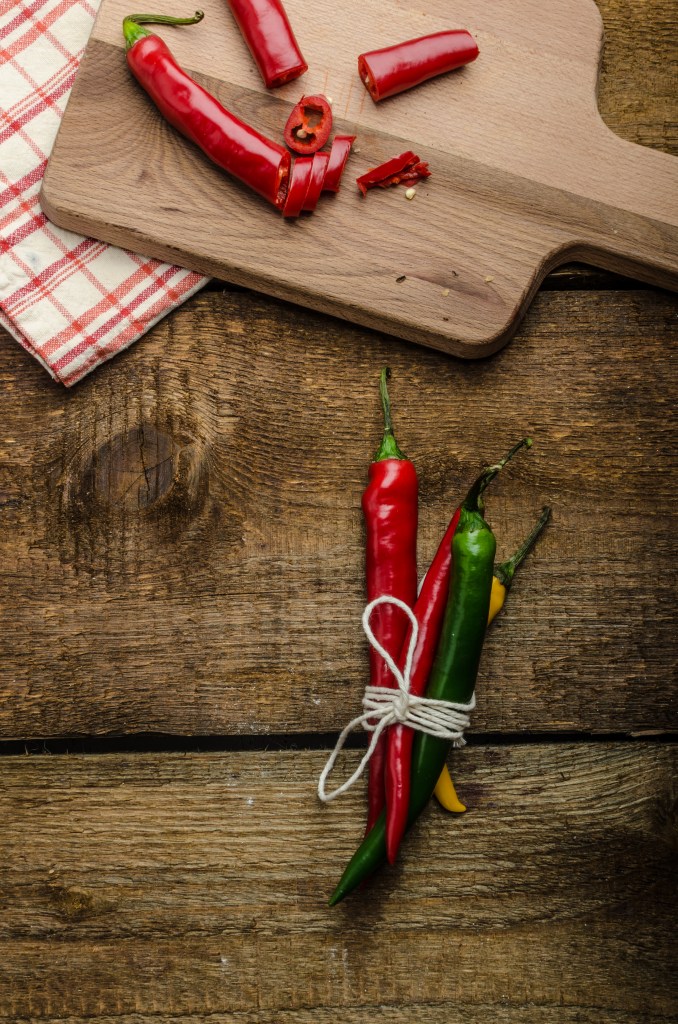
Chili peppers deliver a thrill that’s equal parts pleasure and pain. They bring heat to dishes, but they also contribute flavor, aroma and cultural significance. To cook confidently with chilies, understanding their chemistry, varieties and handling is essential. This knowledge lets you balance heat with flavor, avoid culinary mishaps and harness chilies’ potential for health and complexity. Dive into the science of heat and learn how to choose, prepare and enjoy chilies like a pro.
🔬 Decoding the Scoville Scale
Measuring Heat – The Scoville scale quantifies a chili’s heat by measuring the concentration of capsaicin, the compound responsible for the burning sensation. Developed by Wilbur Scoville in 1912, the test initially involved diluting chili extract in sugar water and having tasters detect the heat. Today, high-performance liquid chromatography provides more accurate readings. The higher the Scoville Heat Units (SHU), the hotter the pepper. Understanding SHU values helps you select chilies appropriate for your dish.
Varieties by Heat Level – Mild peppers like bell peppers have 0 SHU, offering sweetness without any burn. Jalapeños (2,500–8,000 SHU) provide moderate heat suitable for salsas and nachos. Serranos and Thai chilies (10,000–50,000 SHU) deliver significant spice for stir-fries and curries. Habaneros and Scotch bonnets (100,000–350,000 SHU) bring intense heat with fruity notes. Super-hot varieties like Ghost peppers and Carolina Reapers exceed 1 million SHU, requiring caution. Choose peppers by heat and flavor profile.
Subjective Sensation – Scoville ratings are guides; individual sensitivity to capsaicin varies. Genetics, tolerance and familiarity affect how hot a pepper tastes. Capsaicin binds to heat receptors (TRPV1) on the tongue, triggering a pain response. Repeated exposure can build tolerance, reducing perceived heat. Cultural background influences preferences—some cultures embrace fiery foods, while others favor milder spice. Listen to your palate and adjust accordingly.
🌱 Forms and Culinary Uses of Chilies
Fresh Chilies – Fresh peppers offer crisp texture and bright flavor. Jalapeños, serranos and fresnos add heat to salsas, salads and pickles. Thinly sliced Thai bird’s eye chilies bring zing to stir-fries and noodle dishes. Larger peppers like poblanos and Anaheim chilies are ideal for roasting and stuffing. For controlled heat, remove seeds and pith, where capsaicin concentrates. Fresh chilies also provide vitamins A and C and antioxidants.
Dried Chilies – Drying concentrates flavor, making chilies smoky, earthy and sometimes sweeter. Ancho, guajillo and pasilla peppers form the holy trinity of Mexican mole sauces. Soak dried chilies in hot water to rehydrate, then blend into sauces. Toast dried chilies briefly in a dry pan to awaken their aroma. Crushed chili flakes, like Aleppo or pul biber, sprinkle heat over pizzas, eggs and salads. Dried chilies allow year-round use and long storage.
Smoked Chilies – Smoking infuses chilies with a deep, robust flavor. Chipotle peppers are smoked red jalapeños that add earthy heat to stews, beans and barbecue sauces. Smoked paprika, made from smoked, dried peppers, provides color and smokiness without intense heat. Use smoked chilies sparingly; their powerful aroma can dominate. Combine with sweet ingredients like honey or tomato to balance bitterness. Smoked chilies shine in marinades, rubs and sauces.
.
🧬 Capsaicin: The Chemistry of Heat
Capsaicin Compound – Capsaicin is an alkaloid that binds to the same receptors that detect physical heat, tricking the brain into feeling warmth or pain. It’s concentrated in the white membranes and seeds of peppers. The compound is hydrophobic, meaning it doesn’t dissolve in water; that’s why water doesn’t quell chili burn. Capsaicin has antimicrobial properties, which may explain why spicy foods are common in hot climates where food spoils quickly. In moderate amounts, it stimulates circulation and metabolism.
Health Effects – Capsaicin may aid weight management by increasing metabolic rate and reducing appetite. It stimulates the release of endorphins, producing a mild euphoria—a “runner’s high” for the palate. Topical creams containing capsaicin relieve pain by desensitizing nerve endings, effective for arthritis and neuropathy. Preliminary research suggests capsaicin might have anticancer properties by inducing apoptosis (cell death) in certain cancer cells. As with all compounds, moderation is key; excessive consumption can irritate the digestive tract.
Balancing Heat – Dairy products like milk, yogurt and cheese contain casein, a protein that binds capsaicin and removes it from receptors, easing the burn. Sugars and acids also help tame heat by distracting the palate. High-fat foods coat the tongue, reducing capsaicin’s impact. When cooking with chilies, balance their heat with sweet (honey, sugar), sour (lime, vinegar) and fat (coconut milk, butter) components. This harmony enhances the eating experience and makes spicy dishes more approachable.
🤲 Handling and Safety Tips
Glove Up – Capsaicin can cause burning sensations on skin and eyes. Wear disposable gloves when handling hot peppers, especially super-hots. Avoid touching your face, particularly your eyes and nose. If you do get chili oils on your skin, rub with vegetable oil or alcohol, then wash with soap and water. Water alone won’t remove capsaicin effectively. Prevention is better than cure.
Ventilation & Avoiding Fumes – Chilies emit vapors when chopped or cooked, particularly when dry-roasting or frying. Work in a well-ventilated area or open windows to dissipate fumes. Standing directly over a smoking pan can irritate your throat and eyes. Use exhaust fans or step away briefly when toasting large quantities of chilies. Respect the pepper—its vapors can be potent.
Seed & Pith Removal – Removing seeds and pith reduces heat significantly. Slice the chili lengthwise and scrape out the inner membranes with a knife or spoon. For milder dishes, rinse peppers after de-seeding to remove residual capsaicin. Keep in mind that small chilies often pack more punch than larger ones. When in doubt, taste a small piece to gauge heat before adding whole peppers to a dish.
🍳 Cooking Techniques for Chilies
Blooming in Oil – Heating chopped or ground chilies briefly in oil releases their flavor and color. This technique mellows raw heat and helps chilies integrate into a dish. Sauté dried chili flakes, paste or powder in oil until fragrant—be careful not to burn, which causes bitterness. Add other ingredients like onions and garlic immediately after to halt the cooking. Blooming is common in Indian, Thai and Mexican cuisines.
Layering Heat – Build complexity by combining chilies of varying heat and types. Start with milder dried chilies for earthy depth, add medium fresh chilies for brightness, and finish with a dash of hot sauce for accent. Layering prevents monotony and allows you to adjust heat gradually. Taste often and remember that heat increases over time during cooking. A balanced dish should deliver warmth without numbing the palate.
Grilling and Roasting – Charring whole peppers over an open flame or under a broiler imparts smoky sweetness. Place peppers directly on the flame, turning until the skin blisters and blackens. Transfer to a bowl, cover and let steam for 10 minutes; then peel off the charred skin. Roasted peppers are milder and can be stuffed, puréed into sauces or sliced into salads. This method works well for poblanos, bell peppers and Anaheim chilies.
🎨 Choosing the Right Chili for Your Dish
Fruity & Sweet – Habanero, Scotch bonnet and Aji Amarillo chilies have fruity flavors. They pair well with tropical fruit salsas, citrus marinades and creamy sauces. Use them sparingly to avoid overwhelming other flavors. Their sweetness complements seafood, grilled chicken and Caribbean dishes. When making jerk seasoning, Scotch bonnets are essential.
Earthy & Smoky – Chipotle, pasilla and ancho chilies provide rich, smoky undertones. Use them in mole, chili con carne and barbecue sauces. They pair wonderfully with beans, beef and chocolate. Rehydrate and blend with garlic, onion and spices for a complex sauce. Combine with sweet ingredients like brown sugar to balance their bitterness.
Bright & Citrusy – Serranos, jalapeños and red fresnos offer fresh, sharp heat with grassy notes. Slice them thinly into ceviches, salads and pickles for crunch and zest. They shine in Mexican salsas and garnish pho or ramen. Use them raw or lightly cooked to preserve their brightness. Jalapeños stuffed with cheese and baked make a popular appetizer.
🧑🍳 Practical Applications and Recipes
Salsas & Hot Sauces – Blend fresh chilies with tomatoes, onions, cilantro and lime juice for a classic salsa. For hot sauce, ferment chopped chilies with salt water for a week, then blend and add vinegar. The fermentation develops complex flavors and reduces harshness. Customize by adding fruits like mango or pineapple for sweetness. Always sterilize bottles to extend shelf life.
Pickling Chilies – Slice jalapeños or serranos and pack them in jars with garlic, herbs and peppercorns. Cover with a hot brine of vinegar, water, salt and sugar. Let cool, seal and refrigerate. Pickled chilies add acidity and crunch to tacos, sandwiches and salads. They keep for months and mellow in heat over time. Add pickling spices like mustard seeds or coriander for extra flavor.
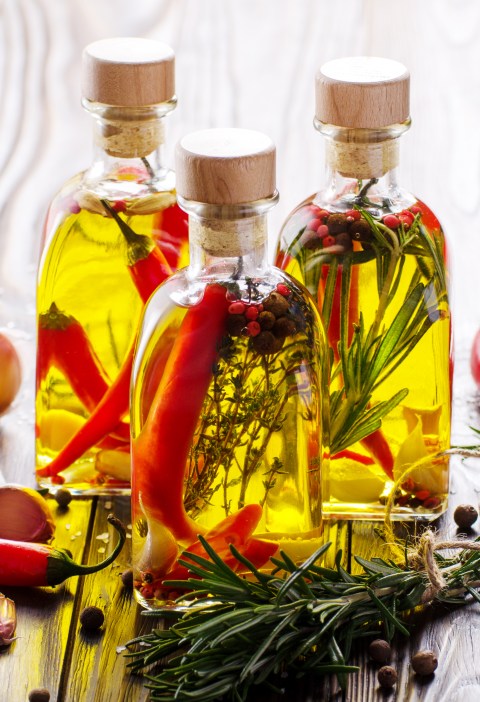
Chili‑Infused Oils & Honey – Heat neutral oil with crushed chilies, garlic and bay leaves, then strain into a sterilized bottle. Use chili oil to finish noodle dishes, pizzas or soups. For chili honey, simmer honey with chili flakes until flavors meld; cool and strain. Drizzle over fried chicken, cheese boards or roasted vegetables. These infusions bring controlled heat and depth to dishes without overwhelming them.
📝 Closing Reflection
Chilies are culinary treasures that bring more than just heat to the table. Understanding their Scoville ratings, flavor profiles and handling techniques empowers you to cook with confidence. From fresh and fruity to smoky and earthy, each chili has a unique personality waiting to enhance your dishes. Respect their fire, balance their burn with complementary flavors and explore their many forms. By mastering the science and art of chilies, you open the door to endless culinary adventures that excite the senses and warm the soul.

Steam, Don’t Scream: The Post-Cook Grain Ritual
🍚 Why Patience Makes Perfect Grains Rice, quinoa, couscous—grains aren’t finished when the timer dings. Their last stage is off the heat, under a lid. This quiet ritual is what separates gummy mush from fluffy perfection. 🍚 Steam, Don’t Scream: The Post-Cook Grain Ritual By The Editorial Team at Home Chefs United NewswireSeptember 25, 2025

Taste Early, Taste Often: The Golden Rule of Flavor Control
👅 The Rule Every Chef Lives By Great cooking isn’t about following instructions word-for-word—it’s about adjustments. The only way to know what a dish needs is to taste along the way. Chefs swear by this habit, and it’s the difference between food that’s fine and food that’s unforgettable. 👅 Taste Early, Taste Often: The Golden
Room Temperature Rules: The Secret to Better Baking and Searing
. 🧈 Why Temperature Changes Everything From cookies that bake evenly to steaks that sear with confidence, starting at room temperature is the simplest rule that separates home cooks from professionals. It’s not fussy—it’s science. 🧈 Room Temperature Rules: The Secret to Better Baking and Searing By The Editorial Team at Home Chefs United NewswireSeptember

How to Read a Recipe Like a Pro (Before You Cook)
🥕 Stop Surprises Before They Start Most cooking disasters don’t come from bad pans or weak seasoning—they come from us jumping into a recipe blind. Pros read recipes like pilots scan flight plans. Here’s how to do the same at home. 🥕 The Power of Mise en Place By The Editorial Team at Home Chefs

The Power of Mise en Place: Why Chefs Swear by It
🥕 The Secret Weapon Behind Every Great Kitchen Mise en place—“everything in its place”—isn’t just chef lingo. It’s a mindset. When your kitchen is organized before you turn on the stove, cooking stops being stressful and starts being enjoyable. 🥕 The Power of Mise en Place By The Editorial Team at Home Chefs United NewswireSeptember

Pantry Confessions: What’s Lurking Behind the Door
🥫 What Your Pantry Really Says About You Your pantry isn’t just food storage—it’s a personality test. From quinoa you never cooked to the hot sauces you bragged about but never touched, every item tells a story. 🥣 Your pantry is less about what you eat and more about what you intend to eat. By
You must be logged in to post a comment.