⚡ Introduction: The Dance of High Heat
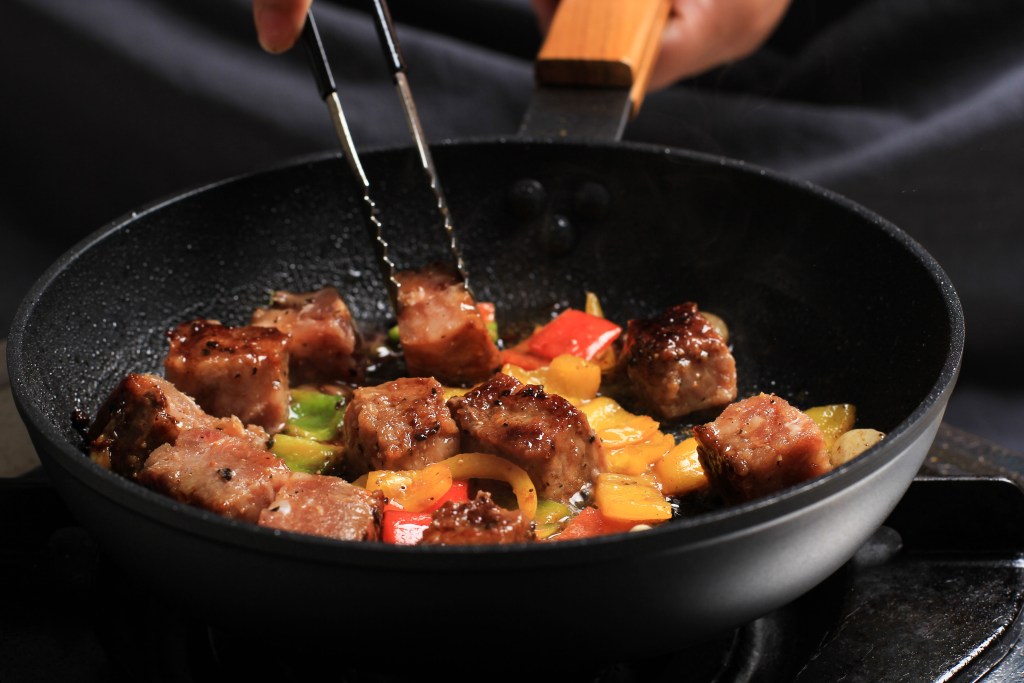
Stir‑frying is the culinary art of rapid cooking over intense heat. It preserves the crispness of vegetables and tenderness of meats while layering flavors with speed and precision. Originating in China, stir‑fry techniques have spread throughout Asia and beyond, adapting to local ingredients and tastes. Mastering these techniques empowers you to whip up meals in minutes without sacrificing depth. The key is preparation, timing and understanding how herbs and spices behave under high heat.
🔥 Tools and Heat Management
The Wok – Traditional stir‑fries are cooked in a carbon steel wok. Its curved shape facilitates even heating and easy tossing, preventing hot spots and sticking. A wok heats quickly and cools rapidly, giving you control over temperature. Seasoning the wok with oil creates a natural nonstick surface. A well‑seasoned wok becomes a cherished tool, improving with use over time.
High‑Heat Oils – Choose oils with high smoke points like peanut, grapeseed or sunflower oil. These oils withstand the intense heat without burning and impart neutral or nutty flavors. Avoid butter or olive oil, which burn at lower temperatures and produce acrid smoke. Heat the oil until it shimmers before adding aromatics. If the oil is too cool, ingredients will steam instead of sear.
Managing Wok Hei – Wok hei refers to the smoky, slightly charred flavor achieved by cooking over very high heat. To capture it, preheat the wok until wisps of smoke appear, add oil and then ingredients. Stir swiftly and keep food moving to prevent burning. Avoid overcrowding the wok; cook in batches if necessary. The brief contact with extreme heat creates complex aromas that define a great stir‑fry.
🧄 Building the Aromatic Base
Garlic – Thinly sliced or minced garlic quickly infuses the oil with flavor. Add it to the hot oil and sauté for only a few seconds to avoid burning. Burnt garlic tastes bitter and can ruin the dish. It’s best added at the beginning to anchor the flavor profile. Adjust the amount based on your taste; some dishes call for assertive garlic, while others require just a hint.
Ginger – Fresh ginger adds warmth and brightness. Julienne or mince it finely so it cooks quickly. Like garlic, ginger goes into the oil early, releasing its fragrance immediately. It complements meat and seafood, cutting through richness. Ginger’s spicy‑sweet character pairs well with soy sauce, sesame oil and rice wine. For a milder infusion, slice ginger into thin disks and remove before serving.
Scallions – Use both the white and green parts of scallions for different effects. The whites are sautéed early with garlic and ginger, adding sweetness and depth. The green tops are added at the end to preserve their color and fresh, oniony taste. Scallions also provide a visual pop of green, making dishes more appetizing. For stronger onion flavor, you can substitute shallots or leeks.
🌶️ Heat and Spice Choices
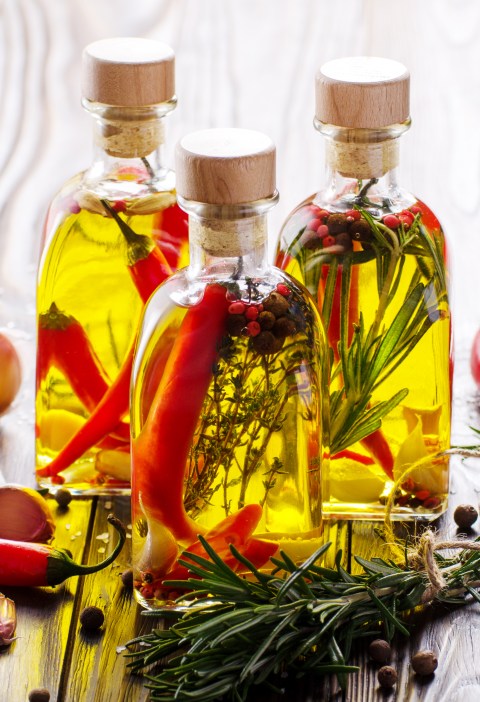
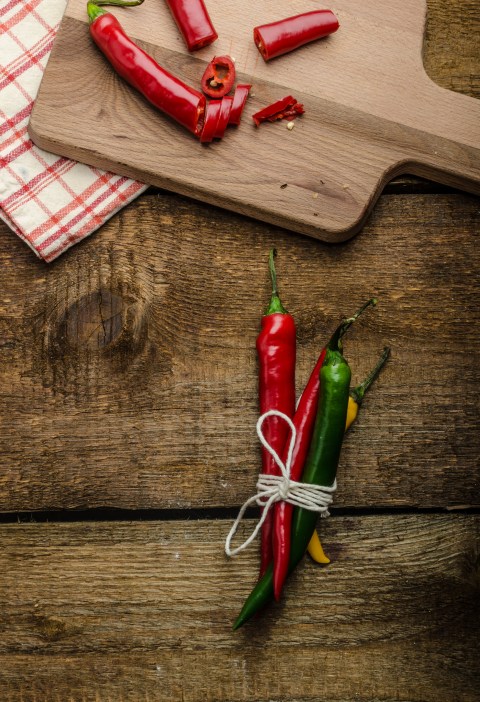
Whole Chilies – Dried chilies like Thai bird’s eye or Sichuan peppercorns infuse oil with heat and fragrance. Toast them briefly in the hot oil until aromatic, then remove or leave them in depending on desired spiciness. Sichuan peppercorns provide a numbing sensation, adding complexity beyond heat. Experiment with different types to find your preferred flavor and heat level. Handle chilies carefully; the oils can irritate skin and eyes.
Chili Pastes – Fermented and ground chili pastes like sambal oelek, gochujang and doubanjiang deliver concentrated flavor. They combine heat with umami, saltiness and sometimes sweetness. Add a spoonful to the wok after aromatics to cook off rawness. Adjust the quantity gradually—these pastes are potent. Balance their richness with vinegar or sugar in the final sauce. Store opened jars in the fridge to preserve their flavor.
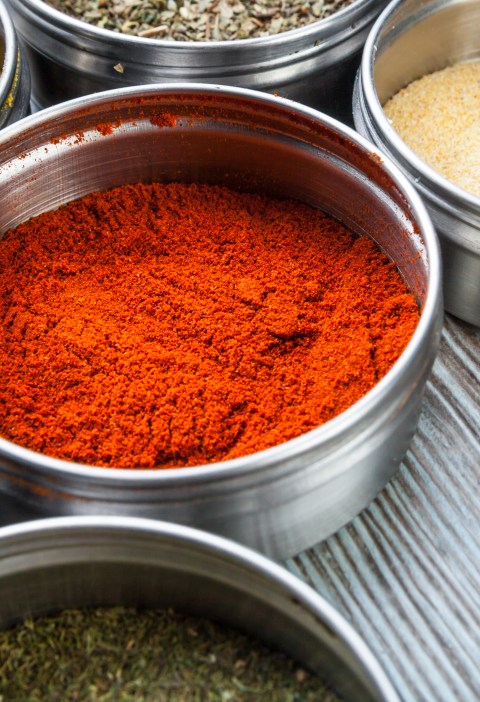
Five‑Spice & Blends – Chinese five‑spice powder combines star anise, cloves, Chinese cinnamon, Sichuan peppercorns and fennel seeds. It imparts a warm, sweet aroma ideal for meats like duck and pork. Sprinkle a small amount on proteins before cooking or stir it into sauces. Other blends like Thai seven‑spice or Japanese shichimi togarashi introduce citrus and sesame notes. Keep these blends on hand to vary your stir‑fry repertoire.
🥩 Preparing Proteins for Tenderness
Marinating – Brief marinades tenderize and season meat before stir‑frying. Combine soy sauce, Shaoxing wine, cornstarch and a little sugar. The soy sauce adds saltiness, wine tenderizes and cornstarch forms a protective coating that helps meat brown without drying. Marinate thinly sliced beef, pork or chicken for 15–30 minutes. Drain excess liquid before cooking to prevent steaming.
Velveting – This Chinese technique coats protein in egg white and cornstarch, then briefly poaches it in oil or water. Velveting creates a silky texture and locks in moisture. After poaching, drain and set the meat aside. Finish cooking in the stir‑fry with other ingredients. Velveting works well for chicken and seafood, producing restaurant‑quality tenderness at home.
Uniform Slicing – Cutting meat into uniform, bite‑sized pieces ensures even cooking. For beef and pork, slice against the grain to shorten muscle fibers and improve tenderness. Partially freezing the meat for 30 minutes helps achieve thin, even slices. For poultry, slice across the breast at a slight angle to increase surface area. Consistent sizing prevents overcooked bits and undercooked chunks.
🥦 Timing Vegetables for Crispness
Staggered Cooking – Add vegetables with different cooking times in sequence. Hard vegetables like carrots, broccoli stems and bell peppers go first. Softer vegetables like snap peas, mushrooms and zucchini follow. Leafy greens and aromatics like scallion tops and herbs are added at the end. Stir constantly to coat in sauce and ensure even cooking. The result is a mix of textures—tender yet crisp.
Blanching for Efficiency – For thick or tough vegetables, blanching speeds up stir‑frying. Quickly cook broccoli or green beans in boiling water until just tender, then shock in ice water to stop the cooking. Drain thoroughly before adding to the wok. This technique keeps vegetables vibrant and cuts down on cooking time. Blanching is especially helpful when stir‑frying large quantities.
Sauce Absorption – Vegetables absorb sauce differently depending on their moisture content. Mushrooms release liquid, diluting the sauce; balance them with cornstarch or reduce sauces more. Bamboo shoots and water chestnuts stay crunchy and don’t absorb much sauce, offering contrast. Adjust the amount of sauce based on the vegetables in your stir‑fry. Taste as you go to ensure the right seasoning level.
🥣 Building the Sauce
Balanced Components – A good stir‑fry sauce balances salty, sweet, sour and umami. Soy sauce provides saltiness and depth; oyster sauce adds sweetness and briny richness; rice vinegar or citrus supplies acidity; and sugar or honey rounds out the flavors. Add a splash of sesame oil for nuttiness and cornstarch to thicken. Mix the sauce ingredients in a bowl before cooking so it’s ready when needed.
Sauce Timing – Pour the sauce around the edges of the wok rather than directly onto the food. The heat from the wok’s sides helps the sauce reduce and thicken quickly. Stir immediately to coat all ingredients. Don’t add the sauce too early—vegetables should be nearly done, and proteins fully cooked. If the sauce thickens too much, add a little stock or water to adjust consistency.
Customizing Flavor – Tailor sauces to different cuisines by swapping components. For a Thai flavor, use fish sauce, palm sugar and lime juice. For a Korean influence, add gochujang and mirin. Incorporate hoisin sauce for a sweet–savory Chinese profile. Experiment with fresh herbs like Thai basil or cilantro added at the end. Once you master the basics, the possibilities are endless.
🌿 Finishing Touches and Garnishes
Fresh Herbs – Scatter chopped herbs like Thai basil, cilantro or mint over the dish just before serving. These herbs provide bright, fragrant top notes that contrast with the cooked ingredients. Tear herbs gently by hand to avoid bruising. Fresh herbs also add visual appeal, making your stir‑fry vibrant and enticing.
Crunchy Elements – Toasted sesame seeds, crushed peanuts or cashews and crispy shallots add texture. Sprinkle them on right before serving to maintain crunch. These elements offer a welcome contrast to tender meats and vegetables. Use flavored oils like chili crisp or scallion oil for extra layers of flavor and crunch. Garnishes elevate a simple stir‑fry into a restaurant‑worthy dish.
Acidity & Sweetness – A squeeze of lime or a drizzle of sweet chili sauce brightens the final dish. Adjusting acidity and sweetness balances strong soy and chili flavors. If a stir‑fry tastes flat, a splash of vinegar or a pinch of sugar can bring it to life. Taste the dish before plating and fine‑tune seasoning as needed. Your palate is the best judge.
🔁 Batch Cooking and Reheating
Cook in Batches – Avoid overcrowding the wok by cooking ingredients in batches. Overcrowding lowers the temperature, causing food to steam rather than sear. Cook proteins first, remove and set aside, then cook vegetables. Combine everything at the end with the sauce. This ensures each component cooks properly and retains its texture. Larger families or meal prep enthusiasts should scale recipes up accordingly.
Storing Leftovers – Stir‑fry leftovers keep well in the fridge for up to three days. Store in airtight containers, separating rice or noodles if possible to prevent sogginess. Reheat quickly in a hot pan or microwave, adding a splash of water or stock to loosen the sauce. Avoid overcooking during reheating to preserve texture. Stir‑fry ingredients may soften slightly, but flavors often deepen overnight.
Creative Repurposing – Transform leftover stir‑fry into fried rice by chopping ingredients smaller and stir‑frying with day‑old rice. Add a beaten egg, soy sauce and a handful of frozen peas for a new meal. Alternatively, use leftover stir‑fried meats and vegetables as a filling for wraps or omelets. Incorporating leftovers into different dishes reduces waste and keeps meals exciting.
📝 Closing Reflection
Stir‑frying is both an art and a science. With the right equipment, high heat and thoughtful preparation, you can create flavor bombs in mere minutes. Understanding how to build aromatics, layer heat and tailor sauces elevates stir‑fries from basic to extraordinary. These techniques are versatile—once mastered, they enable endless creativity across meats, vegetables and flavors. Celebrate the speed, freshness and intensity of stir‑frying by making it a regular ritual in your kitchen. Your palate—and your schedule—will thank you.
.

Steam, Don’t Scream: The Post-Cook Grain Ritual
🍚 Why Patience Makes Perfect Grains Rice, quinoa, couscous—grains aren’t finished when the timer dings. Their last stage is off the heat, under a lid. This quiet ritual is what separates gummy mush from fluffy perfection. 🍚 Steam, Don’t Scream: The Post-Cook Grain Ritual By The Editorial Team at Home Chefs United NewswireSeptember 25, 2025

Taste Early, Taste Often: The Golden Rule of Flavor Control
👅 The Rule Every Chef Lives By Great cooking isn’t about following instructions word-for-word—it’s about adjustments. The only way to know what a dish needs is to taste along the way. Chefs swear by this habit, and it’s the difference between food that’s fine and food that’s unforgettable. 👅 Taste Early, Taste Often: The Golden
Room Temperature Rules: The Secret to Better Baking and Searing
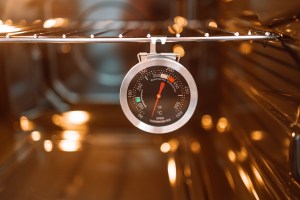
. 🧈 Why Temperature Changes Everything From cookies that bake evenly to steaks that sear with confidence, starting at room temperature is the simplest rule that separates home cooks from professionals. It’s not fussy—it’s science. 🧈 Room Temperature Rules: The Secret to Better Baking and Searing By The Editorial Team at Home Chefs United NewswireSeptember

How to Read a Recipe Like a Pro (Before You Cook)
🥕 Stop Surprises Before They Start Most cooking disasters don’t come from bad pans or weak seasoning—they come from us jumping into a recipe blind. Pros read recipes like pilots scan flight plans. Here’s how to do the same at home. 🥕 The Power of Mise en Place By The Editorial Team at Home Chefs

The Power of Mise en Place: Why Chefs Swear by It
🥕 The Secret Weapon Behind Every Great Kitchen Mise en place—“everything in its place”—isn’t just chef lingo. It’s a mindset. When your kitchen is organized before you turn on the stove, cooking stops being stressful and starts being enjoyable. 🥕 The Power of Mise en Place By The Editorial Team at Home Chefs United NewswireSeptember

Pantry Confessions: What’s Lurking Behind the Door
🥫 What Your Pantry Really Says About You Your pantry isn’t just food storage—it’s a personality test. From quinoa you never cooked to the hot sauces you bragged about but never touched, every item tells a story. 🥣 Your pantry is less about what you eat and more about what you intend to eat. By

You must be logged in to post a comment.